

Audio By Carbonatix
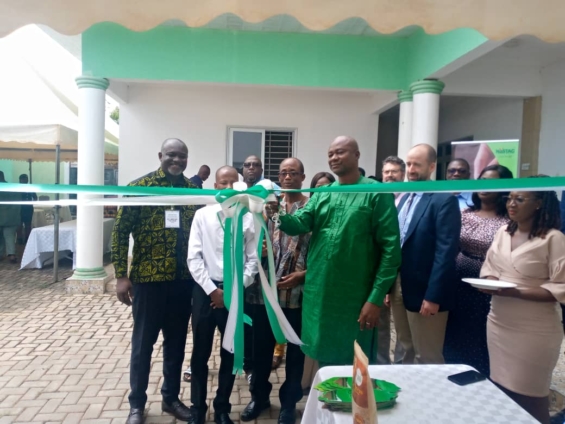
The Deputy Minister for Agriculture, Hardi Tufeiru, has indicated that certified seed use by farmers in the country has seen a significant increase following the introduction of the Planting for Food and Jobs programme.
He said about 40 percent of farmers now use improved seeds for farming.
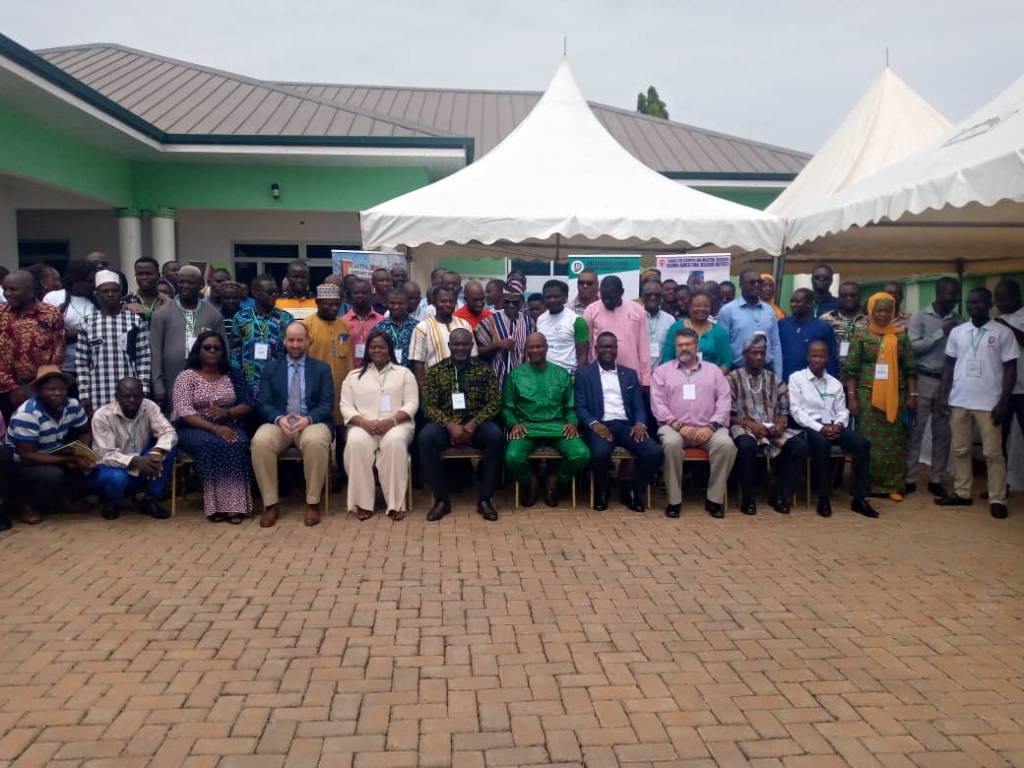
The Deputy Minister, who said this at the 4th National Seed Business and Networking Forum Seed Link 2023 in Tamale, said while this represents significant progress, there is a need for more farmers to adopt the practice.
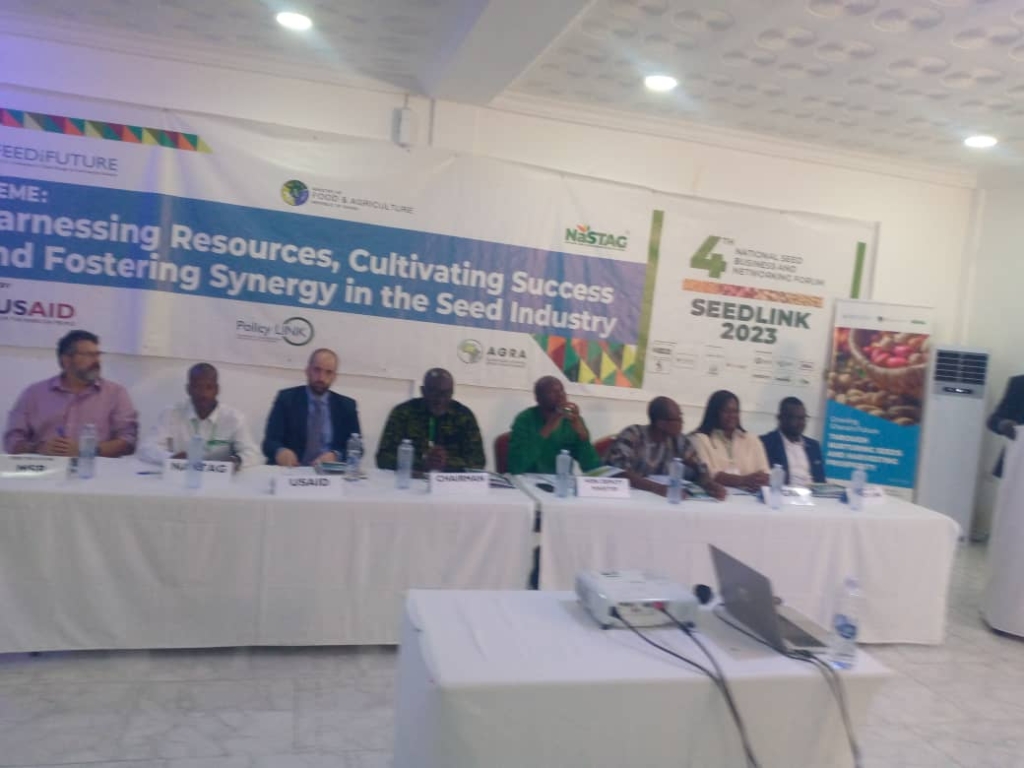
“From 2017 to 2022, we have seen a surge in the use and application of certified seed by farmers. We have seen that farmers have been advised and encouraged to use certified hybrid, open varieties of the certified seed in Ghana from less than 10 percent to now 40 percent. So you can see that a lot more farmers now see that if you use hybrid seed, your chances of productivity is higher than the traditional reuse seeds,” he said.
Mr Tuferu said Ghana in 2020 produced over 17,000 metric tons of certified seeds, adding that even though this success was achieved, government had to import maize seeds for planting because of the non-availability of maize seeds.
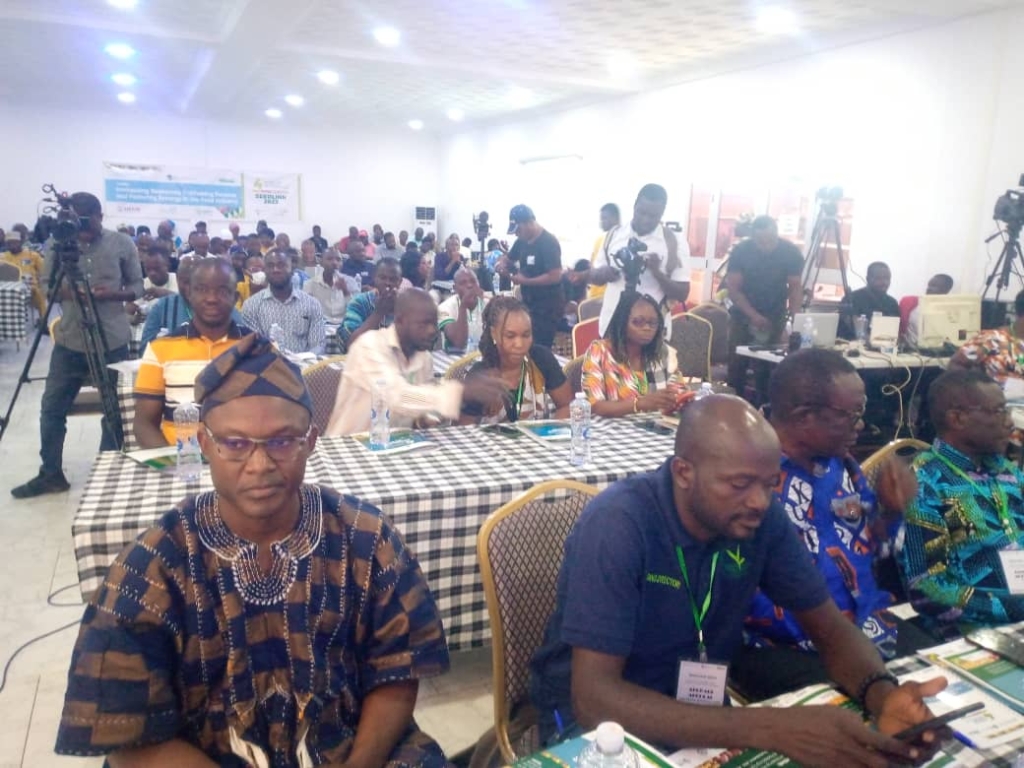
He therefore urged the seed producers to take advantage of the market and produce to meet the demand.
The President of the National Seed Trade Association of Ghana (NASTAG), Dr Amos Rutherford Azinu said the past few years have been nothing short of exceptional within Ghana's seed sector.
He said the country has witnessed an upsurge in the demand for certified high-quality seeds. Dr Azinu said farmers are in search of high-yield, resilient, pest-resistant seeds to enhance crop productivity.
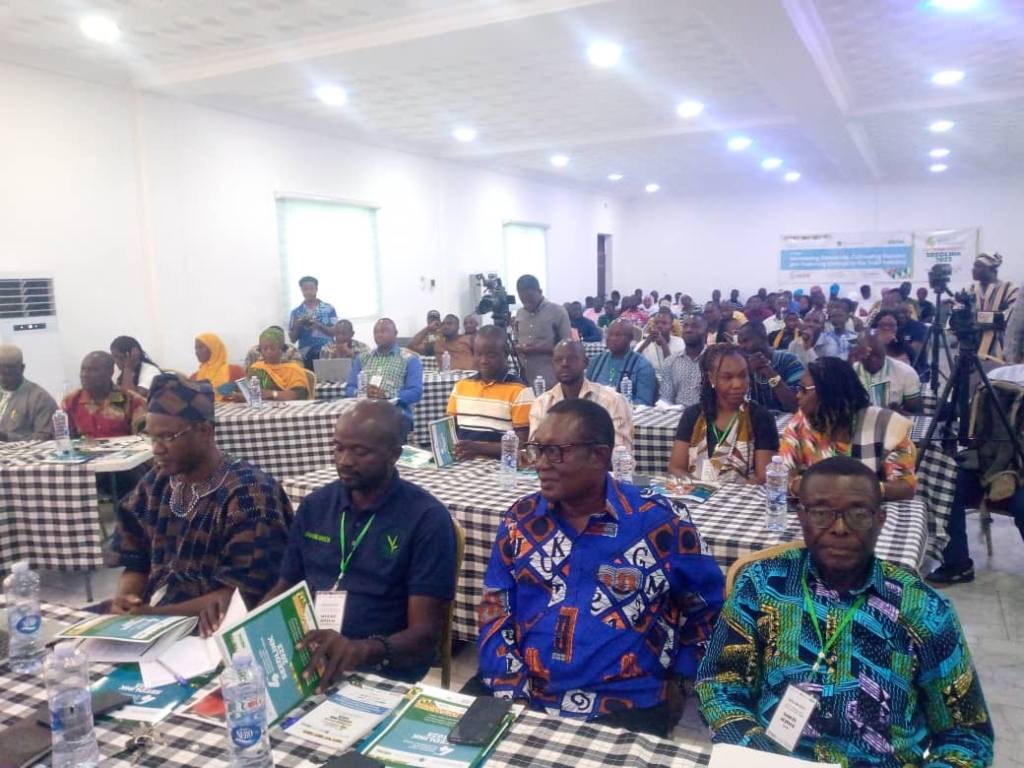
”The private sector has joined this endeavor, significantly boosting farmers’ access to quality seed.”
He stated that they have made notable strides in combating climate change by introducing different varieties of weather-resistant crops.
A seed producer and lecturer at the University for Development Studies, Dr Sanatu Mustaha Alidu outlined land acquisition, land preparation, equipment among others as challenges faced by female seed producers.
”It starts right from the acquisition of land, you would have to get a male in that same field to help you acquire the land. It is a well-known fact that if a woman gets to a community to meet the chief of that community to look for land, she must get a male to accompany her,” she said.
Dr Sanatu called for the roping in of more women in the sector to help increase the voices of women and also empower women.
Latest Stories
-
Hohoe flood: About 5,000 affected as NADMO begins emergency relief
15 seconds -
Why must I renew my vehicle’s registration number every 2 years?
3 minutes -
Parliamentary Privilege and the Limits of Personal Liberty: A study on the immunity of members of parliament from arrest in Ghana
4 minutes -
Kwabenya Court denies bail to six accused in alleged 3.9-tonne cocaine shipment
4 minutes -
Ghana opposes calls to abolish ICC, urges stronger action against crimes against humanity
11 minutes -
Cedi remains under pressure due to Christmas demand; going for GH¢11.90 at forex bureaus
13 minutes -
NDC opens nominations for 2026 regional executive elections on October 6
14 minutes -
Ghanaian nurses to receive higher pay, health insurance and rent allowance under new Saint Kitts and Nevis agreement
22 minutes -
JoyNews’ Emmanuel Adu Gyamfi named ‘Digital Tourism Icon of the Year’ in Ahafo Region
26 minutes -
Hurricane Polo makes landfall on Mexico’s Pacific coast
30 minutes -
US ban on Canadian alcohol and dairy comes into effect as trade war drags on
32 minutes -
GES orders SHS heads to refund unauthorised fees collected from parents
40 minutes -
AFCON 2027Q: ‘We don’t need to cry over spilled milk’ – Damba on Ghana injury concerns
44 minutes -
NDC communicator blames documentation, payroll validation for teachers’ promotion arrears delay
45 minutes -
2026 JoyNews Impact Maker Award winner brings clean water to Yoko Tsume after years of cattle dugout dependence
52 minutes