


Audio By Carbonatix
Ghana spent an estimated total of GH6.8 billion in rice importation from 2017 to 2020 to supplement local production.
The increasing consumption of rice in the country has necessitated a local initiative to satisfy the demand and reduce cost of rice importation.
In a bid to have Ghana produce adequate rice locally, the Crops Research Institute of the Council for Scientific and Industrial Research is educating farmers on techniques to increase rice yields.
Local rice production in Ghana increased to 950,000 metric tonnes in 2020, with an annual increase of 60kg per person rice consumption.
However, current rice production meets less than 40% of the consumption requirement in Ghana.
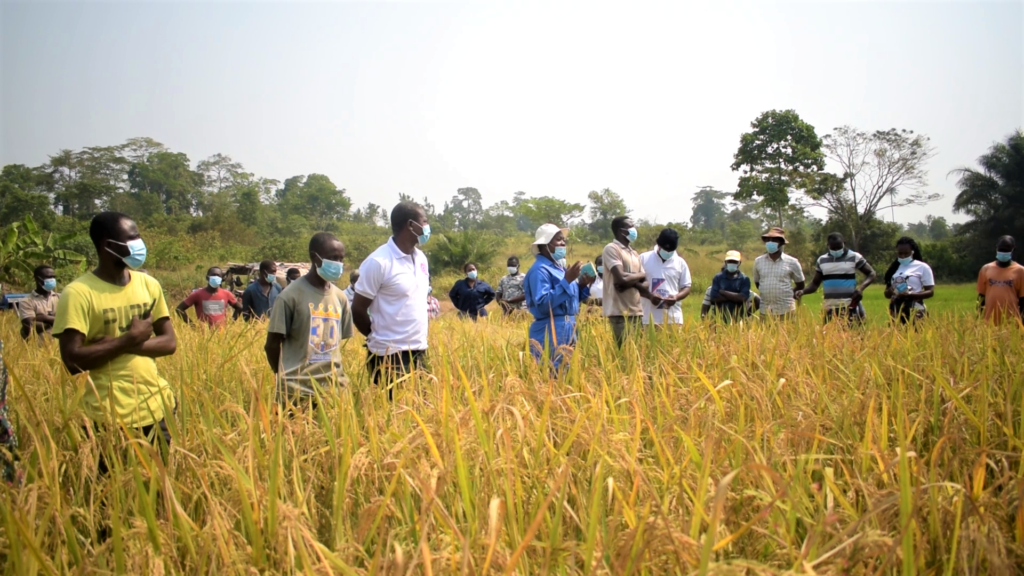
The Bekwai municipality, like many rice farming communities, suffers lower and nutritious rice yields.
According to Director of Agriculture at Bekwai, Emmanuel Mensah, prior to the invention of the researchers, farmers within the municipality have had to deal with weed infestation in their rice farms.
“During the regional liaison meeting, we reported the issue of the different types of weed that affect the cropping of rice.
“So, we reported the issue to the researchers and they came up with a solution. The researchers indicated they have to demonstrate to farmers, some techniques they could employ to curtail the infestation of weeds,” he said.
Rice demand in the country is rapidly growing at 5% per annum which would require commensurable production.
Some rice farmers at Asanso, a suburb of Bekwai, share their farming experience prior to their exposure to the new technologies.
Amina Mohammed and Issah Nunfam, have been working as rice farmers for close to ten years now. According to Amina, the introduced variety and farming practices are better than their traditional style.
“I’ve been working on this farm for years, but there was no improvement. I used to employ the broadcast style of rice cultivation. These new technologies have been really helpful,” added Issah Nunfam.
To reduce Ghana’s cost of importing rice, researchers from the Crops Research Institute introduced the farmers to new rice farming technologies and improved rice varieties.
William Lelabi Kota, who is the lead technical advisor, indicated the majority of the farmers lacked the skills for rice cultivation.
“The main problem they faced was land preparation for cultivation. They prepare their lands poorly. They don’t make water bonds around their farms, so water control on their fields is difficult.
He revealed “the farmers were introduced to how to make bonds, water canals to allow water in or out, nursery preparations and transplanting of the nursery.
Latest Stories
-
Ghana explores centre of excellence for hearing, communication and cochlear implant care
11 minutes -
Schizophrenia-related disorders lead mental health cases recorded in Ghana
33 minutes -
Dutch authorities enlist Ghana in hunt for fugitive drug lord Bolle Jos
57 minutes -
Ghana housing finance conference adopts communiqué to improve affordable housing access
5 hours -
Special Initiatives Minister urges Wa Technical Institute to enrol more girls as EU-backed solar training lab opens
6 hours -
In the matter of my first year at the Bar
6 hours -
ActionAid Ghana calls for an end to child marriage, greater investment in girls’ rights
6 hours -
Newsfile to tackle World Cup visa scandal, beach demolitions, education strikes, BRICS bid
6 hours -
UK-Ghana Trade & Investment Summit: Trade Resource Centre to help businesses maximise UK-Ghana trade opportunities
7 hours -
Embassy of Denmark celebrates World Maritime Day
7 hours -
Linking LEAP to productive inclusion could cut extreme poverty by 2030 – UNICEF
8 hours -
Trade Ministry backs use of creative arts to rehabilitate prison inmates
8 hours -
Negotiations with government to continue despite strike suspension – GNAT
8 hours -
‘Ghana cannot afford to waste public resources; every cedi has a job’ – Ato Forson
8 hours -
Ghana expects economic boost as World Assemblies of God Congress brings 10,000 delegates to Accra
8 hours