

Audio By Carbonatix
The fourth session of the Intergovernmental Negotiating Committee (INC-4) to develop a global treaty on plastic pollution has reached its midpoint.
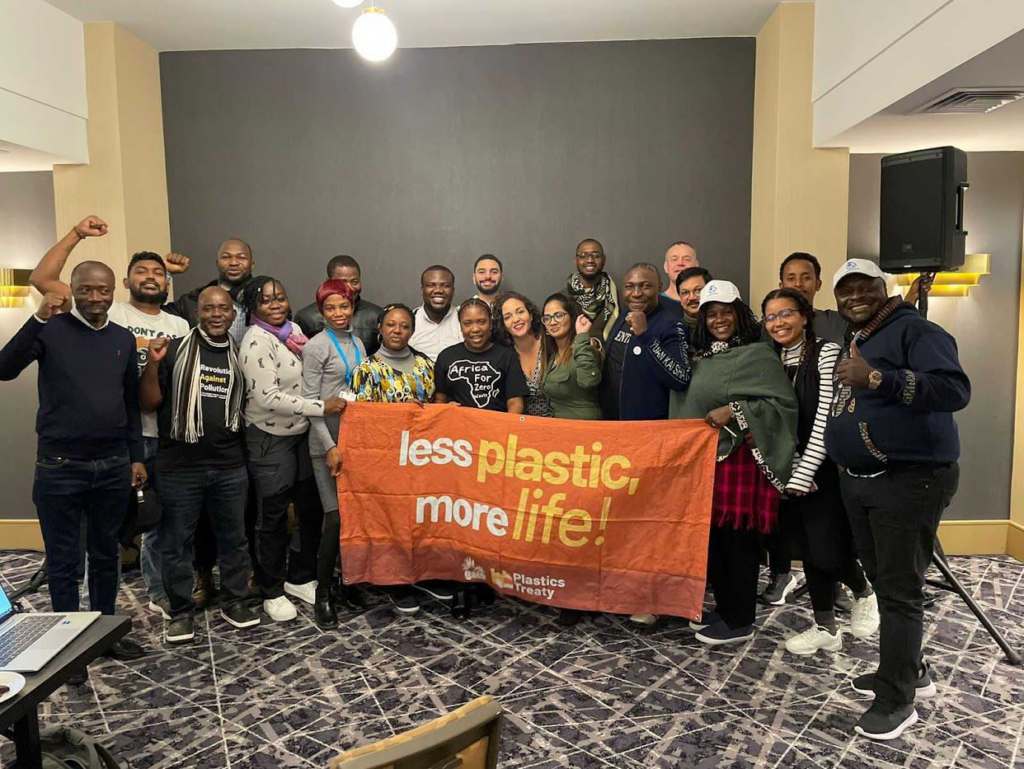
African negotiators have made significant progress, co-authoring a conference room paper with Rwanda and Peru on a global target for primary plastic polymer reduction.
This aims to benchmark collective actions towards ending plastic pollution and align with the Paris Agreement's objective to limit warming to 1.5°C.
African CSOs representing GAIA & BFFP emphasised the need for a strong financial mechanism, tackling illegal plastic waste trafficking, and prioritising global plastic production reduction, toxic chemical regulation, waste pickers' inclusion, and harmonised waste management standards.
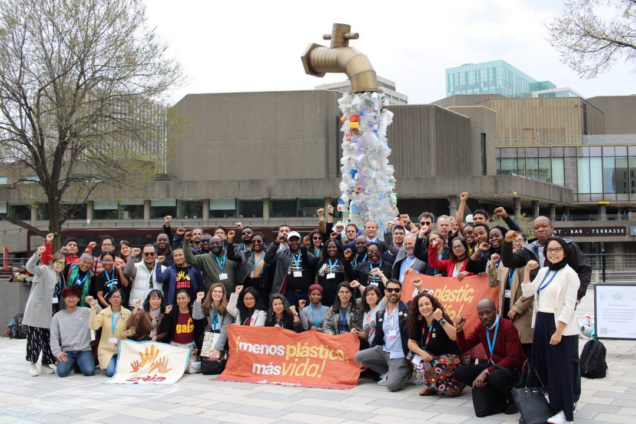
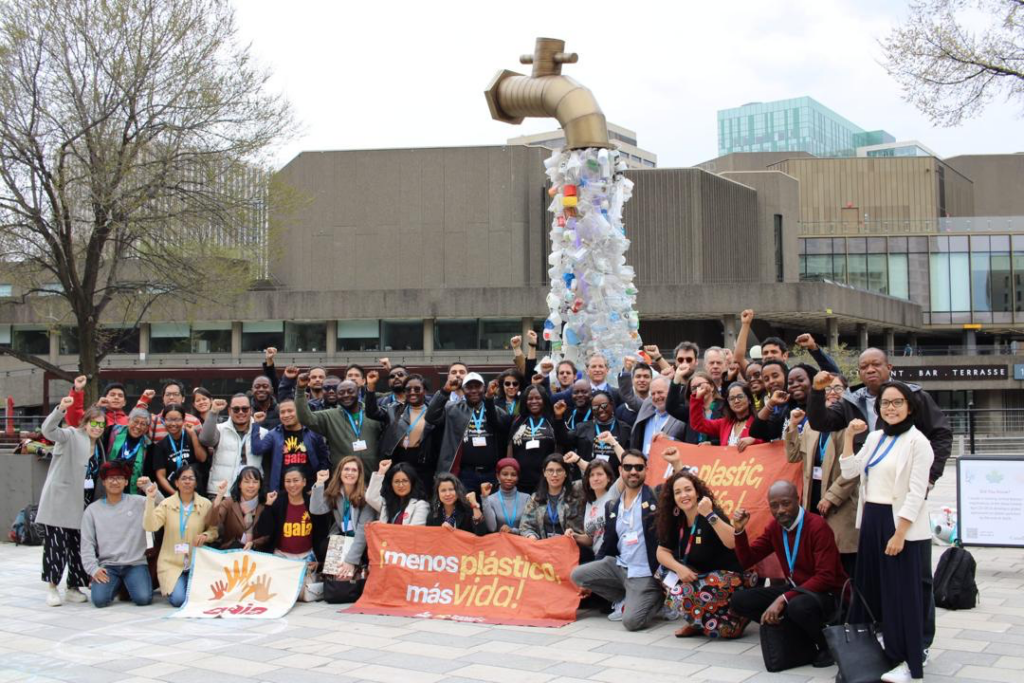
Civil society organisations from Africa, including Greenish Foundation, BioVision Africa, AEEFG, SRADEV, CEJAD, and GAYO, urged African governments to focus on upstream measures, chemicals and polymers of concern, transparency, and a comprehensive approach to the plastic lifecycle.
The INC-4 negotiations face challenges, with 196 fossil fuel and chemical industry lobbyists registered, outnumbering the Indigenous People's Caucus and independent scientists.
Despite this, African negotiators remain committed to ending plastic pollution, which severely impacts human health, human rights, and the environment.
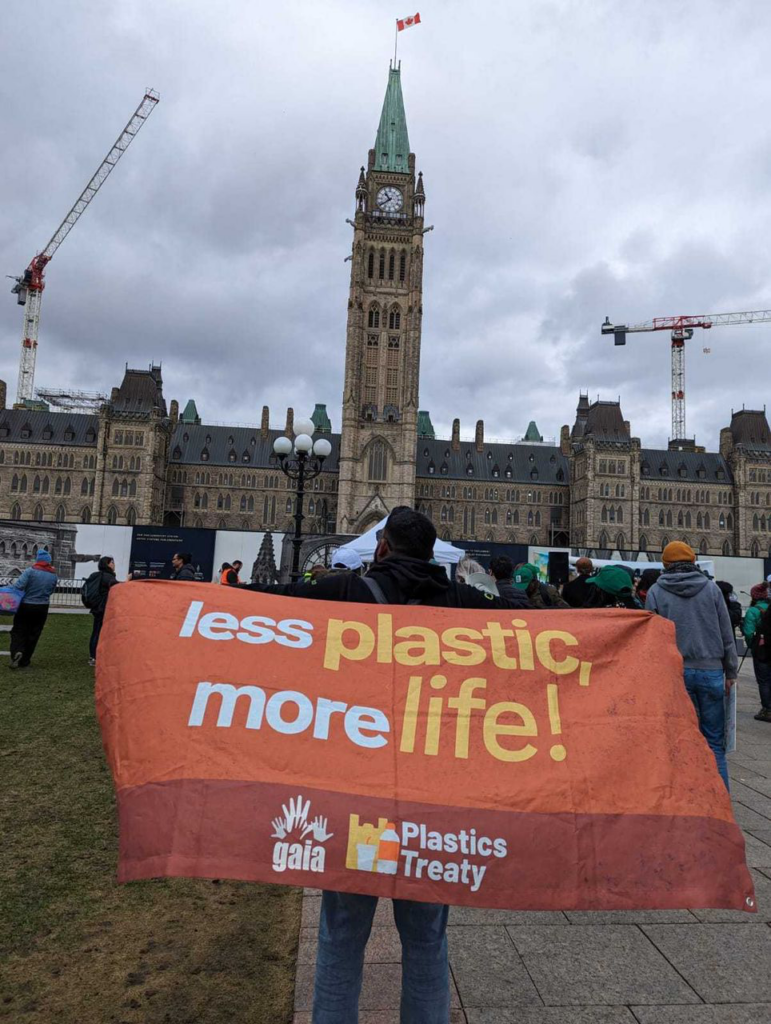
The priorities for the African CSOs include Global Plastic Production Reduction, regulating toxic chemicals and polymers, inclusion and integration of waste pickers and frontline communities, and harmonised waste management standards.
The group is also pushing for an end to waste colonialism and dumping on the African continent, strengthened extended producer responsibility, robust financial mechanism and dedicated global scientific body for the treaty.
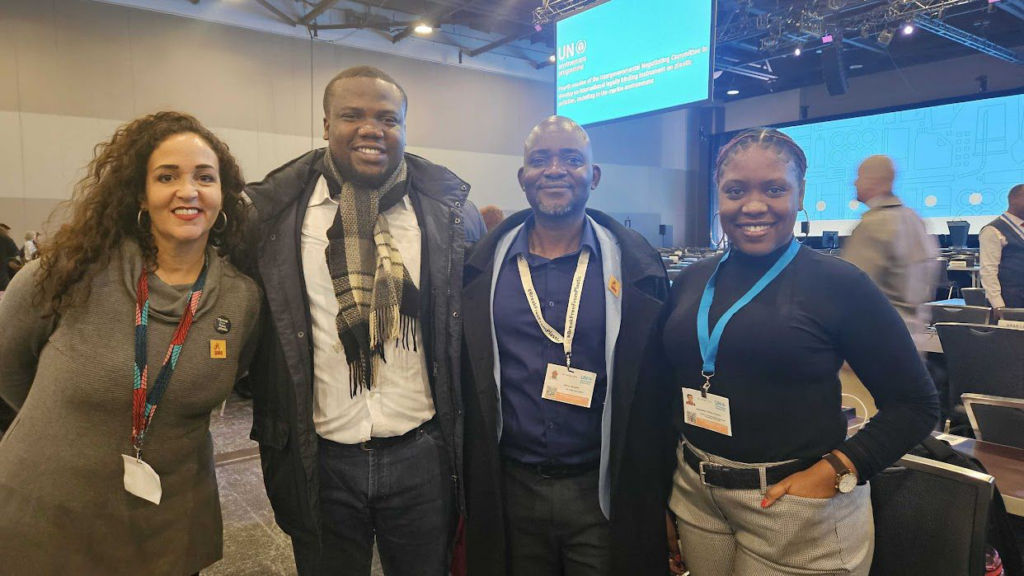
A delegate, Mohamed Kamal, of the Greenish Foundation in Egypt holds the view that “African governments need to remember how big the problem is.
"We have a lot of plastic pollution that is affecting the most vulnerable in our countries, and it is important to remember that downstream measures alone will not be sufficient and that we will need to take some additional responsibilities as countries to resolve this problem by focusing more upstream”.
Douglas Kaziro of BioVision Africa in Uganda also stated “One of the key things we think they should be focusing on is the issue of chemicals and polymers of concern as they affect the health of people and the environment”.
“We need to have a list of criteria of these polymers and monomers of concern, and critically also for transparency to have all the chemicals involved in the manufacturing of plastics”. Semia Gharbi of AEEFG in Tunisia added.
But Sarah Onuoah of SRADEV Nigeria indicated that “The treaty should cover the full lifecycle of plastics.”
Dorothy Otieno from CEJAD Kenya although agrees with some of the positions, stressed that “We have to focus on a reduction in production.
"This is where we need to begin, and then we go to reduction of chemicals or even eliminating chemicals of concern, and then eliminating avoidable plastics, and then we can now focus on the downstream measures”.
Meanwhile, Jacob Attakpah, of Green Africa Youth Organisation, Ghana said, “I think it is important to ensure that we are no longer at the receiving end of plastic waste because Africa is not a net producer of plastic.
"But we are always at the receiving end of plastic waste under the guise of recycling. To reduce the plastic waste that gets into the continent, we must first look at reducing plastic production”.
The negotiations continue, with African CSOs urging African governments to remain committed to ending plastic pollution and protecting the continent's people and environment.
Latest Stories
-
The Traffitech-GH SMS spot-fine system: The good, the sad, and the funny – Bright Simons writes
7 minutes -
Hawa Koomson pledges experienced and mature leadership of NPP women’s wing
1 hour -
Young woman found dead at Kasoa Peace Town
2 hours -
Playback: The Law examined lawful arrest in Ghana
2 hours -
Mahama urges African governments to treat healthcare as an investment, not budget cost
3 hours -
Bawumia congratulates John Boadu and new NPP executives, pledges support ahead of 2028
3 hours -
‘No talent should be left out’ – Bawumia pledges inclusive NPP campaign for 2028
3 hours -
Prof. Mike Oquaye recounts how he blocked the Special Prosecutor’s attempt to arrest Bawku Central MP
3 hours -
Make health sovereignty a priority for Africa – Mahama
3 hours -
Dorimon Naa, Wa West DCE lead massive clean-up exercise; threaten sanctions against recalcitrant residents
4 hours -
Photos from Adom FM Y2K Jam
4 hours -
Praye Tiatia steals the show at Adom FM Y2K Jam [Watch]
4 hours -
Boakye Agyarko congratulates John Boadu, pledges support for NPP leadership
4 hours -
Antwi HiMight thrills fans with Antwi ne Antwi hits at Adom FM’s Y2K Jam [Video]
4 hours -
Amb. Edward Boateng congratulates Boadu, Kodua on election wins
5 hours