

Audio By Carbonatix
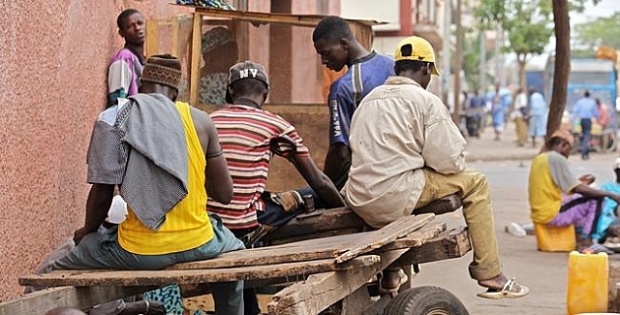
An Afrobarometer survey has revealed that education and unemployment are the most important problems the youth in the country want the government to address.
The Round 8 survey, conducted in late 2019, found that job creation and education are also the citizens’ top priorities for additional government investment in youth development, and citizens are willing to pay more taxes to support programs to help young people.
When Afrobarometer asked adults of all ages to cite the most important problems they want the government to address, infrastructure/roads was the most frequently cited priority (mentioned by 59% of respondents), followed by unemployment (39%) and education (38%) (Figure 1).
However, unemployment and education are the most important problems that young Ghanaians (aged 18-35 years) want the government to address. Young adults are 14 and 5 percentage points, respectively, more likely than seniors to cite unemployment and education as their top priorities.
The report indicates six in 10 Ghanaians (60%) would “somewhat support” or “strongly support” higher taxes to fund programs to help the youth (Figure 3).
Six in 10 respondents (59%) say job creation would be the highest priority if the government could increase its spending to help the youth (Figure 4).
Urban residents are more likely than their rural counterparts to cite job creation (65% vs. 53%) and less likely to prioritize education (16% vs. 24%) (Figure 5).
Likewise, educated citizens are more likely to prioritize job creation (69% among those with post-secondary education vs. 47% among those with no formal education), and less likely to prioritize investment in education (17% vs. 26%).
Afrobarometer is a pan-African, nonpartisan survey research network that provides reliable data on African experiences and evaluations of democracy, governance, and quality of life.
Seven rounds of surveys were completed in up to 38 countries between 1999 and 2018.
Round 8 surveys in 2019/2020 are planned in at least 35 countries. Afrobarometer conducts face-to-face interviews in the language of the respondent’s choice with nationally representative samples.
The Afrobarometer team in Ghana, led by the Ghana Center for Democratic Development (CDD-Ghana), interviewed 2,400 adult Ghanaians between 16 September and 3 October 2019.
A sample of this size yields country-level results with a margin of error of +/-2 percentage points at a 95% confidence level.
Latest Stories
-
Fire guts auto parts warehouse at Bubuashie, one fire officer injured
35 seconds -
I owe my victory to coach Ofori Asare – Allotey after winning WBA Africa Gold Super Flyweight belt
5 minutes -
Church of Pentecost supports over 2,000 BECE candidates in Obuasi with career guidance seminar
2 hours -
Brandon Asante and Coventry all but promoted to Premier League despite Sheffield Wednesday draw
2 hours -
GPL 2025/26: Late Kwartemaa strike downs Hearts in Tema
2 hours -
Ghana Faces Sierra Leone Moment as Prosecutorial Powers come under strain
2 hours -
Don’t consume fish or seafood from Tema Shipyard until further notice – FDA warns
2 hours -
Why volunteering might be Africa’s most underrated career accelerator
2 hours -
ActionAid Ghana raises concern over gender gaps in Feed Ghana Programme
3 hours -
Windstorm wreaks havoc in Gushegu, displacing nearly 2,000 residents and damaging schools
3 hours -
Friends of Bridget Bonnie Marks her 35th birthday with donation to Kasseh Model Health Centre
3 hours -
From Ekumfi Kokodo to the Pulpit Stage: Essi Donkor’s gospel journey takes shape
4 hours -
Landfilling waste management creates no value, it’s an economic waste
4 hours -
Photos: Speaker Bagbin Commissions MPs constituency office under parliamentary decentralisation programme
4 hours -
Black Stars technical advisor Winfried Schäfer sacked as GFA shakes up backroom staff
4 hours