

Audio By Carbonatix
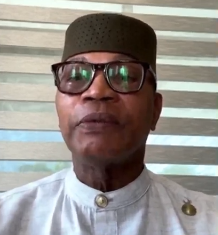
The African Union High Representative for Silencing the Guns, Dr Mohammed Ibn Chambas, has called for urgent and decisive action to end electoral violence in Ghana and across Africa, warning that peaceful elections are essential for long-term stability on the continent.
Speaking on JoyNews' News Desk, Dr Ibn Chambas stressed that election-related violence remains one of the major drivers of civil strife across Africa.
“A significant share of civil strife and crises across Africa stems from election-related violence, not always, but most of the time,” he stated.
Dr Ibn Chambas referenced his recent pre-election mission to Abidjan, where he accompanied former Nigerian President Goodluck Jonathan as part of the West African Elders Forum. He noted that Ghana was frequently praised by Ivorian political leaders and civil society groups as a model of peaceful democratic practice.
“In our meetings with Ivorian political parties and civil society, Ghana was repeatedly held up as a shining example,” he said. “They asked, ‘Why can’t Côte d’Ivoire be like Ghana, where elections take place peacefully, without violence?’”
However, he expressed deep concern over the recent violence during the Ablekuma North parliamentary re-run, which left six people injured and disrupted the vote.
“To hear about such violence in Ghana, a nation admired across the continent, is deeply alarming,” he cautioned. “We must stamp out electoral violence and confront it head-on.”
While gun-related election violence is still relatively rare in Ghana, Dr Ibn Chambas recalled the Ayawaso West Wuogon by-election and past disturbances in northern Ghana as warning signs of a dangerous trend.
“This cannot continue. Frankly, this problem is mostly confined to the two major political parties, the NDC and NPP. Smaller parties rarely engage in such violent acts,” he said candidly.
Dr Ibn Chambas urged immediate dialogue between the NPP and NDC, and called for the empowerment of institutions like the National Peace Council and the National Commission for Civic Education (NCCE).
“These bodies must engage especially the youth wings of political parties,” he stressed. “They need comprehensive training in the culture of peace, learning that elections are about mobilising supporters to vote, not about harassing or attacking opponents.”
He concluded with a passionate appeal for stronger election monitoring and early intervention to prevent violence before it erupts.
“Elections must never spiral into violence and confrontation. This has happened before, but decisive action was never taken. This must change, starting now,” he declared.
Latest Stories
-
Okai Mintah outlines vision for NDC Youth Wing as he engages MMDCEs
3 minutes -
Mahama Ayariga leads renewed push for stronger local governance through partnerships
6 minutes -
NDC youth organiser aspirant Okai Mintah consults MMDCEs ahead of elections
7 minutes -
PHOTOS: Ayikuma Methodist Basic School wins National Juniors Challenge
10 minutes -
Silence has entered our homes : Salomey Awiti Bafoh and the chilling effect of free expression in Ghana
10 minutes -
UG Pro-VC calls for stronger research funding to curb brain drain
12 minutes -
Woman in critical condition after shooting at funeral grounds in Yeji
14 minutes -
Breast Cancer awareness must lead to action – Deputy Health Minister
17 minutes -
UK identified as leading destination for Ghana’s illicit cannabis exports – Report
19 minutes -
Drug money allegedly finances Ghana’s political parties and real estate – Global Organised Crime Index
24 minutes -
NSA outlines seven steps for successful posting and validation of national service personnel
25 minutes -
GPRTU taskforce clamps down on unapproved fares at Kasoa
26 minutes -
Prime Insight: Making room for meaningful national conversations on Joy Prime
37 minutes -
FABAG commends Ato Forson’s over removal of 20% excise duty on locally manufactured fruit juices
44 minutes -
HIV stigma discourages testing, prevention and treatment in Ghana – Ghana AIDS Commission
46 minutes