

Audio By Carbonatix
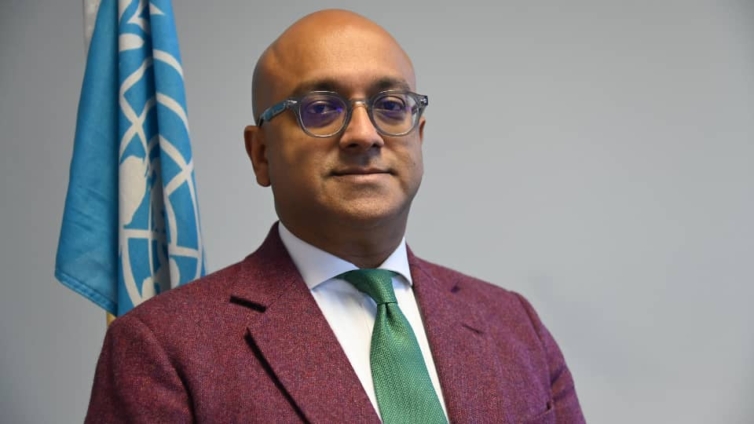
Zia Choudhury, United Nations (UN) Resident Coordinator in Ghana, has urged the public, especially global leaders, to reaffirm their collective commitment to eradicating all forms of racism and discrimination.
In a statement to mark the International Day for the Remembrance of the Slave Trade and its Abolition on 23 March 2025 in Accra, Mr Choudhury entreated residents to rise and reimagine a world that is fairer and more just for all.
On this solemn occasion, the global community marks the International Day for the Remembrance of the Slave Trade and its Abolition, commemorating the 1791 uprising on the island of Saint-Domingue (now Haiti) that paved the way for the abolition of the slave trade.
This day serves as a reminder of the millions of lives devastated by the Trans-Atlantic Slave Trade, one of history's most inhumane and enduring injustices.
The day offers an opportunity to examine the historical causes and consequences of the slave trade and its impact across continents, and encourages educational events and activities.
"This is highly relevant for Ghana, given its history as a central point of the trans-Atlantic trade in enslaved people and its existing UNESCO World Heritage Sites (Forts, Castles, and related memory sites)," the Resident Coordinator noted.
"Acknowledge the past, repair the present, and build a future of dignity and justice as a broader UN theme calls on us to reflect deeply and act decisively," Mr Choudhury stressed. "It is a call to honour the resilience of those who endured, to confront the injustices of the past, and to build a future rooted in dignity, equality, and justice."
Between the 15th and 19th centuries, over 27 million Africans were forcibly taken from their homes. Only 7.4 million survived the brutal voyage.
These individuals were objectified, exploited, and denied their basic human rights. Families were torn apart, cultures disrupted, and generations scarred.
Though abolished, its consequences persist in the form of systemic racism, social exclusion, and inequality.
People of African descent still face discrimination and marginalisation, underscoring the need for
continued vigilance and action.
Latest Stories
-
Education Ministry commends Ghanaian teachers on World Teachers’ Day 2026
3 minutes -
NPP can reconcile with aggrieved members who want to return – Nana Akomea
15 minutes -
Tamale Child Deaths: Vehicle owner arrested as IGP deploys homicide team
30 minutes -
From ShattaFest to MoMo Fest: Entertainment takes centre stage in youth engagement
36 minutes -
Nigerian military aircraft crashes, killing 32
41 minutes -
MTN encourages Ghanaians to use MoMo for saving, investing and financial planning
41 minutes -
Absa Bank Ghana names Stephen Ato Frimpong as Board Chair
49 minutes -
Pickford ‘almost caused crash’ with careless driving
51 minutes -
Author and former politician Jeffrey Archer dies aged 86
1 hour -
No education reform can succeed without teachers – Education Ministry
1 hour -
Gauff condemns racist abuse after China Open win
1 hour -
Medvedev disqualified for hitting spectator with ball
2 hours -
Oliseh scores twice in late comeback win for France
2 hours -
Pentagon stops using Anthropic AI tools after blacklisting company, BBC told
2 hours -
From despair to dance: Family of nurse Salomey Baffoe rejoices after GH¢100k bail granted
2 hours