

Audio By Carbonatix
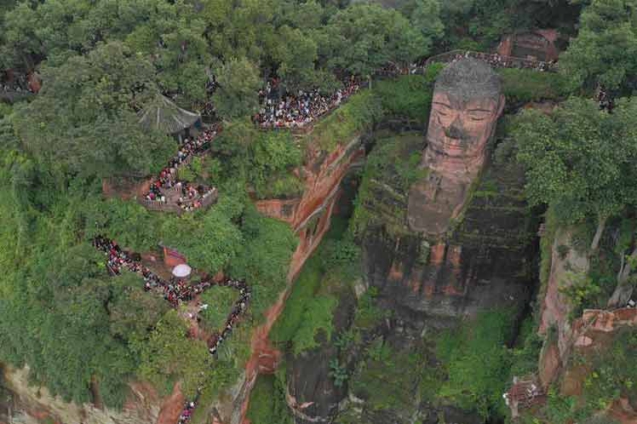
Floods in southern China have caused water from the Yangtze River to rise and reach the toes of a famous towering statue of the Buddha -- reportedly for the first time in decades.
It usually sits comfortably above the waters of the Yangtze -- the world's third longest river -- and tourists gather at its base.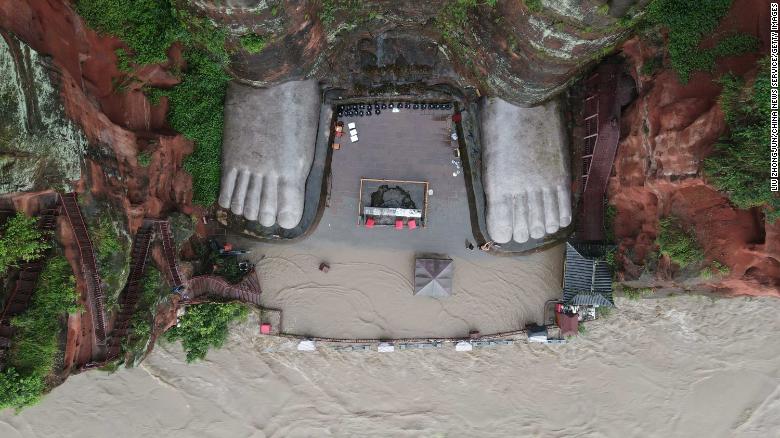 Waters also threatened the Buddha's toes. But the area was closed on Monday as river water rose high enough to touch the buddha's toes, which has not happened in at least seven decades, according to state-run media outlet Xinhua.
Police and staff put sandbags at the platform under the historic statue's feet, trying to build a dam to protect it from the rushing water -- but by the next morning, the rising water had already covered the toes.
The area remains closed as thousands of citizens evacuate to safety, and as emergency personnel begin search and rescue operations.
Officials on Chinese social media posted that the area may re-open later this week after safety assessments are carried out.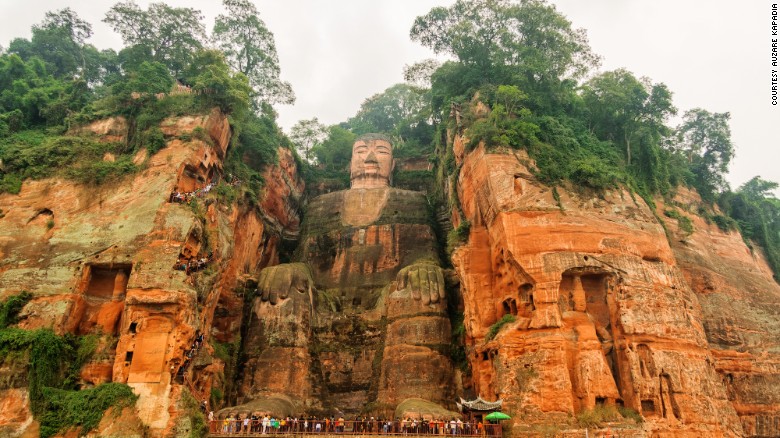 This file photo shows tourists at the feet of the giant Buddha, which is usually untroubled by river water.
Summer flooding is not uncommon in the region -- but this year has seen the worst floods in decades, destroying the homes and livelihoods of millions of people as the country struggles to revive an economy battered by the coronavirus pandemic.
The floods, which began in earnest in June, have impacted at least 55 million people -- more than the entire population of Canada.
Some 2.24 million residents have been displaced, with 141 people dead or missing, the Ministry of Emergency Management said in July.
Leshan's Giant Buddha, a 233 foot (71 meters) sitting buddha carved out of a hillside around 1,200 years ago, is part of a UNESCO World Heritage Site in China's Sichuan province.
China's Three Gorges Dam is one of the largest ever created. Was it worth it?
At least 443 rivers nationwide have been flooded, with 33 of them swelling to the highest levels ever recorded, the Ministry of Water Resources said in July.
On Wednesday, the Ministry of Water Resources raised the national emergency response alert for flood control to level 2 -- the second highest in a four-tier system.
In Sichuan, where Leshan's Buddha is located, authorities activated the highest level of flood control response on Tuesday for the first time ever.
Sections of the river and basin in the area were hit by floods "rarely seen in a hundred years," according to Xinhua.
The #ThreeGorgesDam will experience its biggest flood since it started to hold water in 2003.#ChinaFloods #Chinaflooding pic.twitter.com/0IzIkvNDBY
— China24 (@China24Official) August 19, 2020
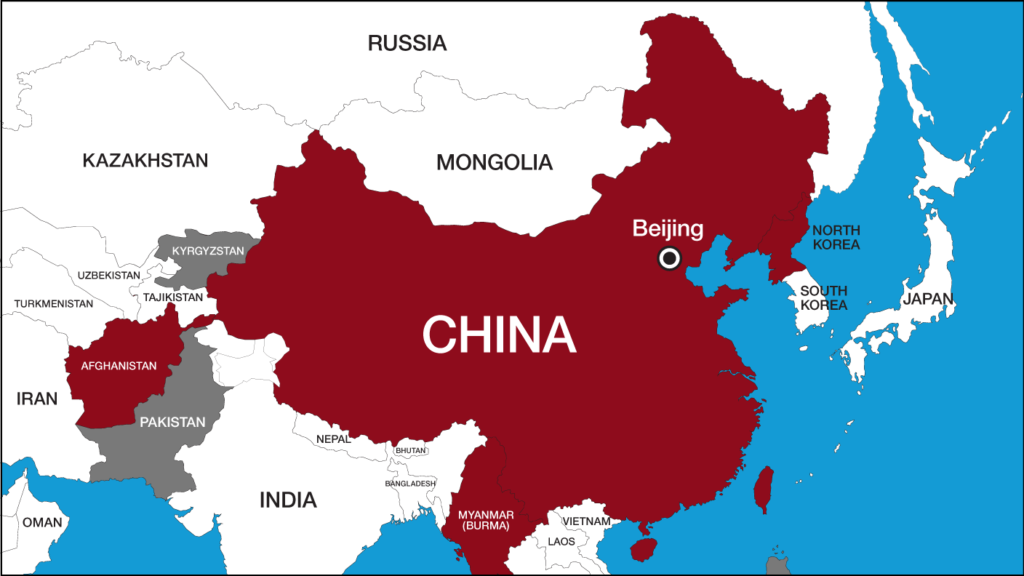
The majority of these flooding rivers are in the vast basin of the Yangtze River, which flows from west to east through the densely populated provinces of central China.
The river is the longest and most important waterway in the country, irrigating large swathes of farmland and linking a string of inland industrial metropolises with the commercial hub of Shanghai on the eastern coast.
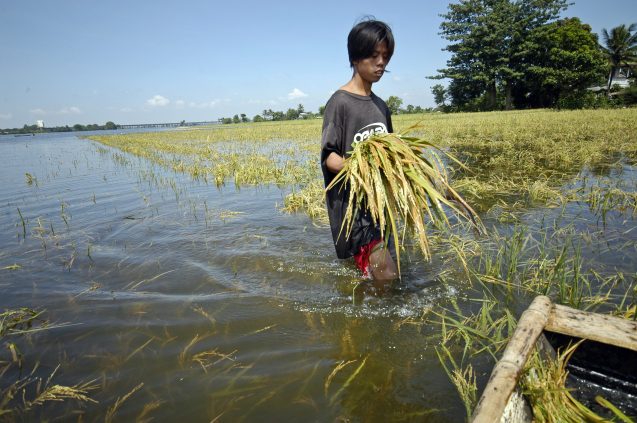
'Everything is gone.' Flooding in China ruins farmers and risks rising food prices. The flooding has not only washed away people's homes and communities -- but their farms and food supply as well.
Last month, floods destroyed thousands of acres of farmland in Jiangxi province alone. The broader Yangtze River basin accounts for 70% of the country's rice production.
China's Ministry of Emergency Management pegs the direct economic cost of the disaster at $21 billion in destroyed farmland, roads and other property.
Beijing has so far been able to secure food supplies by importing vast amounts of produce from other countries, and by releasing tens of millions of tons from strategic reserves -- but analysts warn that such measures can only be useful for so long.
Latest Stories
-
Ghana, Germany deepen cooperation on railways, labour mobility
1 minute -
Huge crowds greet Pope in Paris for open-air Mass
12 minutes -
‘I never said I’ll declare a state of emergency’ – President Mahama on galamsey
53 minutes -
Bobby Banson condemns EOCO’s attempted arrest of Nana Agyei Baffour Awuah
1 hour -
When Kumasi begins to look like somebody is in charge
1 hour -
Parliamentary probe into cocaine seizure would be a waste of time – Inusah Fuseini
1 hour -
Cocaine seizure: Focus on Ghana’s reputation, not partisan blame – Osae-Kwapong
2 hours -
Two Invitations, Three Interrogations: Did Baffour Awuah tell the whole story?
2 hours -
Drug cartels may be seeing Ghana as easy route – Lenin Anane Agyei
3 hours -
Ghana risks gaining notoriety as drug-trafficking hub – Bobby Banson
3 hours -
Government dismissed my drug trafficking warning, then tried to arrest me – Ntim Fordjour
3 hours -
Day Two: 3rd Republic Bank-JoyNews Habitat Fair Clinic underway at Junction Mall
3 hours -
NACOC addressing inherited gaps in fight against drug trafficking – Deputy Director-General
3 hours -
Taekwondo goes to school as GTF launches five-region youth campaign
3 hours -
The issues Mourinho is struggling to fix at Real Madrid
3 hours