

Audio By Carbonatix
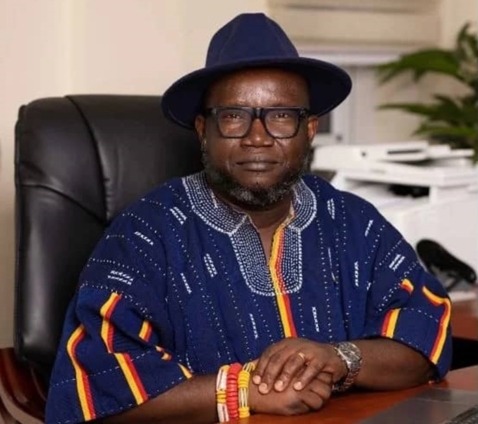
The CEO of the Ghana Chamber of Mines, Dr Ken Ashigbey, has urged members of the judiciary to expedite trials related to illegal mining, also known as galamsey, which continues to wreak havoc on Ghana’s environment.
Addressing a capacity-building workshop in Takoradi for Circuit Court Judges and Magistrates from the Western, Western North, and Central Regions, he stressed the need for swift judicial action to counter the growing environmental crisis.
The workshop, jointly organised by the Ghana Chamber of Mines and the Judicial Training Institute, aimed to strengthen judicial understanding of the legal frameworks governing mining. Dr Ashigbey called on judges and magistrates to treat mining-related offences with the seriousness they deserve.
“The devastating effects of galamsey are plain to see. Polluted rivers, devastated farmlands, severe health and medical predicaments, and shuttered communities, among others. We are at a critical juncture where the urgency of combating illegal mining cannot be overstated. It’s our collective responsibility to act swiftly and decisively,” he said.
He expressed concern over the slow pace of legal proceedings, which he argued undermines both environmental protection and public trust in the judiciary.
“Yet, justice often arrives too slowly, and in some cases, we don’t see the matter being adjudicated to serve as an effective deterrent.
"We, therefore, call on the judiciary to prioritise and expedite mining-related cases, especially those involving environmental degradation and breaches of licensing regulations.
"Justice delayed in this matter is not merely justice denied, but it’s national development destroyed and public confidence eroded,” Dr Ashigbey added.
He further noted that such engagements allow the judiciary to better understand the implications of illegal mining and refresh their knowledge of applicable laws.
The Chamber, he said, remains committed to supporting the judiciary through collaboration and knowledge-sharing.
The initiative, he stressed, forms part of broader efforts to build resilience within the legal system against environmental abuse.
Also speaking at the event, His Lordship Justice Tanko Amadu, a Justice of the Supreme Court and Director of the Judicial Training Institute, called on the courts situated within Ghana’s mineral-rich areas to play a central role in safeguarding the country’s natural wealth.
“The constitutional foundation against which Acts 703, 995, and 1036 must be applied. The constitutional imperative is clear: we are custodians of legal accountability in the extractive sector and stewards of justice where the rights of communities, the state, and private investors intersect,” he remarked.
Latest Stories
-
‘I don’t make music for awards, I make it to connect people’ – Rocky Dawuni
2 minutes -
Farmer jailed for three months over assault on wife in viral video
7 minutes -
Police arrest eight in Okaishie operation targeting illicit drugs and medicines
10 minutes -
David Agyemang Yeboah: Marriage is not the problem; your approach is
14 minutes -
Lawyer sues Standards Authority over used-vehicle import restrictions
16 minutes -
Ukraine to restart strikes on Russian oil refineries, Zelensky says
16 minutes -
CIMG awards drive competition among Ghanaian businesses
22 minutes -
NSA regional director Emmanuel Reagan files nomination to contest NDC Ashanti Regional Organiser position
26 minutes -
Obuasi SHTS: Number of students alleging sexual abuse rises to 16
32 minutes -
Ghana’s economy grows by 7.4% in July 2026
42 minutes -
NDC member challenges Dennis Yeboah Twumasi’s eligibility for Bono Regional Secretary elections
53 minutes -
Popular Nigerian gospel singer Toluwanisings dies
1 hour -
Spio-Garbrah proposes debt swaps to fund reparative justice in Africa and Caribbean
1 hour -
Alban Bagbin calls for governance reforms and coordinated action to address Africa’s debt crisis
1 hour -
AAK Academy Ghana trains 22 chocolate and confectionery companies in production techniques
1 hour