

Audio By Carbonatix
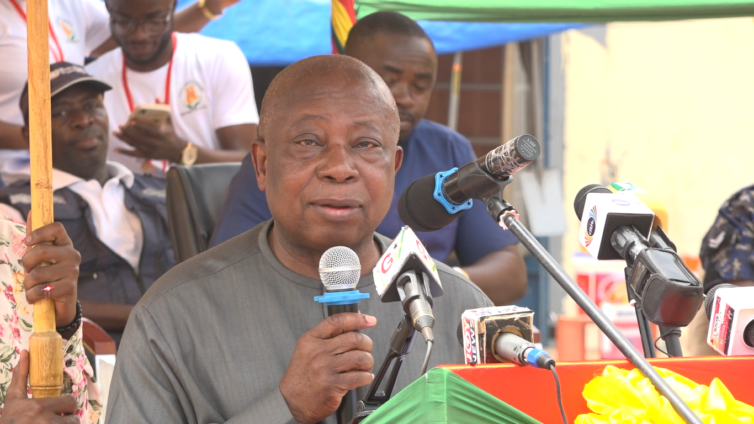
Health Minister, Kwaku Agyeman-Manu, says Ghana has made significant progress in the fight against malaria.
According to him, for over a decade, the country has been able to reduce malaria deaths by 96% in 2022 using 2008 as a baseline.
“Malaria related deaths at all ages reduced from 3,889 in the year 2008 to 155 by the end of 2022 which is about a 96% reduction,” he said.
He made these comments at the launch of the National Malaria Elimination Strategic Plan on January 16, 2024.
Mr Agyeman-Manu explained that the country was able to achieve these strides through the implementation of the elimination programme which included the malaria case management guidelines, running laboratory diagnoses of malaria and conducting supervisory visit to public and private health.
“The National Malaria Elimination Programme was established to reduce malaria morbidity and mortality rate by 75% by 2020, using 2012 as a baseline.
"Some of the key interventions and strategies implemented by the elimination programme include distributing long-lasting insecticidal nets nationwide through health facilities, communities and schools; rolling out guidelines for malaria case management, malaria in pregnancy, laboratory diagnoses of malaria and anti-malaria drug policy in all our regions.
"Conducting supervisory visits to public and private health monthly data review, retain data quality audit and monitoring of activities of epidemiological sentinel site,” he added.
Meanwhile, as part of efforts to completely eradicate malaria in Ghana, the government launched the National Malaria Elimination Strategic Plan.
The plan aims at reducing malaria mortality by 90% by the year 2028, and to reduce malaria incident by 50% going into 2028.
Mr Agyeman-Manu expressed his optimism in Ghana’s capacity to eradicate the disease citing the successes of the national malaria programme
Director General of the Ghana Health Service, Dr Patrick Kumah-Aboagye said there was a need to completely eradicate the disease like other countries have done.
“The disease imposes a heavy economic burden on households, the health system and the national economy. Malaria related illness and death leads to loss of productivity, absenteeism from work and school increased health care costs as well as personal costs. This can result in reduced economic growth and development,” he added.
Latest Stories
-
Be careful with cross-border lending, foreign currency exposures – BoG to financial institutions
2 hours -
GPL 2026/27: Medeama go three clear as Hearts of Oak recover and Bechem stage stunning comeback
2 hours -
Ntiamoah Foundation launches “BEYOND 20” anniversary campaign
2 hours -
Credit Risk Management Directive: BoG to begin implementation for banks, others from July 1, 2027
2 hours -
Ghana Brands Awards 2026: Leading brands, business trailblazers to shine on November 20
3 hours -
T-bills auction: Demand improves as government exceeds target by about 76%; interest rates soften
3 hours -
Ziope undertakes initiative to build a technologically inclined community, commissions self-help ICT lab
3 hours -
ECG announces power outage in parts of Tema, Central Region due to network fault, maintenance
4 hours -
When the Gospel Becomes a Weapon: The church, blackmail and the abuse of faith
4 hours -
JoyNews’ Jacqueline Ansomah Yeboah selected for UK Media Excellence for Emerging Technologies Fellowship
4 hours -
Mental Health Alliance urges government to operationalise Mental Health Fund
5 hours -
Ghana–Holy See agreement heads to Parliament after Cabinet approval
5 hours -
Luv FM Corporate Games 2026: Kumasi Central Prisons, Amanfiman Bank win big amid fun
5 hours -
WAFU B U17: Ghana top Group A after win over Togo
5 hours -
Ho Central Mosque reopens amid unresolved leadership dispute that led to closure
7 hours