

Audio By Carbonatix
IMF Mission Chief for Ghana, Dr. Ruben Atoyan, has revealed that Ghana will have access to the final tranche of US$318 million immediately after July 27, 2026.
This is subject to the IMF Board approving Ghana’s sixth programme review.
Dr Atoyan noted that "as soon as the board approves Ghana’s final programme, the next day, I will move to sign the payslip for the funds to be released."
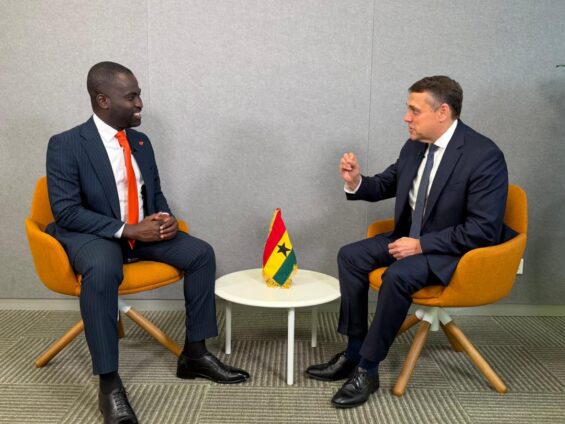
The IMF Mission Chief disclosed this on PM EXPRESS Business Edition with host George Wiafe on May 21, 2026.
He confirmed that IMF staff will present a comprehensive report on Ghana to the Board for approval of the sixth programme review.
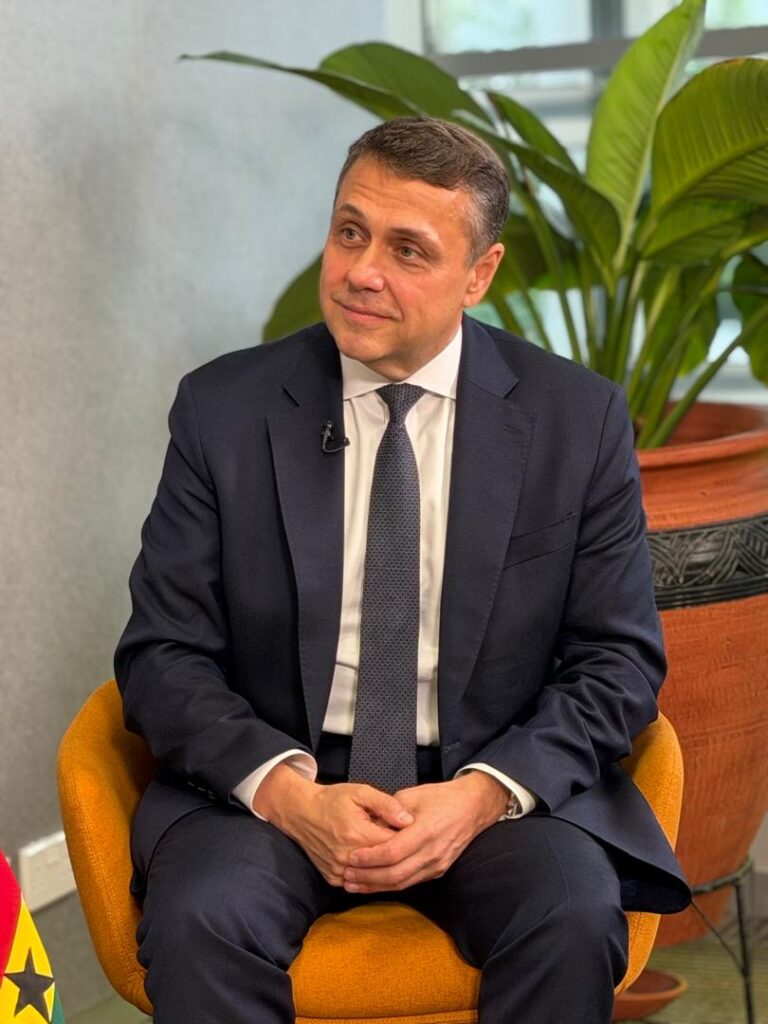
Dr Atoyan explained that once the Board approves the report, the final tranche of more than US$318 million under Ghana’s bailout programme is expected to hit the account of the Bank of Ghana.
The Mission Chief clarified that Ghana’s Extended Credit Facility (ECF) programme has not officially ended despite the recent staff level agreement reached in Accra.
Disbursement under the ECF programme
Since Ghana signed onto the IMF programme in May 2023, the country has received about US$2.8 billion as of December 2025.
If Ghana successfully passes the sixth review and receives the final tranche, the total amount secured under the Extended Credit Facility programme since signing on could reach US$3.2 billion.
The majority of these funds have gone a long way in supporting projects identified in the 2025/2026 budget.
Unlike previous programmes that focused on supporting the Bank of Ghana’s reserves, funding under the current programme was directed toward projects identified in the national budget.
According to the IMF, Ghana’s ECF programme has delivered substantial stabilisation gains driven by strong reform efforts and significant progress in public debt restructuring. These efforts have contributed to sharply lower inflation, stronger external buffers, improved confidence in the cedi, and significant gains in debt sustainability.
The Mission Chief stated that there have also been improvements in the debt trajectory, creating fiscal space to advance development objectives while preserving the hard won stabilisation gains.
He also maintained that sustaining these gains depends on strong implementation of ambitious public financial management and structural reforms aimed at mitigating risks associated with contingent liabilities.
Latest Stories
-
Ghana Water revenue mobilisation below 50% of potential – MD
6 minutes -
Ghana’s democracy must accommodate dissent and constructive criticism – Haruna Iddrisu
7 minutes -
Fact check: Trump posts fake quote of Denzel Washington supposedly praising him
8 minutes -
UPSA students lament high fees at private hostels, call for government intervention
19 minutes -
We will upgrade Ghana’s credit ratings if government maintains fiscal discipline, policy effectiveness – Moody’s
20 minutes -
Gender Ministry supports four siblings allegedly sexually abused by their father
23 minutes -
UMB MD wins ‘CEO of the Year’, banking category at 2026 Ghana Credit Excellence Awards
24 minutes -
Don’t throw away empty egg cartons — 6 smart ways to reuse them
28 minutes -
GoldBod poised to surpass 2025 forex performance – Sammy Gyamfi
29 minutes -
Old students of Peki SHS break ground to give 70-year-old school infrastructure a facelift
43 minutes -
Ablakwa facing ‘personal vendetta’ over refusal to grant Nana B service passport – Majority
44 minutes -
Every year, the lawyers come out, and so does the nonsense! – Ace Ankomah writes
56 minutes -
Digital transformation without an ownership culture can digitise poor service
59 minutes -
Fishing communities demand revocation of offshore gold exploration licences over livelihood concerns
1 hour -
How Ghanaian tycoon Manoj Lakhiani built a water and plastics empire from a $25,000 loan
1 hour