

Audio By Carbonatix
The Ministry of Foreign Affairs has alerted Ghanaian traders and businesses to Burkina Faso’s continued ban on the export of cereals and white beans, urging full compliance to avoid sanctions.
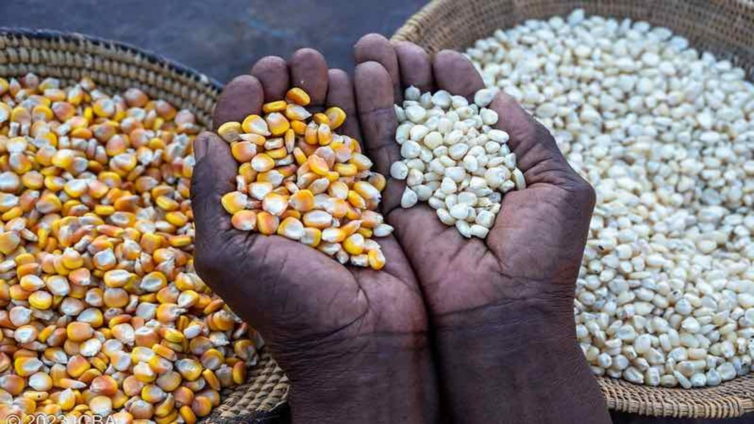
In a statement issued on Tuesday, February 25, the Ministry cited official communications from Burkina Faso - joint communiqués No. 023-0017 dated December 19, 2023, and No. 024-0017 dated November 13, 2024 - reiterating the ban on the export of key staples including rice, millet, maize, sorghum, and cowpeas.
The restriction aims to safeguard Burkina Faso’s domestic food security amid regional concerns over grain shortages and rising prices.
“Ghanaian traders and businesses involved in importing these commodities from Burkina Faso are advised to take note of this directive and comply accordingly to avoid any sanctions or confiscation of goods,” the Ministry’s statement highlighted.
Burkina Faso initially announced the export restrictions in December 2023, citing concerns over food sufficiency amid challenging climatic conditions affecting agricultural output.
The ban has since been extended, as reaffirmed by the November 2024 communique, highlighting the country’s determination to stabilize local food supplies.
Ghana, a significant importer of cereals from its northern neighbour, could face short-term supply disruptions and potential price hikes in local markets as a result of the ban.
Market analysts warn that the restriction could have ripple effects on Ghana’s food security, particularly for industries reliant on imported grains and beans.
Local traders, especially those operating along the border regions, have been urged to seek alternative sources or adjust supply chains to mitigate the impact.
“We understand the implications for Ghanaian businesses, but compliance is crucial to maintaining smooth bilateral trade relations,” the Ministry added.
The Foreign Ministry further encouraged affected stakeholders to stay updated on developments and liaise with relevant authorities for guidance.
Ghana’s diplomatic missions in Ouagadougou and border agencies are expected to monitor the situation closely and assist traders where necessary.
With the agricultural sector facing increasing challenges across West Africa, regional cooperation and contingency planning are becoming more critical.
The Ministry reassured the public that it will continue to engage with its Burkinabe counterparts to explore possible solutions that minimise economic disruptions while respecting Burkina Faso’s domestic priorities.
For now, Ghanaian importers are advised to exercise caution, adhere to trade regulations, and explore alternative sourcing options to ensure steady supply and price stability of these essential commodities.
Latest Stories
-
Ghana’s BRICS move requires clear strategy to manage risks – Godfred Bokpin
2 minutes -
Pay teachers realistic income – Duncan Amoah to gov’t
18 minutes -
Bechem to become chicken capital of Ghana – Mahama projects
19 minutes -
Gov’t targets recruitment of 16,500 health professionals in 2026
40 minutes -
Two-week strike will not derail academic calendar – GNAT President
55 minutes -
Headmaster detained after BBC investigation into alleged sexual abuse of students
1 hour -
GNAT pushes for clear implementation procedures of teachers’ conditions of service
1 hour -
Recurrent strikes threaten quality of education and academic calendars – Prof Bokpin
1 hour -
‘Cockroach’ group leaders among hundreds detained in Delhi protest
2 hours -
Don’t let speed of information become your judgement – CJ tells new lawyers
2 hours -
World Cup visa scandal: People have leveraged public office to facilitate fraud – Senyo Hosi
2 hours -
Glut! Farmers count losses as prices crash, customers happy
3 hours -
GSA postpones auction of unserviceable vehicles
3 hours -
Man charged with attempted murder after stabbing
3 hours -
World Cup visa scandal: Senyo Hosi says issue goes beyond calls for Sports Minister’s resignation
3 hours