

Audio By Carbonatix
Ghana’s building construction sector recorded a further slowdown in inflation in November 2025, offering relief to contractors, developers and households, amid easing cost pressures.
According to the latest Prime Building Cost Index (PBCI) released by the Ghana Statistical Service (GSS), overall building construction inflation declined to 5.9% in November 2025, down from 7.8% in October 2025. This marks the seventh consecutive month of decline in construction inflation.
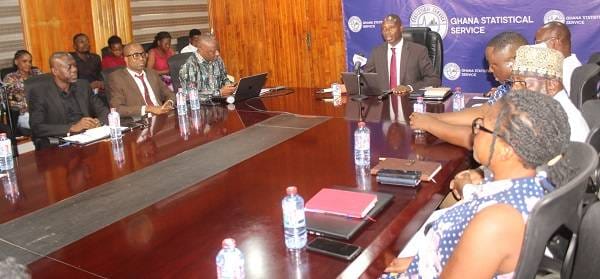
The data was presented in Accra by Omar Seidu, Acting Deputy Government Statistician, who highlighted improving cost conditions across key components of the construction industry.
Despite the year-on-year slowdown, the overall prices of building inputs rose marginally by 0.4% month-on-month between October and November 2025, reflecting moderate price adjustments within the sector.

Labour and Materials Costs Ease
The report showed a significant easing in labour-related pressures. Year-on-year labour inflation fell sharply to 12.7% in November 2025, from 13.7% in October 2025. On a month-on-month basis, labour prices increased by 2.6%, suggesting continued demand for skilled labour, albeit at a slower pace.
Materials inflation also showed improvement. Year-on-year materials inflation declined to 4.2% in November 2025, down from 6.3% in October 2025, while materials prices recorded a slight 0.1% decrease month-on-month.
Similarly, inflation for plant slowed, with year-on-year plant inflation easing to 5.3%, from 7.0% in October 2025. However, plant prices declined by 0.7% month-on-month, indicating reduced short-term cost pressures in that category.
Equipment Records Highest Inflation
At the sub-group level, the report revealed mixed trends. Equipment recorded the highest inflation rate at 15.2%, reflecting continued cost pressures in machinery and tools used in construction.
In contrast, reinforcement materials recorded the lowest inflation rate of minus 7.3%, suggesting falling prices for key inputs such as steel reinforcement.
Outlook for Construction Sector
The sustained decline in construction inflation is expected to support ongoing infrastructure projects, private real estate development and housing affordability, particularly if the trend continues into early 2026.
The Ghana Statistical Service noted that the Prime Building Cost Index remains a critical tool for monitoring cost movements in the construction industry and guiding policy, investment and contract adjustments.
Latest Stories
-
Drug money allegedly finances Ghana’s political parties and real estate – Global Organised Crime Index
3 minutes -
NSA outlines seven steps for successful posting and validation of national service personnel
4 minutes -
GPRTU taskforce clamps down on unapproved fares at Kasoa
5 minutes -
Prime Insight: Making room for meaningful national conversations on Joy Prime
16 minutes -
FABAG commends Ato Forson’s over removal of 20% excise duty on locally manufactured fruit juices
23 minutes -
HIV stigma discourages testing, prevention and treatment in Ghana – Ghana AIDS Commission
25 minutes -
Blocking cocaine probe lends weight to claims of political protection for traffickers – Assin South MP
29 minutes -
NPP Vice Chair race: I may be the youngest, but most experienced – Nana B
31 minutes -
Last UK and US troops leave Iraq as anti-Islamic State mission ends
31 minutes -
Don’t stay home idle, embrace entrepreneurship while awaiting posting – Unemployed nurses urged
43 minutes -
Aayalolo buses not speeding on contra-flow lanes – GAPTE assures commuters
46 minutes -
Effia MP calls for Kurt Okraku’s removal, overhaul of Ghana football structure
47 minutes -
CAS hearing on AFCON final appeal by Senegalese Football Federation set for October 8
47 minutes -
STC fares to go up by up to 8% this week – Deputy MD
48 minutes -
Photos: Accra-Kumasi bypasses get new lease of life as contractors return to site
48 minutes