

Audio By Carbonatix
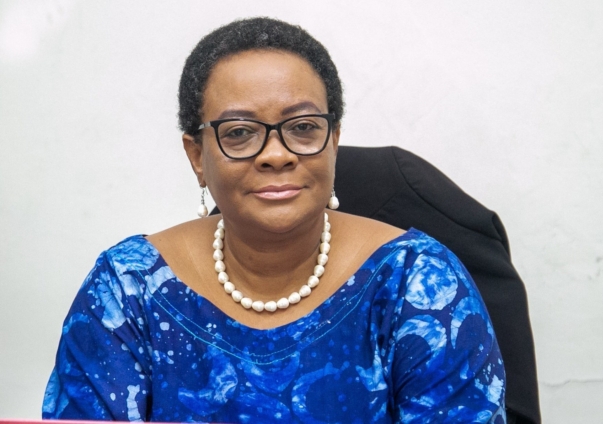
The Executive Director of the Ghana Integrity Initiative (GII), Mary Awelana Addah, has called for measures to address the rising instances of single-sourcing procurement practices within the public service.
She emphasised that while single-sourcing is legal under specific conditions, its increasing use has raised concerns about public sector corruption.
Single-sourcing procurement involves the buying entity selecting a particular supplier without opening the process to competitive tender.
This method, though legal under certain circumstances, is often seen as a gateway for corrupt practices within the public sector.
Madam Addah highlighted that many stakeholders have linked the prevalence of corruption in the public sector to the frequent use of single-sourcing procurement.
She argued that relying on a single supplier without competition undermines transparency and accountability in the procurement process.
To combat this issue, the GII Executive Director recommended that public procurement should be subjected to a competitive tendering process.
She believes that this approach would help eliminate corruption by ensuring that all suppliers have an equal opportunity to bid for contracts, thereby promoting fairness and transparency.
Madam Addah's call for reform comes amidst growing concerns about the integrity of public procurement practices.
She stressed the need for stringent measures to ensure that public procurement processes are fair, transparent, and free from corruption, ultimately contributing to better governance and public trust.
“Out of the total procurement window, almost 85 per cent of it is done through a single source. And if it is a single source, it means there are a lot of compromises being reached."
“If people are buying school materials, textbooks, and the rest in the education sector, health items, and we are procuring them through single source procurement, while the IMF has recommended that we do a lot more of the competitive tendering, then it means we are compromising on the regime and that affects mostly the private sector.”
Latest Stories
-
GH¢800,000 goods destroyed as fire engulfs Kia Rhino truck on Apedwa-Kibi Road
28 minutes -
Chief Justice calls for supportive workplaces to address mental health stigma
29 minutes -
NVI CEO defends GH¢13m spending on training, workshops and conferences
30 minutes -
Ghana targets first locally manufactured vaccine by 2027
33 minutes -
Teachers suspend strike after reaching agreement with government
44 minutes -
Council of State describes talks with striking teachers as fruitful
1 hour -
Adjaye Associates opens new Accra studio with public space for cultural exchange
1 hour -
BoG to issue new Credit Risk Directive as NPL ratio in the Savings and Loans sector deteriorates
1 hour -
You can preach in a stationary vehicle, but not when it’s moving – Mahama clarifies
1 hour -
Alhaji Iddrisu Mustapha: The educated professional seeking to bring experience to NDC Western Region leadership
1 hour -
Former Deputy Trade and Industry Minister Nana Ama Dokua called to Ghana Bar
2 hours -
Old Edubiase Methodist Basic School pupils turn traders, farmers as teachers’ strike bites harder
2 hours -
Prudential Bank secures GH¢1.13bn investment from Bloom Africa
2 hours -
Ernest Kwasi Okoh
2 hours -
The Trotro has become a House of Worship!
2 hours