

Audio By Carbonatix
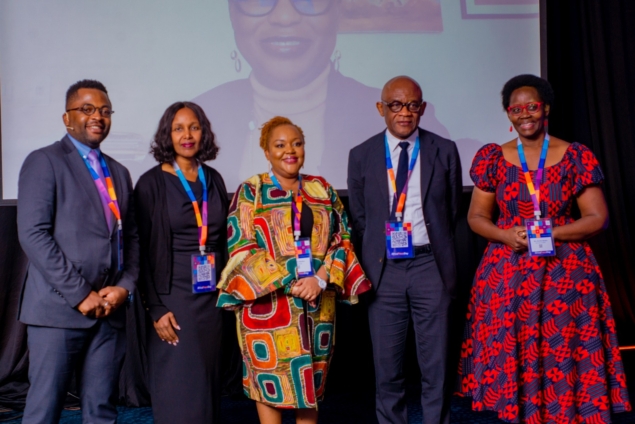
Health is not charity. It is capital. That was the resolve from policymakers, financiers and health leaders at the first panel discussion of the Roche Africa Press Day in Kenya, held to commemorate the 2026 International Women’s Day, with focus on breast cancer among women.
Under the theme “Health is Wealth: What is the economic return of health?”, the conversation moved beyond the moral imperative of saving lives and into hard economic realities such as productivity, GDP growth, competitiveness and fiscal sustainability.
Moderating the session, Paul Chilwesa who is the Head of Policy, Population for Health and Health System Strengthening at Roche Africa, framed the debate within Africa’s long-term development ambitions.

Referencing the African Union’s Agenda 2063 vision, he pointed to a key finding from the 2026 McKinsey Health Institute report ‘The Health of Nations’ which notes that up to 50% of the gap in economic prosperity between countries can be directly attributed to health outcomes.
“That is a very important message to carry forward,” he said, underscoring the link between stronger health systems and higher GDP growth.
For Oluranti Doherty, Managing Director for Export Development at Afreximbank, the numbers are no longer abstract.
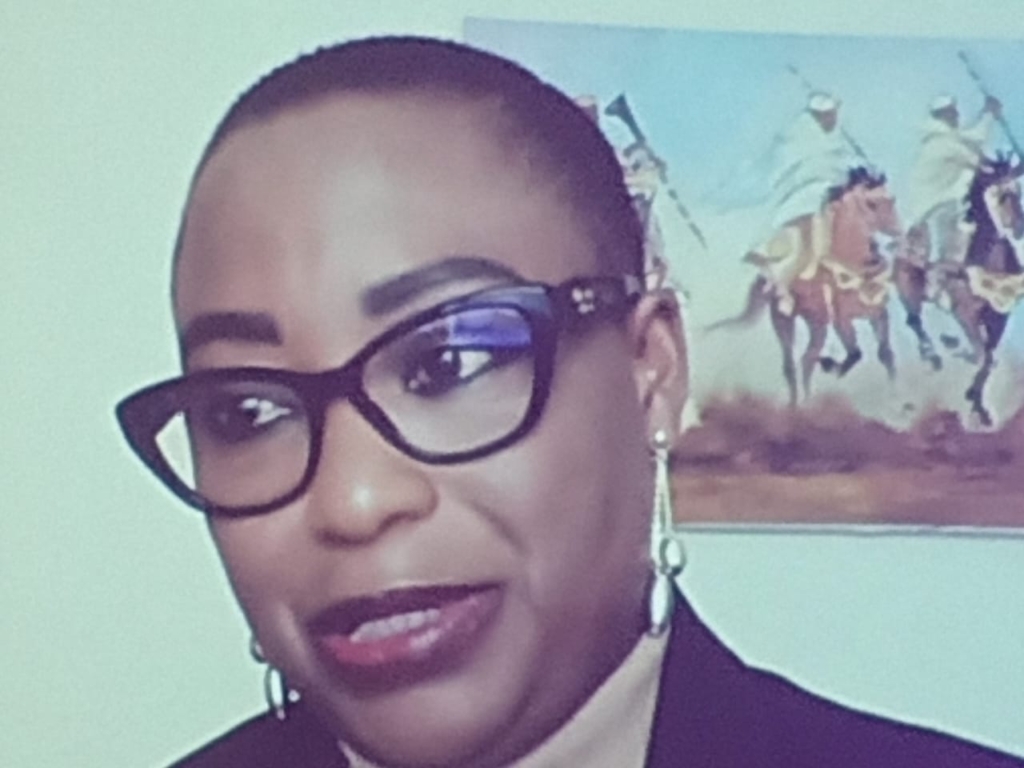
Across Africa, she said, rising cancer cases are no longer just a public health burden, they are an economic constraint.
“Cancer is not only a health burden, it is a competitiveness tax,” she said.
“When people are in their most productive years and are forced out of the workforce, when caregivers leave their jobs, when households drain their savings for treatment, that is not only a social tragedy, it is an economic shock.”
Late diagnosis, she stressed, is both a clinical and economic failure.
“If diseases are detected late, productivity declines, household incomes fall, and businesses become fragile. That constrains national competitiveness.”
According to estimates shared during the session, between 2020 and 2023, approximately $10billion was lost in productivity across seven African countries due to cancer-related impacts.
“That number represents value that could have been saved,” the panel heard.
For development finance institutions like Afreximbank, this has prompted a strategic shift. Traditionally focused on roads, ports and energy, the bank now sees health systems as core economic infrastructure.
“A good road moves goods,” Doherty said, “but it cannot function without healthy people who build, regulate and operate it. Health systems are infrastructure for human capital. And human capital is the real engine of economic growth.”
To back that shift, Afreximbank has deployed over $3 billion into healthcare interventions, including vaccine financing during COVID-19 and the establishment of the African Medical Centre of Excellence in Abuja, developed in partnership with King’s College Hospital London.
“Strengthening diagnostics is critical,” she added. “When people do not present late, treatment is less complex and less costly. That preserves household savings and protects fiscal sustainability.”
For Dr. Caroline Mbindyo, CEO of AMREF Enterprises, the argument begins even earlier — in childhood.
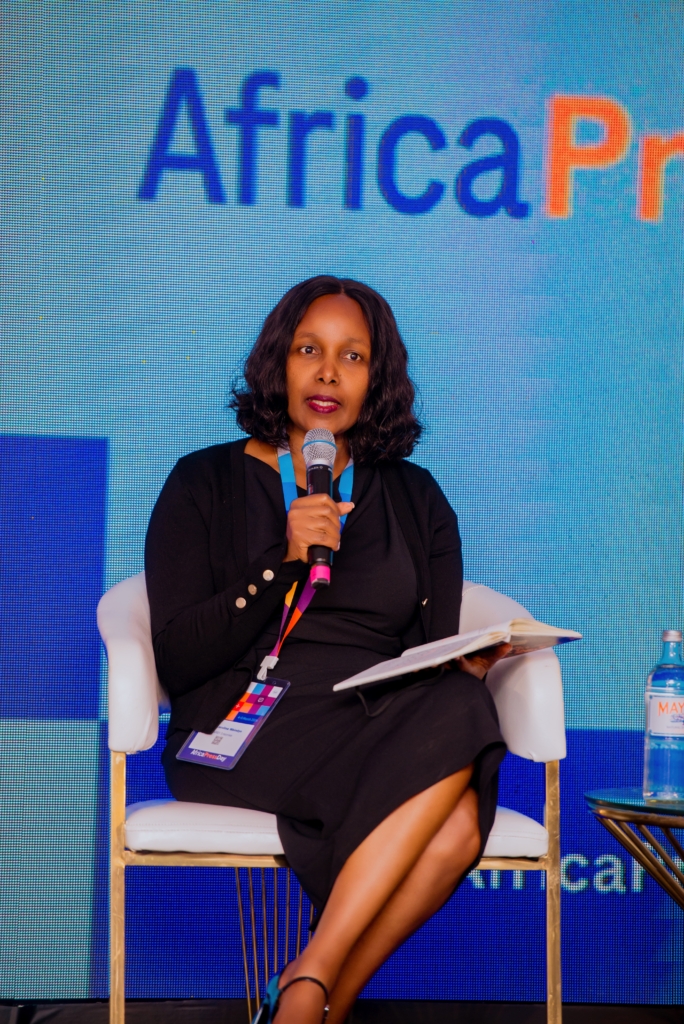
“Our belief is simple,” she said. “Healthy people make wealthy nations. Healthy children can learn. Healthy adults can work.”
But she challenged the room to rethink how health is valued.
“When we talk about healthy people, we are talking about two things: health and people. The question is: how do we value people?”
Dr. Mbindyo urged governments and investors to apply a “health lens” to every public investment.
“Health begins at home where we live, where we work, where we go to school. Our environment determines our health outcomes.”
Citing maternal deaths in remote Kenyan counties where women die trying to reach health facilities, she pointed to infrastructure gaps as health failures.
“When we invest in roads, are we asking whether that road helps a pregnant woman reach a hospital in time? We should not only measure economic returns, we should measure health returns.”
She emphasised the economic multiplier effect of investing in the first 1,000 days of a child’s life.
“About 80% of brain development happens by age two. If nutrition is compromised during that period, cognitive development is affected for life. That means future productivity is affected.”
She was unequivocal: “Healthy people are not just beneficiaries of development, they are the mechanism through which development happens.”
From the industry perspective, Maturin Tchoumi, Pharma International Area Head for Africa at Roche, described the productivity losses as a missed opportunity.
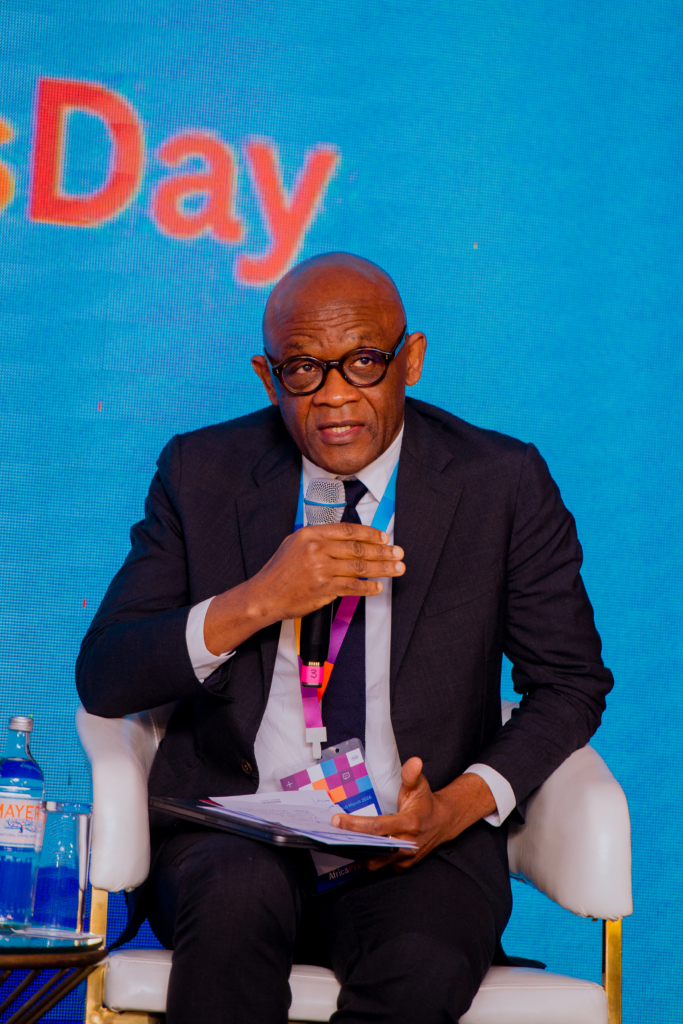
“Between 2020 and 2023, approximately $10 billion was lost in productivity due to cancer in seven African countries,” he said. “That is only one disease area.”
“If we invest in healthcare, we can transform that $10 billion loss into economic gain.”
He cited research showing that investing one dollar in women’s health can generate up to twelve dollars in economic value.
Breast cancer, in particular, has become a priority for Roche because it disproportionately affects women in their prime working years.
“Many women dying from breast cancer in Africa are in their most productive years,” Tchoumi said.
Currently, survival rates in Africa remain significantly lower than in other regions.
“If we do the right things such as education, early diagnosis, and appropriate treatment, survival improves. And when survival improves, productivity improves.”
He described this as a catalytic effect: investing in one disease area can release resources and economic gains that benefit broader health and development priorities.
Beyond the data and projections, the panel converged on a central question: can African economies afford to treat healthcare as a secondary priority?
Doherty was direct. “The focus is not only on whether we can afford to invest in healthcare — but whether we can afford not to.”
She pointed to additional macroeconomic benefits: foreign exchange retention when patients no longer need to travel abroad for treatment, reduced brain drain among healthcare professionals, and the emergence of regional health service trade within Africa.
“Strong health systems reduce the need to seek care outside the continent. That keeps resources within our economies.”
Dr. Mbindyo added that every preventable death before the age of 45 represents decades of lost taxation, consumption and economic participation.
“Investing in health is not a social luxury,” she said. “It is productive capital.”
As the discussion closed, the focus shifted to engagement with ministries of finance which are the ultimate gatekeepers of public spending.
Panelists agreed that the evidence already exists. What is needed now is alignment, scale and urgency.
Governments, they said, must ask:
- What outcomes do we expect from public health investment?
- What incentives should be created to achieve those outcomes?
- How do we strengthen policy dialogue between ministries of health and finance to drive sustainable change?
For the panel, the economic return on health is no longer theoretical. It is measurable in productivity, competitiveness, fiscal stability and human potential.
In a continent projected to house 40% of the world’s workforce by 2050, the message was precise: Africa’s demographic dividend will only become an economic dividend if its people are healthy enough to work, innovate and build wealth. Health, the panel insisted, is not expenditure, it is investment.
Latest Stories
-
Prioritise cocoa sector with better prices, timely payments-Annoh-Dompreh urges NDC
17 minutes -
Lands and Mines Watch Ghana endorses Heath Goldfields’ mining capacity
32 minutes -
Gbintiri residents protest alleged diversion of 24-hour market project
57 minutes -
Justin Bieber headlines Coachella with nostalgia-fuelled set
60 minutes -
Ukraine and Russia accuse each other of hundreds of ceasefire violations
1 hour -
Asha Bhosle: The sound of Bollywood dies aged 92
2 hours -
Fire destroys section of 4-bedroom apartment at Tantra Hill
2 hours -
Safe city: Unnoticeable protection
2 hours -
North East Regional Police Commander raises alarm over burning of checkpoints
2 hours -
Free Primary Healthcare Programme set for take-off — Health Ministry confirms readiness
2 hours -
3 co-wives, 5 children perish in canoe disaster – Maritime Authority insists life jackets use mandatory for all water transport
3 hours -
Iran war lands ‘triple blow’ to flood-ravaged Sri Lankans
3 hours -
Gunmen kill at least 11 people at Afghanistan picnic spot
4 hours -
Woman, 25, in court for stealing baby at Bogoso
4 hours -
Trump unveils giant gold-accented victory arch design for US capital
4 hours