

Audio By Carbonatix
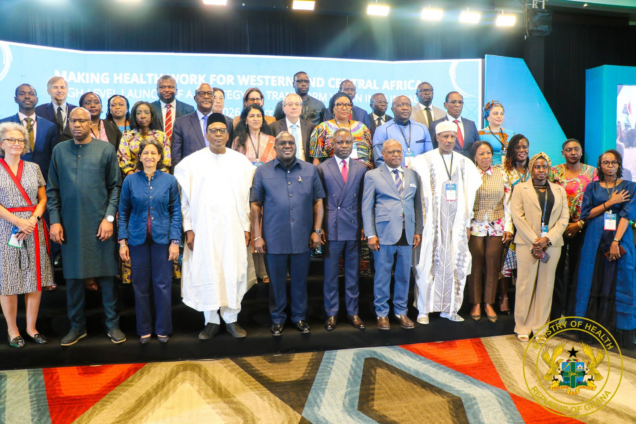
The Ministry of Health, in partnership with the World Bank Group, has launched a Regional Health, Nutrition and Population Strategy aimed at strengthening healthcare systems across West and Central Africa.
Unveiled under the theme “Fit to Prosper", the initiative seeks to address critical challenges such as infectious diseases, malnutrition, and the rising burden of non-communicable diseases, while positioning health as a key driver of economic growth.
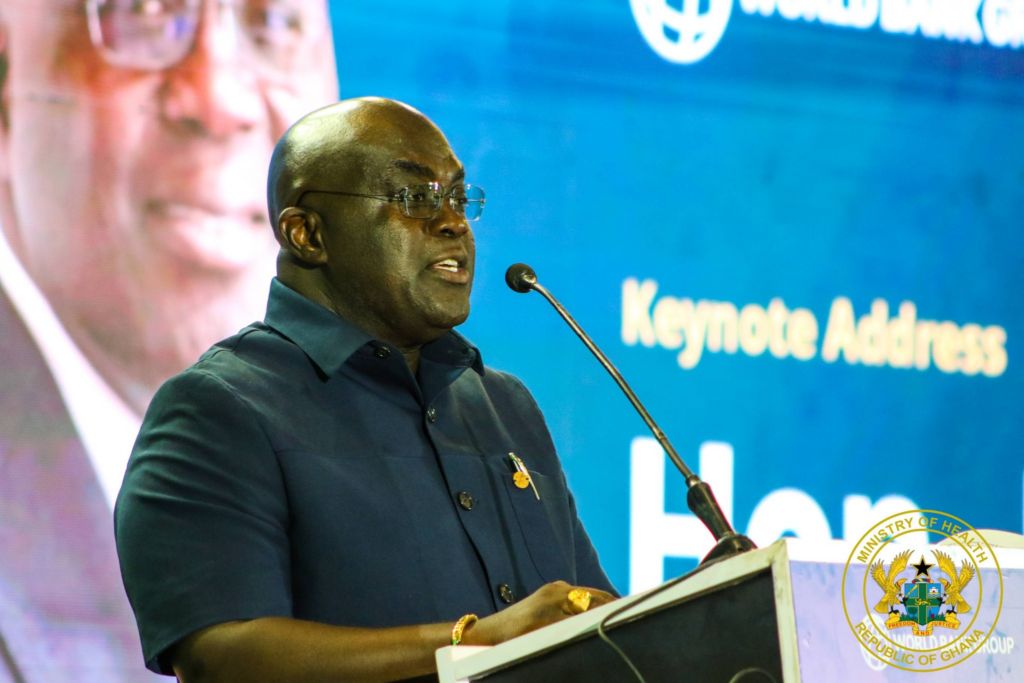
At the launch, the Minister of Health, Kwabena Mintah Akandoh, called for urgent and coordinated action across the region. He stressed that health challenges are interconnected and require collective solutions, noting that no country can achieve meaningful development without a strong and reliable health system.
Mr Akandoh highlighted Ghana’s ongoing efforts to expand primary healthcare, reduce financial barriers, and strengthen infrastructure, workforce capacity, and disease prevention systems.
These measures, he said, are aimed at improving access and building resilience against future shocks.
President John Mahama also underscored the importance of health to Ghana’s broader development agenda.
He noted that investments in healthcare go beyond social spending and are essential for productivity, innovation, and national prosperity.
Delivering remarks on behalf of the President, the Chief of Staff, Julius Debrah, outlined key reforms, including the Free Primary Health Care Initiative and efforts to strengthen the National Health Insurance Scheme.
He said these measures are intended to expand access, improve the quality of care, and ensure the long-term sustainability of healthcare financing.
World Bank Division Director Robert R. Taliercio commended Ghana’s leadership and its longstanding partnership with the Bank.
He noted that the country’s progress in improving health outcomes demonstrates the impact of sustained investment and strong policy direction.
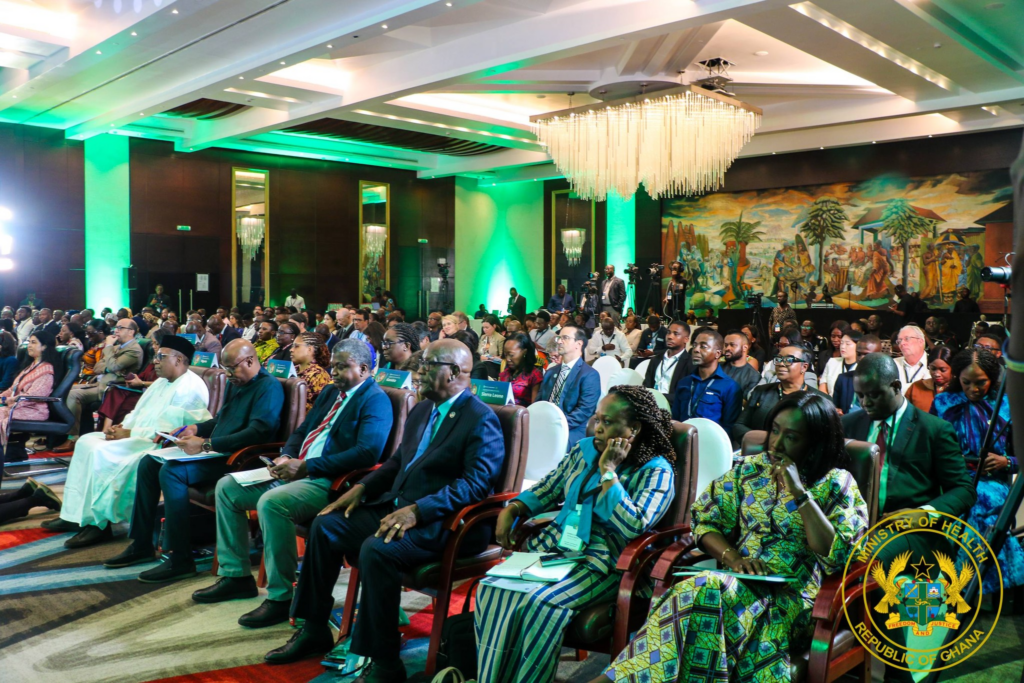
The one-day event brought together Ministers of Health from across West and Central Africa, senior government officials, representatives of the World Bank Group, development partners, health experts, academics, civil society organisations, and private sector stakeholders.
Participants discussed strategies to strengthen regional health systems and improve overall population well-being.
Latest Stories
-
Ghana ranked joint 6th in 2026 Absa Africa Financial Markets Index
40 minutes -
Demand and savings deposits decreased in August 2026, but currency outside banks increased by 4%
1 hour -
Fiscal policy implementation poses downside risk to inflation – BoG
2 hours -
Organised Labour should seek fair adjustment, not excessive pay rise – Labour consultant
2 hours -
BoG maintains medium-term inflation target of 8 ± 2%
2 hours -
Sammi Awuku urges NPP Germany to unite ahead of 2028 elections
3 hours -
The Inconvenient Truth: We cannot pray for the cure while protecting the disease
3 hours -
MTN Ghana trains civil society organisations on artificial intelligence
4 hours -
GoldBod FX framework aims to make dollar supply predictable – Acheampong
4 hours -
How does a Ghanaian team make it to the BAL?
4 hours -
Ghana’s investment climate presents opportunities for industrial growth and job creation.
4 hours -
‘I paid thousands to a company for jobs that never came’
5 hours -
SSNIT intensifies informal sector enrolment drive with Techiman float
5 hours -
Ghana seeks long-term mining investments that benefit local communities – Armah-Kofi Buah
5 hours -
GHATOF demands compensation for 85 businesses affected by La Pleasure Beach demolition
5 hours