

Audio By Carbonatix
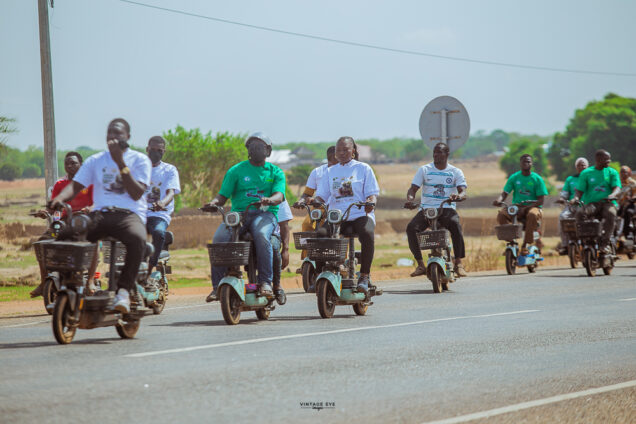
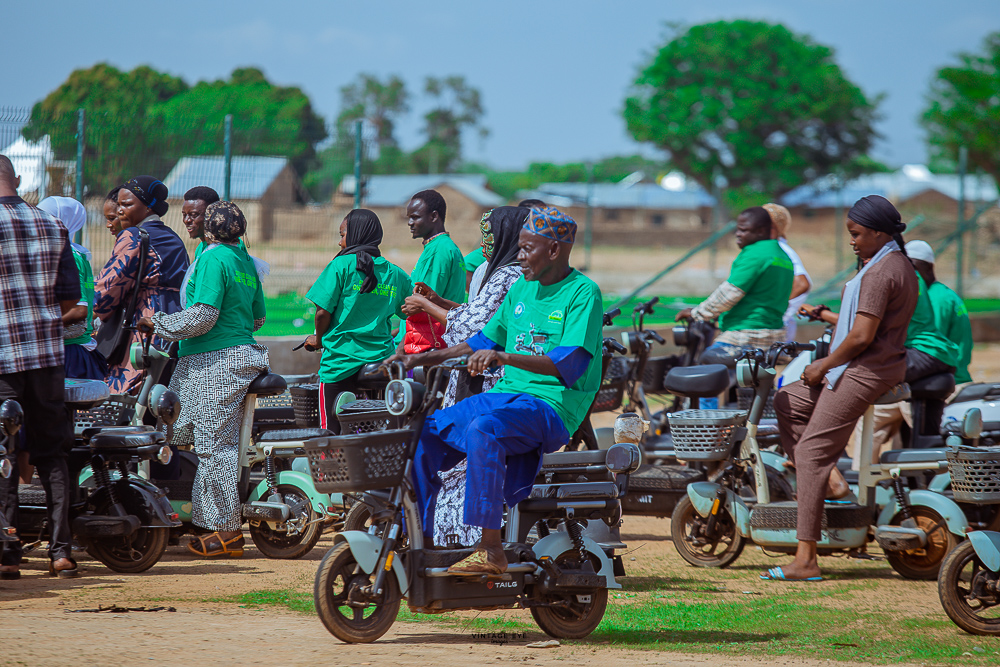
In the northern Ghanaian town of Bawku, the soft hum of electric motorcycles now fills the streets as residents took part in activities ahead of World Environment Day, following a shift away from petrol motorbikes in recent years linked to local restrictions and changing transport patterns.
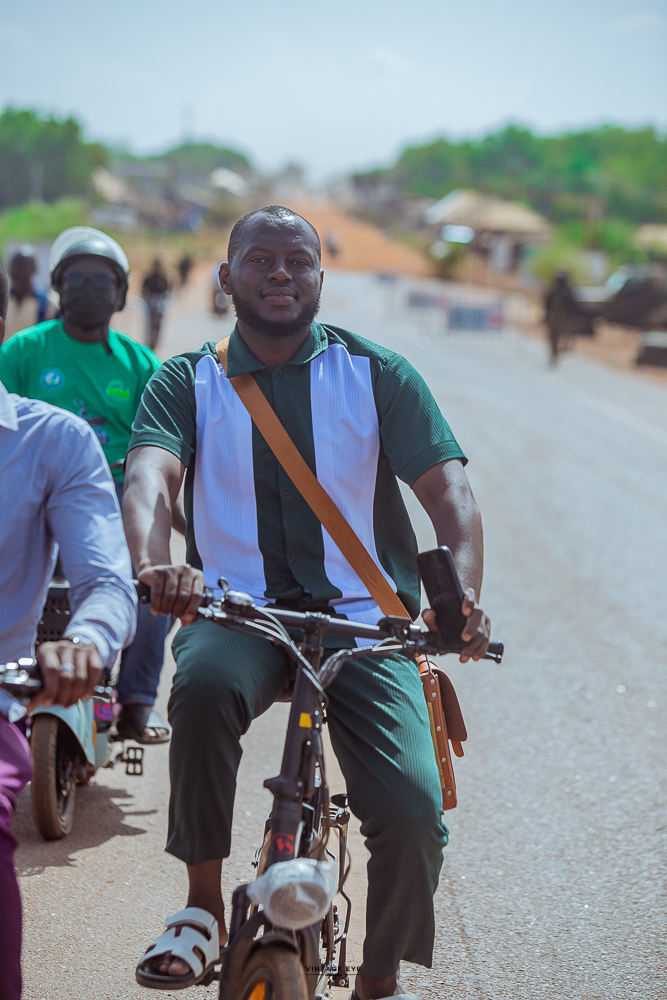
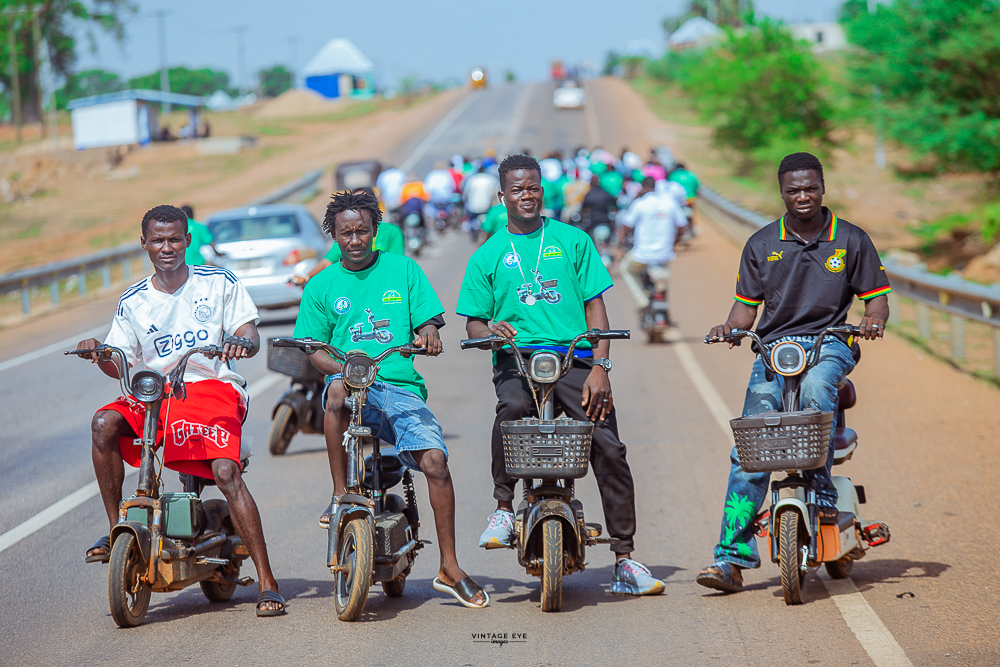
Hundreds of people joined a community campaign called “Ride for Clean Air,” using electric motorbikes to draw attention to cleaner transport, improved air quality, and the need for stronger action on climate change.
Electric motorcycles have become the main form of motorized transport in Bawku in recent years, following restrictions on petrol-powered motorbikes during periods of local unrest. The change, which began around 2023, has contributed to the rapid adoption of electric mobility in the area, alongside growing interest in cheaper and cleaner transport options.
The event brought together electric motorcycle riders, environmental advocates, journalists, government officials, and community members, who rode through the principal streets of Bawku in a coordinated awareness campaign.
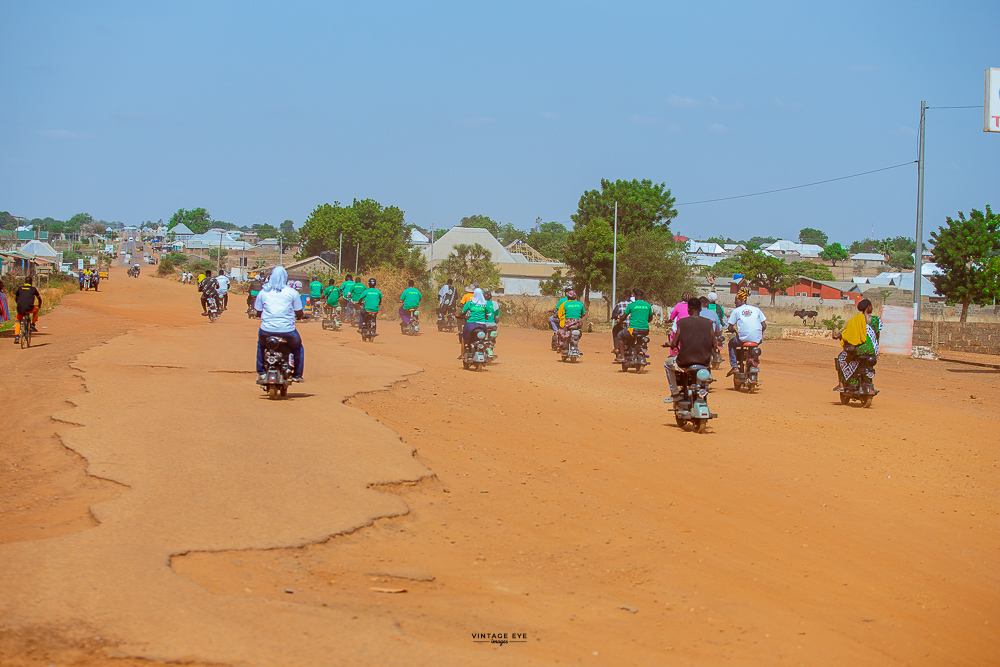
For many participants, the ride was a message that climate action is not only decided in global meetings, but also shaped by everyday choices at the community level.
Electric motorbikes are becoming more common in Bawku, where residents use them for commuting, small businesses, and daily transport needs.
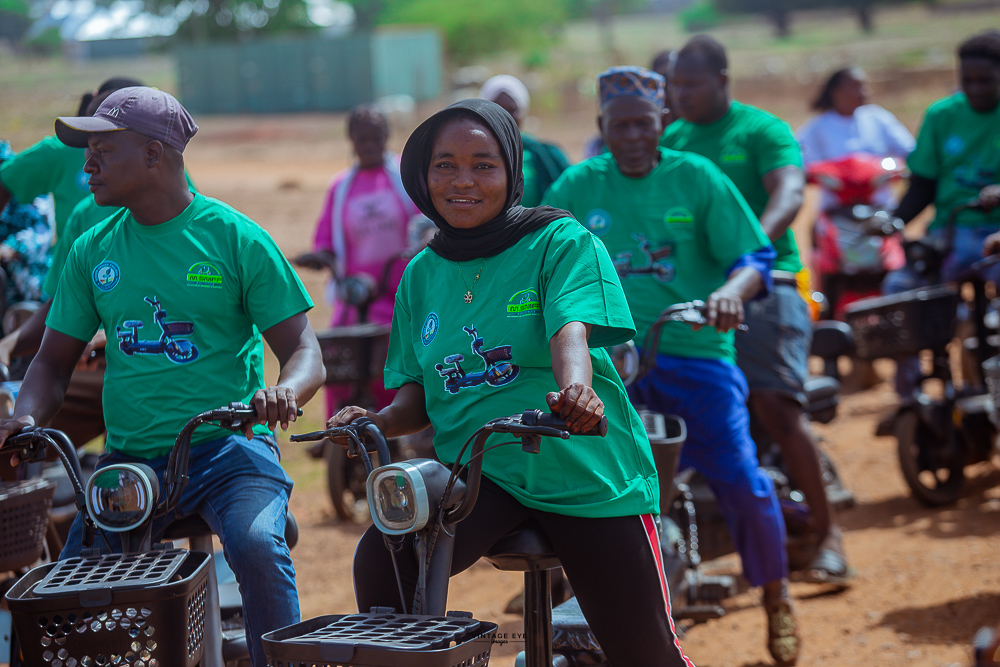
What makes the shift notable, according to organizers, is that it has largely been driven by ordinary users rather than government subsidies or major external incentives. Riders say the bikes help reduce fuel costs while also cutting down air pollution in the town.
Speaking at the event, Chief Executive Officer of M. Sniff Business Hub – Electric Bike Ghana, Hakeem Girma, said the change shows what is possible when cleaner technology is made accessible.
“Many people think climate change can only be addressed through major international agreements and large investments. But it also starts with how we travel, how we use energy, and how we care for our environment,” he said.

He said the increasing use of electric motorcycles in Bawku shows that communities are willing to adopt cleaner transport when it is affordable and practical.
“Just a few years ago, very few people imagined electric bikes would become part of everyday life here. Today, they are helping people commute, transport goods, and carry out daily activities while reducing fuel consumption and air pollution,” he said.
According to him, every electric motorcycle on the road helps to reduce emissions, lower dependence on fossil fuels, and improve air quality.
Policy gap for grassroots users
While Ghana has introduced incentives for electric vehicles, stakeholders say these policies are not fully reaching grassroots electric motorcycle users.
Mr Girma said riders at community level continue to face high costs due to import duties and other charges on electric bikes.
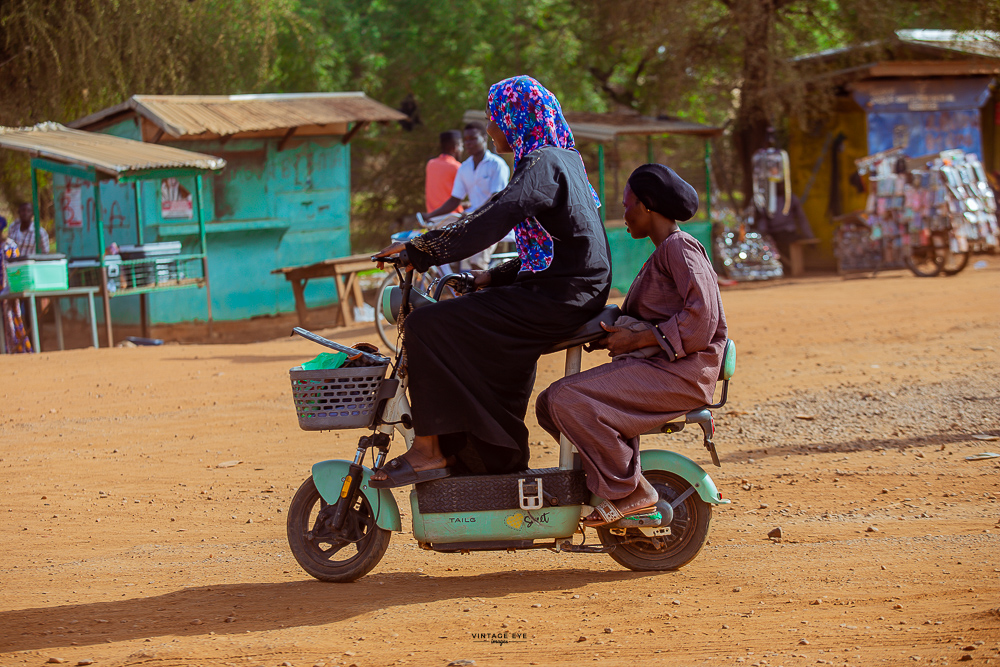
He argued that this limits wider adoption, especially among low-income workers who depend on motorcycles for their livelihoods.
“Electric vehicle incentives exist in policy discussions, but they are not reaching the grassroots level where most transport happens. The riders in places like Bawku are the real drivers of this transition, yet they carry the highest cost burden,” he said.
He called for targeted support for electric motorcycles, including reduced import duties, access to affordable financing, and investment in charging infrastructure at community level.
According to him, such measures would help speed up the shift to cleaner transport, reduce emissions, lower transport costs, and improve public health. Beyond the challenges, Mr Girma said Bawku stands out as a strong example of what community-driven climate action can achieve in practice.
He said the town is already demonstrating what the future of low-carbon transport could look like, even without large-scale government intervention.
“I believe Bawku should be studied, supported, and celebrated as a model for cleaner transportation and improved air quality,” he said.
“What is happening here offers valuable lessons for other municipalities, regions, and even other countries seeking practical solutions to environmental challenges.”
Linking clean transport with tree planting
As part of the World Environment Day activities, organizers also launched a “One Rider, One Tree” campaign to combine clean transport with environmental restoration.
A total of 200 tree seedlings were distributed to participating riders for planting in their communities. The seedlings included 100 mahogany trees, 50 cassia trees, and 50 neem trees.
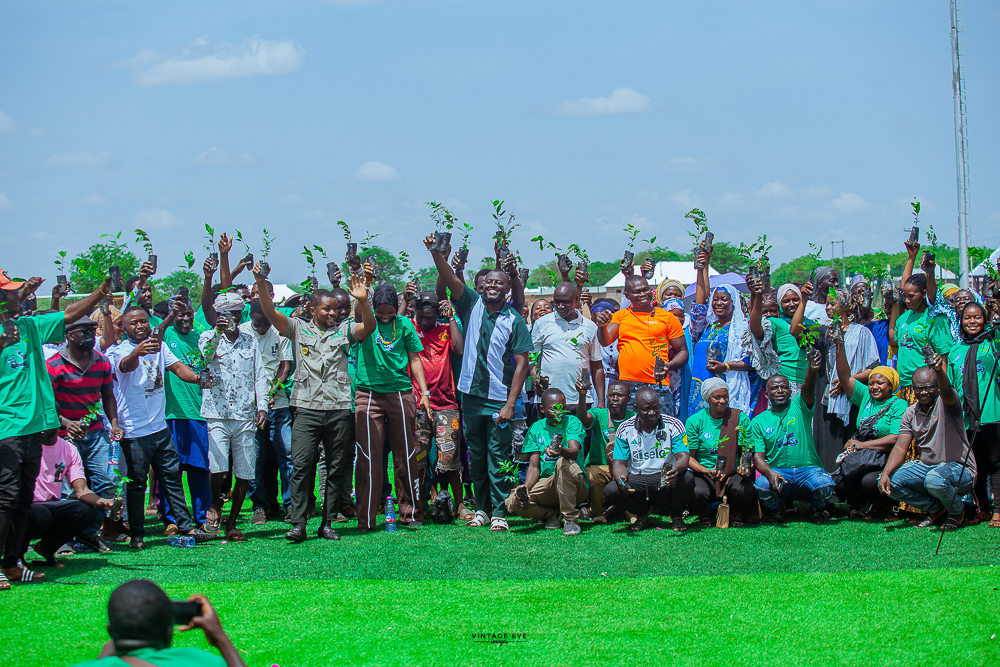
Some of the seedlings were also planted at the Kpalugu Primary and Junior High School in the Binduri District, where organizers said more trees will be planted in the coming days as part of ongoing efforts to expand green spaces in schools and communities.
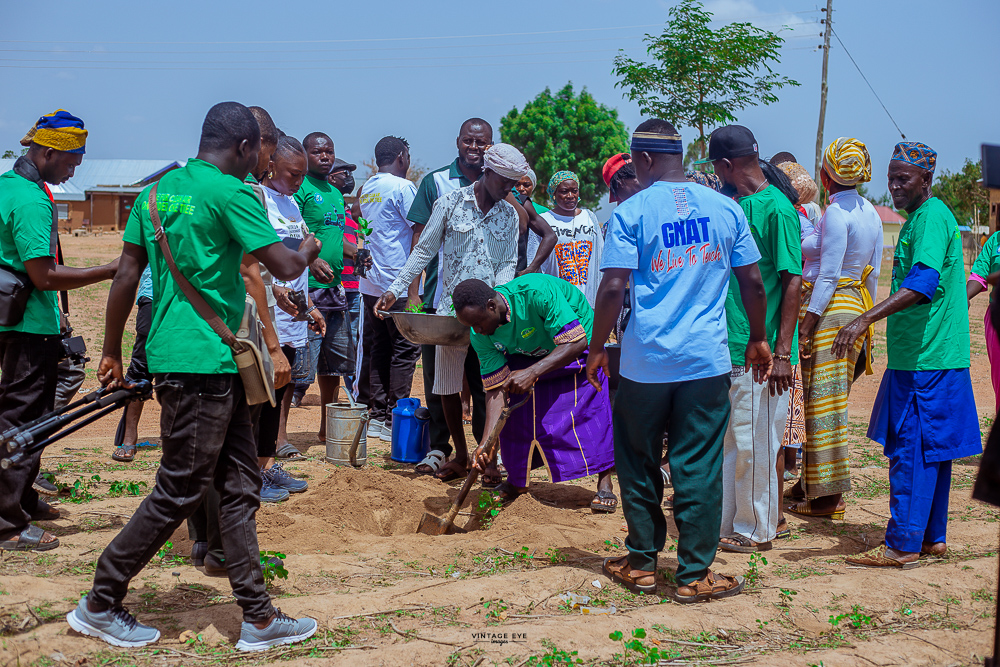
Organizers said the initiative is aimed at restoring degraded environments, strengthening climate resilience, and encouraging long-term community participation in tree planting.
Participants who received seedlings were also registered for follow-up monitoring, which will track the survival and growth of the trees in the coming months. Organisers say the system is designed to ensure that the trees planted survive and deliver their intended environmental benefits.
Officials from Ghana’s Forestry Commission took part in the event and supported the tree distribution exercise.
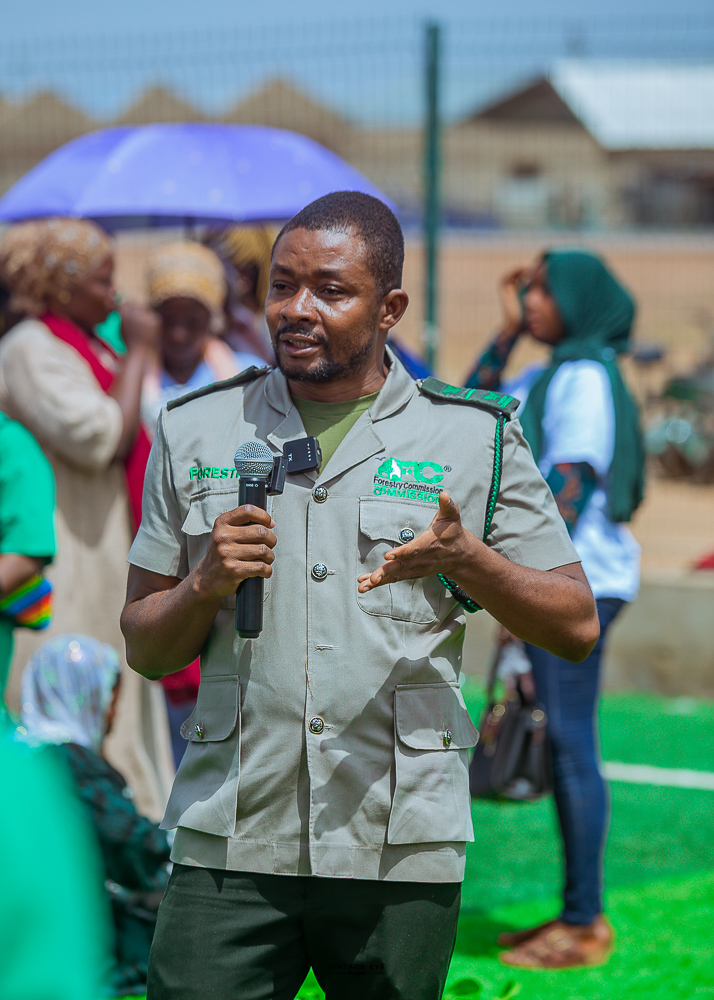
The District Manager of the Bawku Forest District, Seidu Adams, said tree planting remains one of the most effective ways of restoring degraded land and improving environmental resilience.
“Trees play a critical role in environmental protection. They improve air quality, support biodiversity, and contribute to climate change mitigation and adaptation,” he said.
He added that the Forestry Commission would continue to support afforestation efforts through future Tree for Life campaigns.
A local model for climate action
Environmental advocates say the combination of electric mobility and tree planting offers a practical model for community-led climate action.
They argue that investment in clean transport, urban greening, and environmental education can help improve air quality, reduce emissions, and support healthier communities.
Participants called on policymakers and development partners to give greater attention to community-driven climate initiatives, saying they can deliver immediate environmental and social benefits.
As countries continue to search for solutions to the climate crisis, the experience in Bawku suggests that meaningful action does not always begin in boardrooms or global summits, but sometimes in the quiet hum of electric motorcycles on local streets, and in the planting of trees in community soil.
Latest Stories
-
Livestream: The Law examines lawful arrest in Ghana
1 minute -
Mahama urges African governments to treat healthcare as an investment, not budget cost
37 minutes -
Bawumia congratulates John Boadu and new NPP executives, pledges support ahead of 2028
38 minutes -
‘No talent should be left out’ – Bawumia pledges inclusive NPP campaign for 2028
44 minutes -
Prof. Mike Oquaye recounts how he blocked Special Prosecutor’s attempt to arrest Bawku Central MP
60 minutes -
Make health sovereignty a priority for Africa – Mahama
1 hour -
Dorimon Naa, Wa West DCE lead massive clean-up exercise; threaten sanctions against recalcitrant residents
1 hour -
Photos from Adom FM Y2K Jam
2 hours -
Praye Tiatia steals the show at Adom FM Y2K Jam [Watch]
2 hours -
Boakye Agyarko congratulates John Boadu, pledges support for NPP leadership
2 hours -
Antwi HiMight thrills fans with Antwi ne Antwi hits at Adom FM’s Y2K Jam [Video]
2 hours -
Amb. Edward Boateng congratulates Boadu, Kodua on election wins
2 hours -
John Boadu pledges to rebuild NPP from grassroots and restore ‘winning machinery’
3 hours -
Ashaiman Assembly deploys monitoring system to curb dumping in storm drain
3 hours -
John Boadu must rebuild, unite NPP for 2028 – Edward Boateng
3 hours