

Audio By Carbonatix
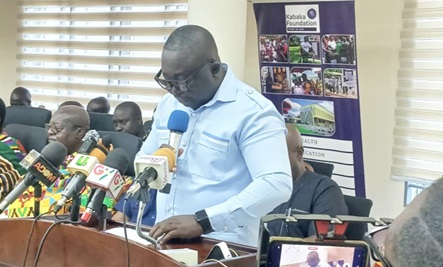
The Eastern Regional Chairman of the National Peace Council, Dr Mark Boadu, has stated that the intake of illicit drugs and alcohol among the youth is no longer a health crisis but a security threat to the country.
He, therefore, called on all, especially relevant stakeholders, to join forces to address the issue before it gets out of hand.
Dr Boadu made the call during the commemoration of this year’s International Peace Day celebration in Koforidua, the Eastern Regional capital, last Thursday.
The event, on the theme: "Act Now for a Peaceful World: Addressing Youth Substance Abuse as a Pathway to Violence Prevention", was attended by the Eastern Regional Minister, Rita Akosua Adjei Awatey; the Regional Coordinating Director, Yaw Adu Asamoah, and the Regional Education Director, Dr Ivy Asantewaa Owusu, among other dignitaries.
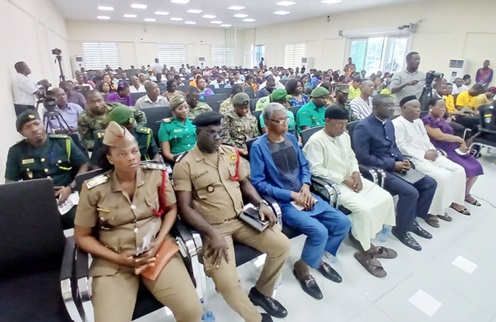
The Paramount Chief of the New Juaben Traditional Area, Daasebre Kwaku Boateng III; the Aburihene and Adontenhene of Akuapem, Otoobour Djan Kwasi, and the Nkosouhene of Kwahu Nkwatia, who is also the Eastern Regional Ambassador of the Peace Council, Nana Owiredu Wadie, were also present.
Others were the municipal and district chief executives (MDCEs) of New Juaben South and North, heads of departments and agencies, members of the Regional Peace Council, youth and women groups in the region, students and religious bodies.
Dr Boadu averred that the youth with potential were being lured into illicit drugs and alcohol, and if not checked, would lead to violence in society.
He explained that substance abuse impaired the judgment of the users; as such, they behaved aggressively to engage in physical violence and conflicts.
Dr Boadu also stated that substance abuse created a financial burden, leading the youth to resort to theft, robbery and other crimes just to get money to take care of their addictions.
Substance abuse also fractured the fabric of communities, breeding distrust, fear and insecurity, while destroying the individual’s capacity for learning, productivity and formation of gun and violence groups.
Dr Boadu stressed that Ghanaians must "act now” to shield the youth from such a menace.
The Regional Peace Council Chairman appealed to parents, families, educational institutions, and traditional and religious leaders to act in concert to fight the menace.
The Eastern Regional Minister, who pointed to conflicts in the country and in other countries displacing millions of people, with the associated harrowing stories, said they were undesirable circumstances that should be dealt with in dispatch.
"This year’s celebration is a reminder for us to come together to promote peace,” Ms Awatey said, stressing that peace was the very foundation upon which every society thrived.
"As we reflect on the significance of peace, we are also reminded of the pressing threats, among which is the increasing menace of youth substance abuse”.
"The abuse of drugs and harmful substances among our young people does not only destroy their potential but also fuels crime, violence and insecurity in our communities,” the Regional Minister stated.
Ms Awatey called on stakeholders to rise to the occasion and speak against violence, hate speech, discrimination, inequalities and substance abuse.
“Peace is not just a vision; it is a call to action that each and every one should answer by promoting understanding, respect and justice in daily lives,” the minister charged.
"When violence threatens, let us defend with dialogue.
When poverty silences voices, let us empower with development,” she added.
For his part, Daasebre Kwaku Boateng III, who chaired the event, advised parents and guardians to keep an eagle eye on their children and wards as they were likely to be influenced by their peers during their formative years to get themselves involved in illicit drugs and alcohol.
"As stakeholders, it is imperative to demand that we identify the specific threats to our collective peace and confront them with courage and seriousness,” he stated.
The Eastern Regional Peace Council’s Ambassador, Nana Owiredu Wadie I, urged the youth to choose life and not drug addiction, as they constituted Ghana's future leaders and protectors of peace.
Latest Stories
-
Atta Akyea fumes as Manhyia MP is to spend another night in EOCO custody
7 minutes -
SSNIT says La Beach clearance was to protect hotel investments, beaches to remain public
58 minutes -
APSU congratulates St Augustine’s College after back-to-back National Investment Quiz wins
1 hour -
Renewed flood intervention at Mallam Junction raises hopes among residents, businesses
2 hours -
St Augustine’s College retain National Investment Quiz title after nail-biting grand finale
2 hours -
Education infrastructure investment will drive Banda’s development – Ahmed Ibrahim
2 hours -
Teacher unions strike: Gov’t presents fresh proposals as talks end inconclusively
3 hours -
51,000 teachers’ promotion arrears to be validated for October payment – Education Minister
3 hours -
Kwabena Boamah appointed Board Chair for Impact Investing Ghana
3 hours -
Striking teacher unions to meet Fair Wages and Salaries Commission on October 6
4 hours -
EOCO working with AG to arraign Nana Baffour Awuah before weekend court
4 hours -
Duraplast reassures customers after fire, announces October 5 reopening
4 hours -
Call off strike, gov’t will not renege on promotion arrears pledge – Haruna Iddrisu to teacher unions
4 hours -
Committee set up to validate teachers eligible for 20% deprived-area allowance – Education Minister
4 hours -
Five-member committee to search for new Black Stars coach after Sports Ministry-GFA meeting
4 hours