

Audio By Carbonatix
For more than five decades, illegal mining, popularly known as galamsey, has remained one of Ghana’s most stubborn national challenges. Its impact cuts across the social, economic, cultural and environmental fabric of the country. Despite several government interventions, military deployments and public campaigns, the problem keeps resurfacing. The persistence of galamsey suggests something deeper: the very actors expected to solve the crisis are, in many ways, connected to the systems sustaining it.
Recent events, from the destruction of farmlands in Manso to the pollution of the Birim and Ankobra Rivers reported earlier this year, remind Ghanaians that the fight is far from over. The issue is not simply about illegal miners but about politics, regulation, unemployment, technology and a changing national value system.
Contributors of Galamsey
One of the biggest drivers is campaign financing. Election seasons often come with a surge in illegal mining activities as politicians seek funds from powerful financiers, some of whom have questionable connections to mining concessions. Ahead of the 2024 elections, for instance, videos circulated online showing political financiers displaying gold bars from their supposed legal concessions yet many of these operations were suspected to be linked to illegal sites.
This mirrors earlier controversies, such as the 2023 reports of party-affiliated individuals operating illegally in forest reserves despite government crackdowns. When those who shape policy benefit from mining proceeds, genuine enforcement becomes difficult.
Another concern is the weak monitoring of the financial activities of party financiers. Many hold small-scale mining licences but move their operations to water bodies or protected forests, where verification is limited. Regulatory bodies have struggled to effectively track such diversions.
Weak Regulation, Poor Tracking
Several investigative reports have highlighted how heavy-duty machines were used for galamsey. The excavators and bulldozers costing up to $50,000 enter the country without proper VIN documentation. In 2020, after the government announced a seizure of excavators, many mysteriously vanished. Without accurate tracking at the ports, monitoring these machines becomes nearly impossible.
This exposes serious gaps within regulatory systems meant to protect our lands and rivers.
Nepotism and Selective Justice
Nepotism also plays a role. The issuance of more than 100 mining licences near the end of an administration’s term raises questions about transparency and fairness. Beyond that, the involvement of some foreign nationals, especially Chinese operators, continues to complicate the fight. There have been recorded cases where arrested foreign galamsey suspects disappeared after detention, while local youths faced harsher penalties.
This creates the perception of selective justice and undermines public trust in governance.
Gaps in Innovation and Education
Galamsey thrives partly because Ghana has not invested enough in modern mining technologies that allow safe, low-impact mineral extraction. Small-scale miners often rely on outdated and environmentally destructive techniques.
Traditional values of environmental protection, once taught in schools and practised in communities, have faded. Today, different professionals view the galamsey problem from different angles, yet the education system rarely offers a united, multidisciplinary approach to help students understand the full picture of environmental responsibility.
Youth Unemployment and the Rush for Quick Wealth
High unemployment continues to push thousands of young people into galamsey. For many rural families, illegal mining is the fastest option for income, despite the risks.
The desire for fast money has also grown, fueled by social pressure, political displays of wealth and a lack of economic opportunities. As long as young people believe galamsey is their only path to survival or success, the practice will continue.
The Way Forward
The key to eradicating galamsey is providing sustainable alternative livelihoods. Force alone cannot solve the problem. Lasting change requires tackling unemployment and underemployment, especially in mining communities. Government and private sector actors can support alternative income sources such as livestock rearing, vegetable farming, vocational training and guaranteed market access for local produce. When communities have stable economic opportunities, they are far less likely to depend on illegal mining.
Strengthening regulations and deploying technology are also crucial. All excavators and bulldozers imported into Ghana should be fitted with GPS or similar tracking devices. Customs and the Minerals Commission must ensure that VIN numbers are properly recorded and verified. Regular inspections at registered mining sites should be mandatory to confirm that operations remain within approved boundaries. Clear penalties must be applied consistently and without political or personal interference.
The government must also reform the system to serve the public good rather than a select few. Licensing processes should be transparent, and state agencies must be insulated from political pressure. Ghana’s mining laws need updating to reflect the scale and complexity of today’s galamsey challenges.
Finally, restoring community values through the education system can help revive cultural practices that once protected the environment. Integrating environmental stewardship, civic responsibility and indigenous conservation knowledge into school curricula will help young people develop a stronger sense of communal duty. This approach can counter the growing “quick-money” mindset and nurture a generation that values sustainability.
Conclusion
Galamsey has survived decades of policy interventions because the problem is deeply rooted in governance, politics and economic hardship. There is undeniable evidence of complicity at multiple levels of the system. While punitive measures have their place, the real solution requires strategy, innovation and an honest commitment to reform.
Ending galamsey is not a battle of force; it is a test of leadership, integrity and national will. Through transparent regulation, practical alternatives for communities and a renewed sense of environmental responsibility, Ghana can build a stronger social contract and finally turn the tide against illegal mining.
********
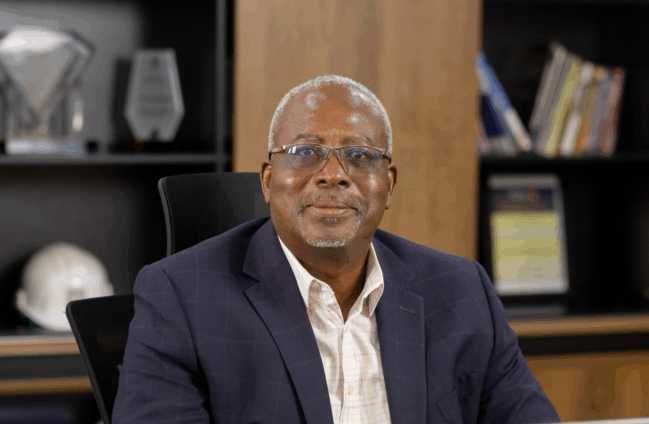
Prof. Fred McBagonluri is the President, Academic City University
Latest Stories
-
Drug money allegedly finances Ghana’s political parties and real estate – Global Organised Crime Index
2 minutes -
NSA outlines seven steps for successful posting and validation of national service personnel
3 minutes -
GPRTU taskforce clamps down on unapproved fares at Kasoa
4 minutes -
Prime Insight: Making room for meaningful national conversations on Joy Prime
15 minutes -
FABAG commends Ato Forson’s over removal of 20% excise duty on locally manufactured fruit juices
22 minutes -
HIV stigma discourages testing, prevention and treatment in Ghana – Ghana AIDS Commission
24 minutes -
Blocking cocaine probe lends weight to claims of political protection for traffickers – Assin South MP
28 minutes -
NPP Vice Chair race: I may be the youngest, but most experienced – Nana B
30 minutes -
Last UK and US troops leave Iraq as anti-Islamic State mission ends
30 minutes -
Don’t stay home idle, embrace entrepreneurship while awaiting posting – Unemployed nurses urged
42 minutes -
Aayalolo buses not speeding on contra-flow lanes – GAPTE assures commuters
45 minutes -
Effia MP calls for Kurt Okraku’s removal, overhaul of Ghana football structure
46 minutes -
CAS hearing on AFCON final appeal by Senegalese Football Federation set for October 8
46 minutes -
STC fares to go up by up to 8% this week – Deputy MD
47 minutes -
Photos: Accra-Kumasi bypasses get new lease of life as contractors return to site
47 minutes