

Audio By Carbonatix
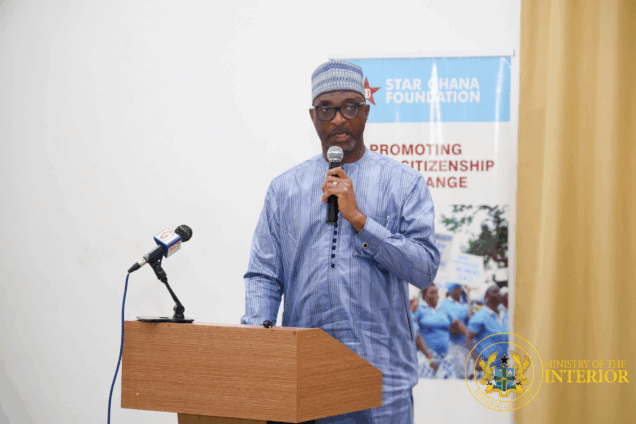
The Minister for the Interior, Muntaka Mohammed-Mubarak, has called for urgent and collective action to address the growing security challenges facing Northern Ghana.
He warned that the threat of terrorism is real and persistent.
The minister made the call at the 6th Dialogue of State and Non-State Actors on Peace and Security in Northern Ghana, held in Tamale, which brought together key stakeholders to deliberate on ways to strengthen peace and security in the region.
- slot pulsa
- situs slot 5000
- slot deposit 5000
- royalhoki77
- https://poolsafetygroup.com.au/what-we-do/
- https://patorama.com.au/helicopter-photography/
- https://reactmaintenancegroup.com.au/electrical-maintenance/
- https://www.100plumbing.com.au/work-with-us/
- slot maxwin
- https://finishingblade.ca/Banner/
- https://tubulousaustralia.com.au/gallery/
He highlighted Ghana’s reputation as a beacon of peace in a volatile sub-region but cautioned that this stability is increasingly at risk. “While Ghana has not yet suffered a terrorist attack on its soil, the threat is real, persistent, and closer than ever before,” he warned.
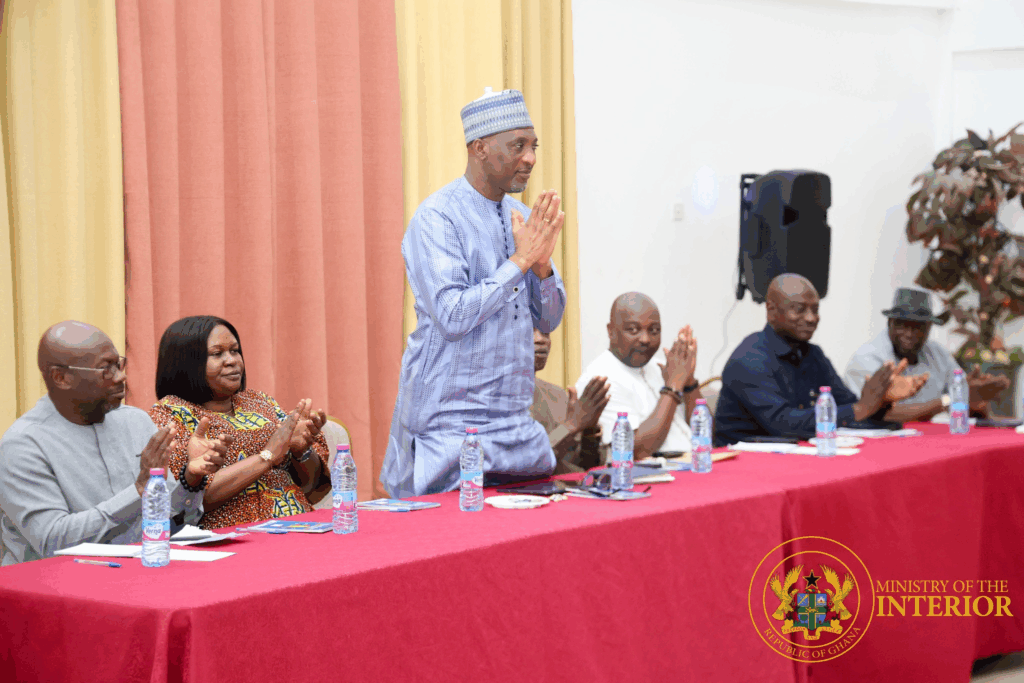
He stressed that tackling emerging security threats requires a comprehensive and inclusive approach, saying peace is not just “the absence of conflict, but the presence of justice, opportunity, and mutual respect.” The Minister urged participants to engage the dialogue with “empathy and innovation” to ensure a peaceful and prosperous Northern Ghana.
He further called on stakeholders to focus on building trust between communities and security agencies, investing in youth employment and development, and empowering women and traditional authorities. He also encouraged responsible media engagement to promote peacebuilding and counter misinformation.
In his remarks, the Northern Regional Minister, Ali Adolf John, outlined some of the region’s pressing security issues, including the Bawku conflict, the Bimbilla chieftaincy stalemate, and the Nanton chieftaincy crisis.
He noted that the region’s proximity to neighboring countries makes it particularly vulnerable to violent extremism spillovers, emphasising the need for a coordinated and sustained response.
He added that beyond extremism, Northern Ghana continues to grapple with chieftaincy disputes, land conflicts, substance abuse, and cross-border crimes, which all undermine peace and development efforts.
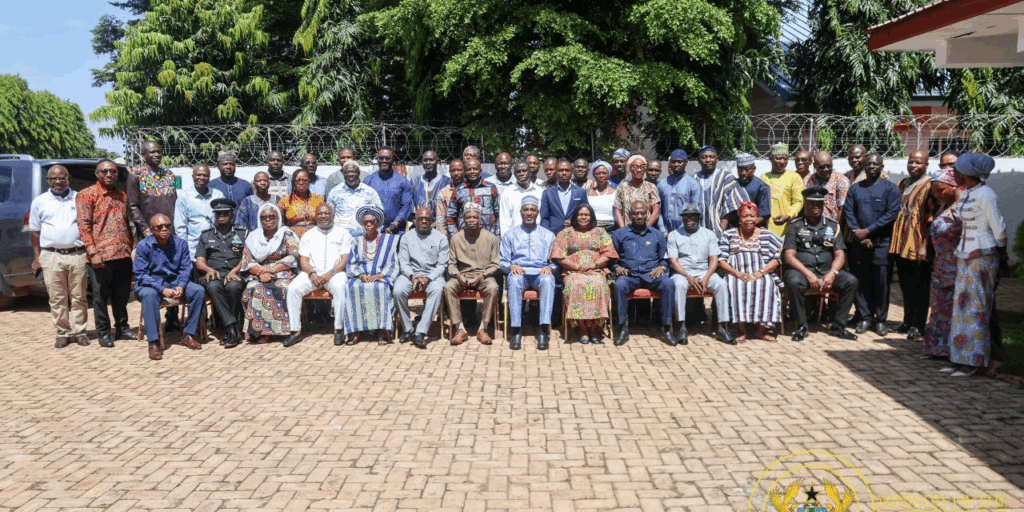
The dialogue, organised by the STAR-Ghana Foundation and its partners, brought together Regional Ministers from the Northern, North East, Savannah, Upper East, and Upper West Regions, alongside representatives of security agencies, civil society organisations, traditional and religious leaders, and community stakeholders.
Latest Stories
-
Power restoration fault suspected in Kumasi Central Market fire
4 hours -
The 7-foot giant of Ngleshie Amanfro: Seven-foot Ghanaian Ephraim Saawa dreams of joining the national basketball team
5 hours -
Government promises support for Kumasi Central Market fire victims
5 hours -
Vibes The Movie: Big Ghun’s Ghanaian film earns five nominations at 2026 REFFA
5 hours -
MamaCare CEO warns unresolved conflicts among health workers could undermine maternal and neonatal care
6 hours -
Health professionals urged to translate medical knowledge into practice to save mothers
6 hours -
Conflicts among care providers linked to maternal, neonatal deaths – Expert
7 hours -
GIS marks 10th TIME conference, champions improved teaching practices
7 hours -
BRICS Or Balance? What Ghana’s bid really means
8 hours -
GPRTU wants full TRAFFITECH-GH implementation to start in 2027
8 hours -
How 10-mile walks for basic education birthed a 50-year legal career for Justice Korbieh
8 hours -
Mahama announces plans to import electric wheelchairs for PWDs
8 hours -
KGL U17 Colts 2026: Western beat Prempeh Elite Academy to set up final final with Greater Accra Region
9 hours -
Late Solanke strike salvages 10-man Spurs draw at Man United
9 hours -
Gender Ministry to monitor welfare of Nana Akua Addo’s children amid domestic violence case
9 hours