

Audio By Carbonatix
Journalists have been urged to avoid sensationalism in their reportage of trauma-related cases by adhering to ethical principles that protect the dignity and well-being of survivors.
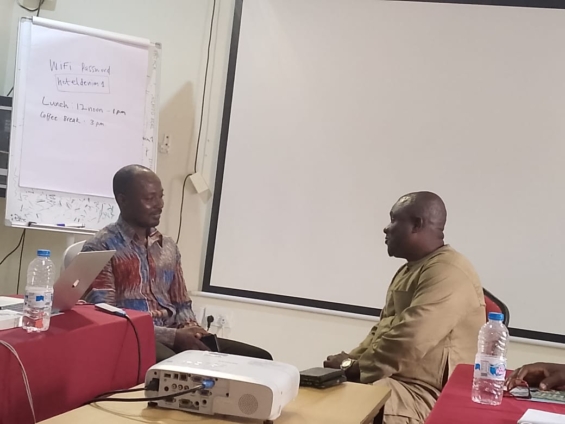
The call was made during a week-long intensive training workshop on trauma reporting organised by DW Akademie, which brought together selected journalists from across the Northern Region.
The training was aimed at building the capacity of journalists to handle sensitive issues with professionalism, empathy, and responsibility.
It was also to ensure that media practitioners prioritise their personal emotional well-being to be able to report professionally.
Facilitated by Madam Sheila Mysorekar of DW Akademie, the workshop involved practical demonstrations and interactive engagements designed to deepen participants’ understanding of trauma-sensitive reporting.
Madam Mysorekar cautioned journalists against using shocking details or graphic descriptions in their stories, noting that such practices could retraumatize both survivors and audiences.
She emphasised that “Journalists must resist the temptation to sensationalise stories for attention and instead focus on affirming the dignity and humanity of survivors.”
She said survivors should never be pressured to recount their experiences if they are not ready and urged journalists to always respect cultural norms and taboos when dealing with sensitive subjects.
She highlighted the importance of seeking explicit consent before revealing the identities of trauma survivors, especially in cases involving minors and other vulnerable individuals.
She explained that ethical trauma reporting required a balance between truth and sensitivity, where facts were presented accurately without causing further harm.
She said, “The responsibility of journalists goes beyond informing the public; it also involves safeguarding the dignity of those whose stories we tell.”
The workshop provided participants with tools and strategies to strengthen ethical standards in their reporting practices with the goal of promoting responsible journalism that contributed to healing rather than harm.
Latest Stories
-
Trump says he is considering firing US ambassador to Greece
2 hours -
Man City bananas ‘brought fun back’, says Varadi
2 hours -
Meta releases Muse Wonder AI models to challenge Anthropic and OpenAI
2 hours -
Daily Insight for CEOs: The CEO as Chief Decision Maker
2 hours -
Burnham had formal meeting with Man City chair while mayor
2 hours -
Is Ghana producing too many lawyers? What is the best lawyer-to-citizen ratio?
3 hours -
NDC sinking Ghana’s democracy with Emelia Agbenyo’s appointment – Miracles Aboagye
3 hours -
Seedorf back in football as Corinthians head coach
3 hours -
Hincapié and Zubimendi injured in post-match training session
3 hours -
Fridges in French supermarkets hit by cyberattack
3 hours -
Qantas flight grounded after bedbug outbreak
3 hours -
Reality Zone with Vicky Wireko: International Day of the Girl, shaping today’s girl for tomorrow’s future – ZONTA Clubs lead the way
4 hours -
Global health must be led by countries, not designed for them – Mintah Akandoh
5 hours -
Mahama honoured at 2026 World Health Summit in Berlin for global health leadership
5 hours -
Breast cancer is not a death sentence – Besease Kontire Obaapanin, Magmina Foundation lead awareness campaign
5 hours