

Audio By Carbonatix
Ten years after a tragic flood and fire disaster claimed over 150 lives and left scores permanently injured, victims of the 3rd June 2015 catastrophe are still waiting for justice.
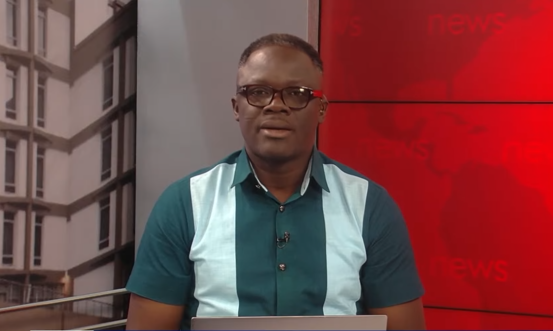
Counsel for the victims and host of JoyNews’ Newsfile, Samson Lardy Anyenini, says he remains hopeful that the courts will rule in favour of the affected families and survivors.
Speaking to the media, Mr Anyenini reiterated the extent of human suffering caused by the incident and the urgent need for a meaningful state response.
“We have demonstrated to the court that people suffered—have suffered permanent disfigurement to their faces, disfigurement to their heads, their arms, their legs, their torsos, their stomachs. This is permanent,” he said.
The twin disaster struck on the night of 3rd June 2015, when torrential rains led to severe flooding in Accra.
Dozens of people, seeking shelter at the GOIL filling station near Kwame Nkrumah Circle, were caught in an inferno when leaking fuel ignited, causing a massive explosion.
A total of 154 people were confirmed dead, with many others sustaining life-altering injuries.
Mr Anyenini acknowledged the government’s initial intervention—paying for the burial of the deceased and covering medical bills for injured victims during their initial hospital stays—but insisted that support since then has been grossly insufficient.
“There were some who spent a week, two, three weeks, a month, and some who spent about six months in the hospital. That’s all the government took. Afterwards, almost all of them have been returning to the hospital for care at their own expense,” he said.
While the victims and their families appreciated the early assistance, Mr Anyenini described it as “woefully inadequate” in meeting the long-term needs of those who continue to suffer the physical and emotional consequences of the tragedy.
The legal case, filed in 2018, seeks a compensation package of approximately GH₵42 million. Though Mr Anyenini concedes that the real value of that amount has been eroded by inflation, he argues that a favourable ruling—or a direct government intervention—could still provide much-needed relief.
“The government can make an intervention that can bring some solace and more meaningful help to them,” he urged.
Latest Stories
-
Make loyalty to NPP a permanent culture, not an election-season tactic – Joseph Cudjoe
8 minutes -
NPP delegates want reform without destroying party’s reputation – Joseph Cudjoe
10 minutes -
Salomey Awiti Baffoe granted GH¢100,000 bail over alleged false news publication
14 minutes -
NPP is for all social classes, not just the middle class – Mike Oquaye
20 minutes -
Freezy Mɑcbones wins WBO Africɑ Light Heɑvyweight title in Lɑgos, Nigeria
22 minutes -
John Boadu is ‘an exceptionally gifted political figure’ – Prof Mike Oquaye
39 minutes -
NDC must study NPP congress closely for strategic lessons – Mustapha Gbande
45 minutes -
NDC has built strong structures to face any electoral challenge – Mustapha Gbande
55 minutes -
John Boadu can appeal across Ghana’s social groups – Prof Mike Oquaye
1 hour -
‘Electing Kojo Bamba is backward politics’ – Mustapha Gbande
1 hour -
Government must order payment of promoted teachers’ salaries – GNAT
1 hour -
Meet Sethina Edem Sunu, the healthcare professional eyeing the NDC UK & Ireland deputy organiser role
2 hours -
The myth of ‘sophisticated customer experience’ in the digital age
2 hours -
What happened to lands reserved for sanitary sites? -WasteCare CEO calls for audit
2 hours -
Manasseh Writes: The shift in the NPP
2 hours