

Audio By Carbonatix
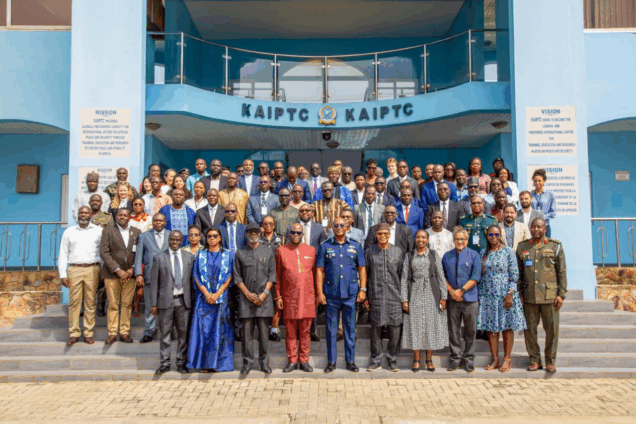
The Kofi Annan International Peacekeeping Training Centre (KAIPTC) has convened a high-level Regional Dialogue on Weapons and Ammunition Management (WAM), emphasising the critical role of integrated arms and ammunition control in preventing violent conflicts and extremism across the Gulf of Guinea and the wider Sahel region.
The event was held under the theme, “Strengthening Weapons and Ammunition Management as a Preventive Strategy Against Violent Conflicts and Extremism in the Gulf of Guinea and Beyond,” and was convened by the United Nations Development Programme (UNDP) with generous support from the Government of Japan.
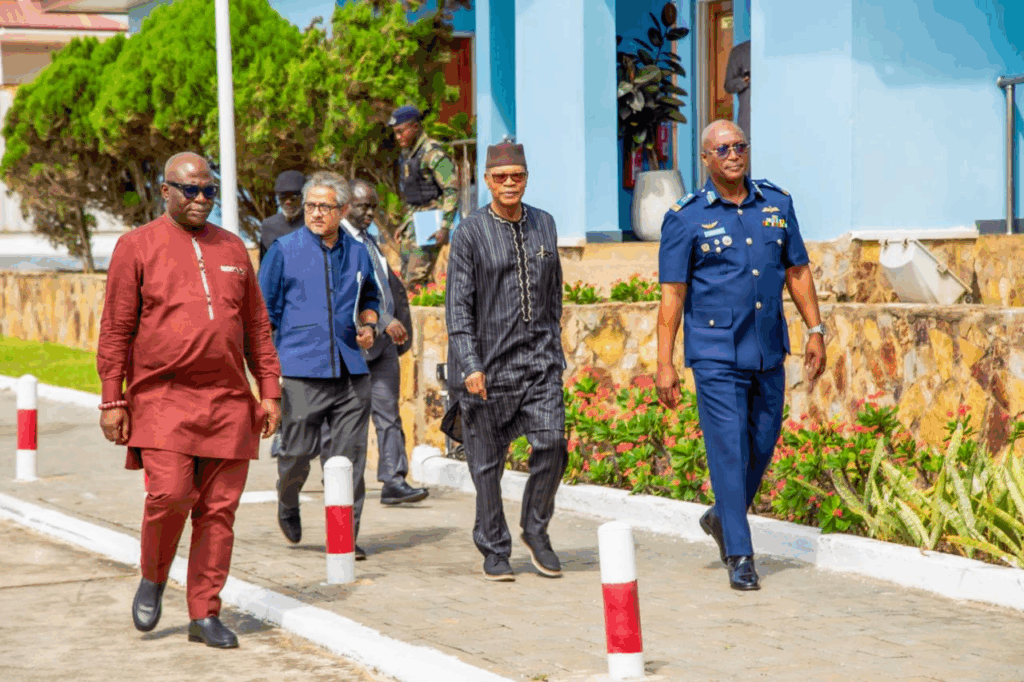
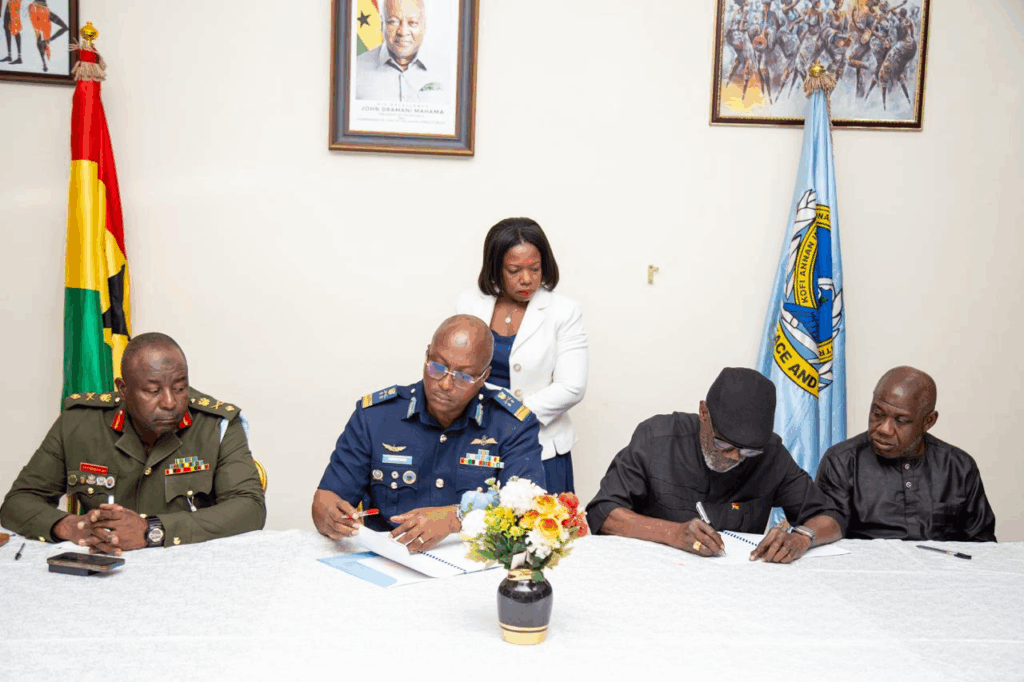
The dialogue comes on the heels of a Memorandum of Understanding (MoU) signed between KAIPTC and the Sahel States, represented by Ghana’s Special Envoy to the Alliance of Sahel States, Larry Gbevlo-Lartey.
Welcoming participants, the Commandant of KAIPTC, Air Vice Marshal David A. Akrong, stressed the urgency of strengthening weapons and ammunition management.
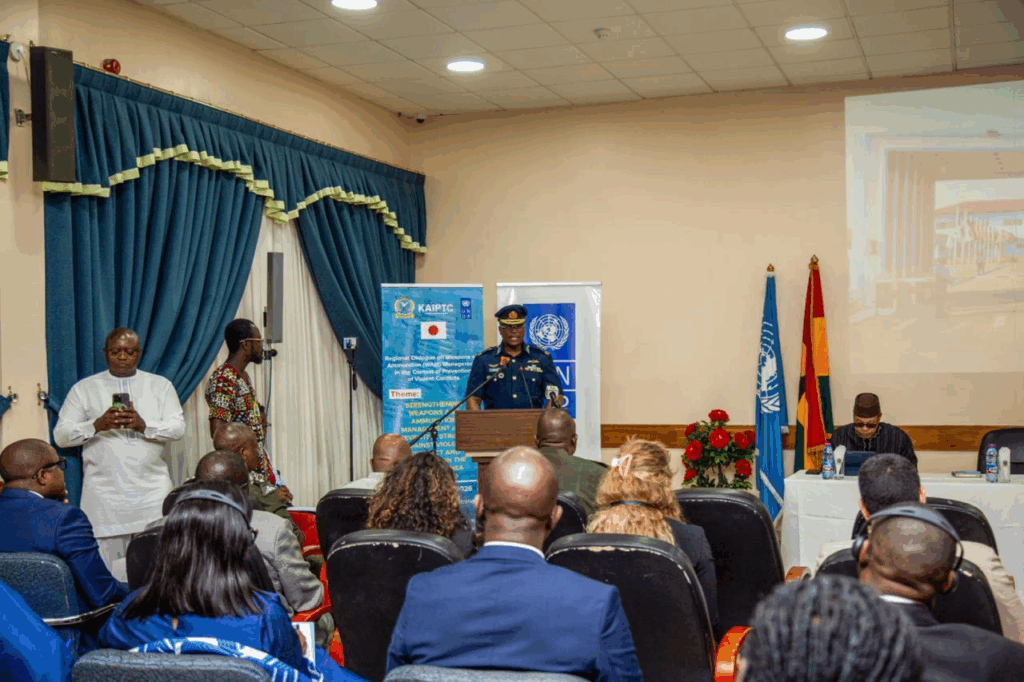
“The proliferation of small arms and light weapons, coupled with readily available ammunition, is a major driver of armed violence, organised crime, and insecurity. These threats undermine governance and destabilise communities by enabling armed groups and criminal networks to operate with greater lethality and impunity,” he said.
Air Vice Marshal Akrong highlighted that, while policy efforts have traditionally focused on weapons control, ammunition management has often been neglected.
“Treating small arms and ammunition under separate frameworks has created gaps in coordination and enforcement,” he noted. “An integrated approach that addresses both simultaneously is essential to curbing illicit trafficking and promoting sustainable peace.”
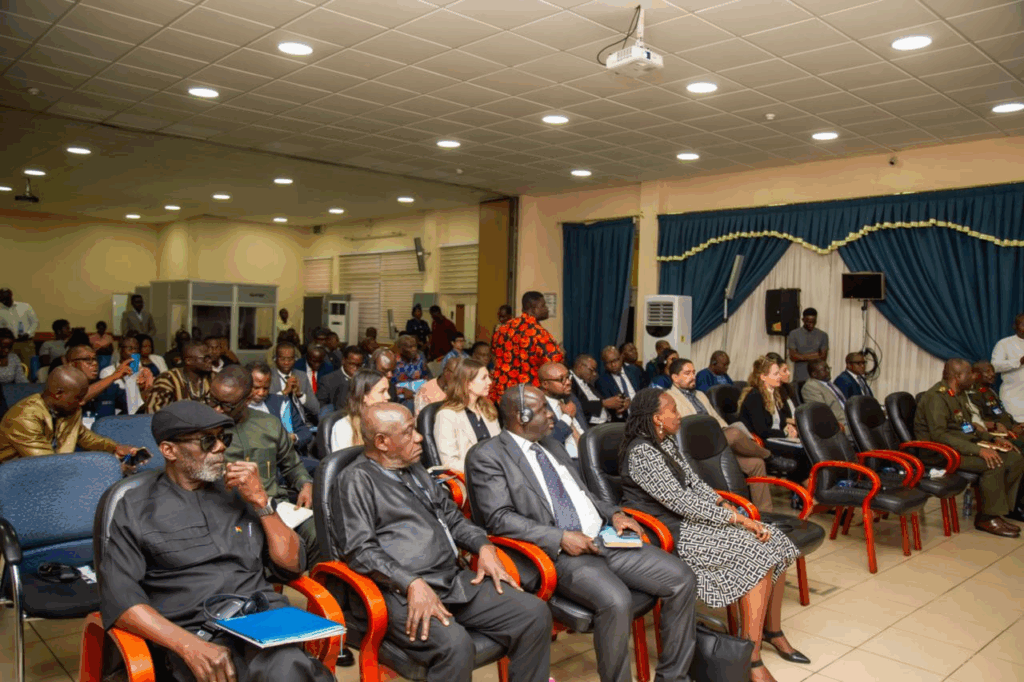
He further affirmed KAIPTC’s commitment to providing technical assistance, capacity-building, and research support across West and Central Africa.
Among its ongoing initiatives, KAIPTC is leading Ghana’s preparation of a second National Action Plan on Small Arms and Light Weapons (SALW), supported by the UN SALIENT Fund, and recently completed inspections of armoury standards in national security agencies.
The dialogue also featured strong interventions from regional and international stakeholders. UNDP’s Resident Representative in Ghana, Mr Niloy Banerjee, underscored the scale of the challenge posed by small arms proliferation in West Africa.
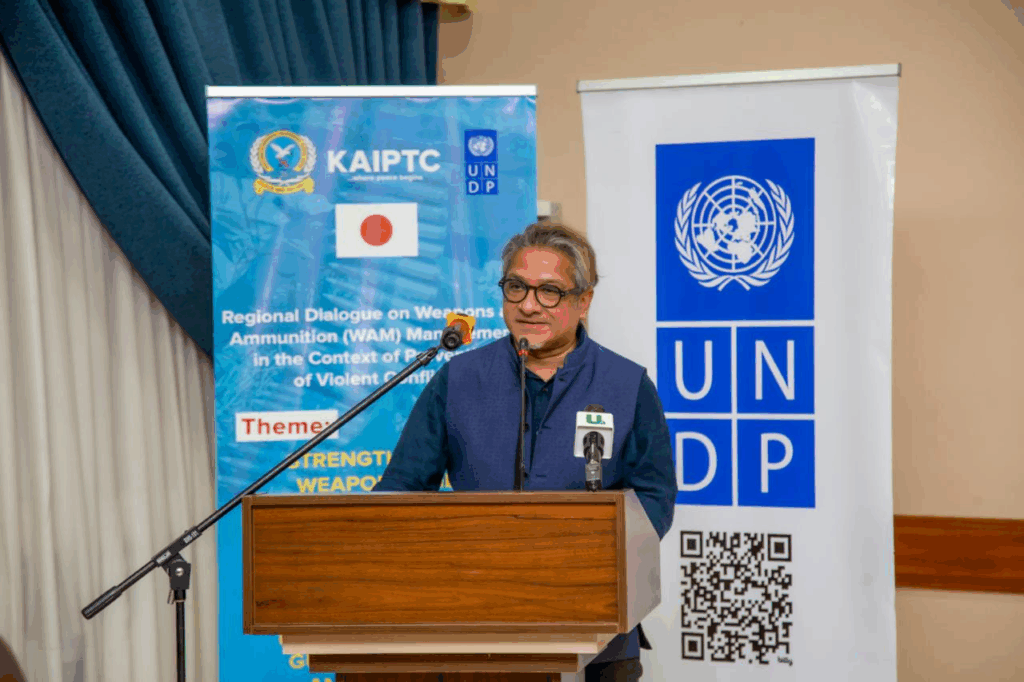
“Africa is estimated to have some 40 million small arms, with West Africa accounting for around 11 million,” Mr Banerjee said. “Ghana alone has approximately 2.3 million weapons in circulation, of which nearly 1.2 million are unregistered or untraceable. These represent real points of vulnerability.”
He stressed that while regulatory frameworks, including the UN Programme of Action on SALW and regional conventions such as the ECOWAS Convention and Kinshasa Convention, exist, the key challenge remains implementation.
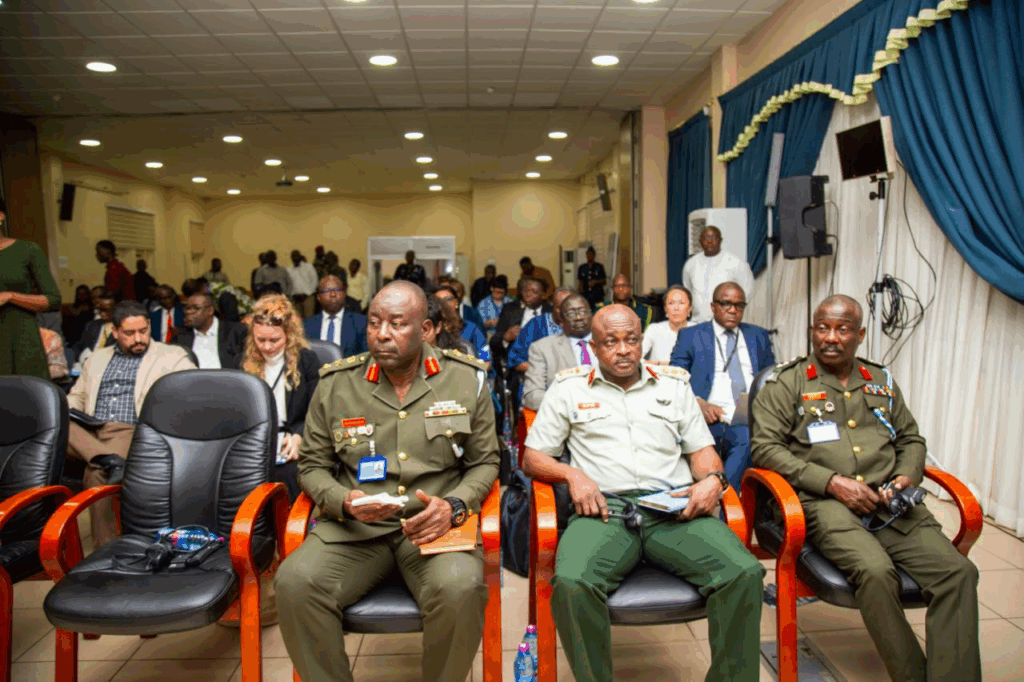
“We are almost well kitted out in terms of guiding frameworks. What we need now is to translate these into action,” he said.
Deputy Minister for the Interior, Mr Ebenezer Okletey Terlarbi, echoed calls for high-level political engagement and regional cooperation.
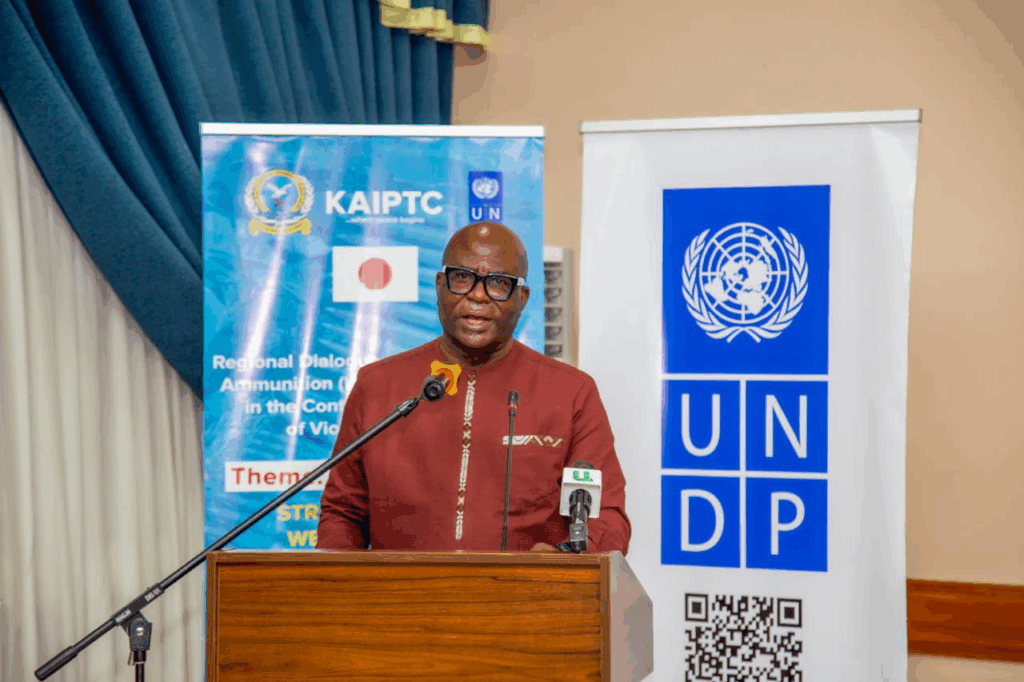
He highlighted the recent nationwide gun amnesty programme as a critical step in addressing arms proliferation and its link to communal and cross-border conflicts.
“The continued spread of small arms and ammunition is a transnational challenge that demands leadership at the highest political levels,” he said.
“Integrated management systems will strengthen regional cooperation, enhance arms control mechanisms, and support sustainable peacebuilding by reducing illicit flows and curbing armed violence.”
Dr Mohamed Ibn Chambas, the African Union High Representative for Silencing the Guns, warned that weapons and ammunition proliferation remains one of the gravest threats to stability in the Gulf of Guinea.
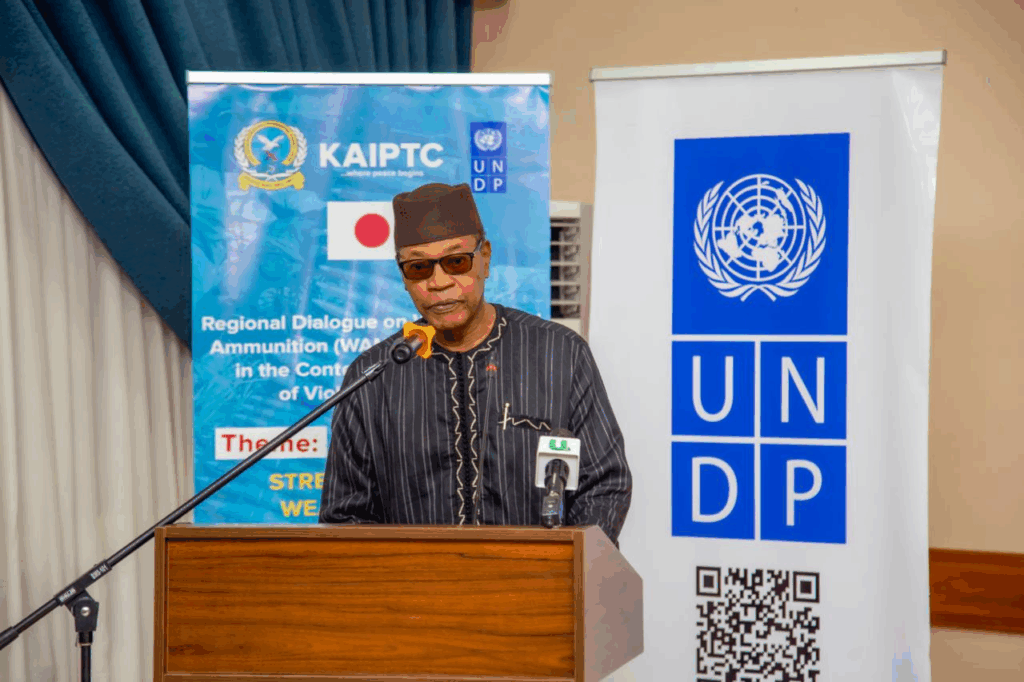
He commended existing initiatives, including Africa Amnesty Month and faith-based engagement, but cautioned that enforcement capacity and coordination remain uneven.
“We must confront illicit weapons flows as inseparable components of a single, coherent control architecture,” Dr Chambas said. “Let us move from dialogue to action and improve weapons and ammunition management as a central pillar of conflict prevention in the Gulf of Guinea and beyond.”
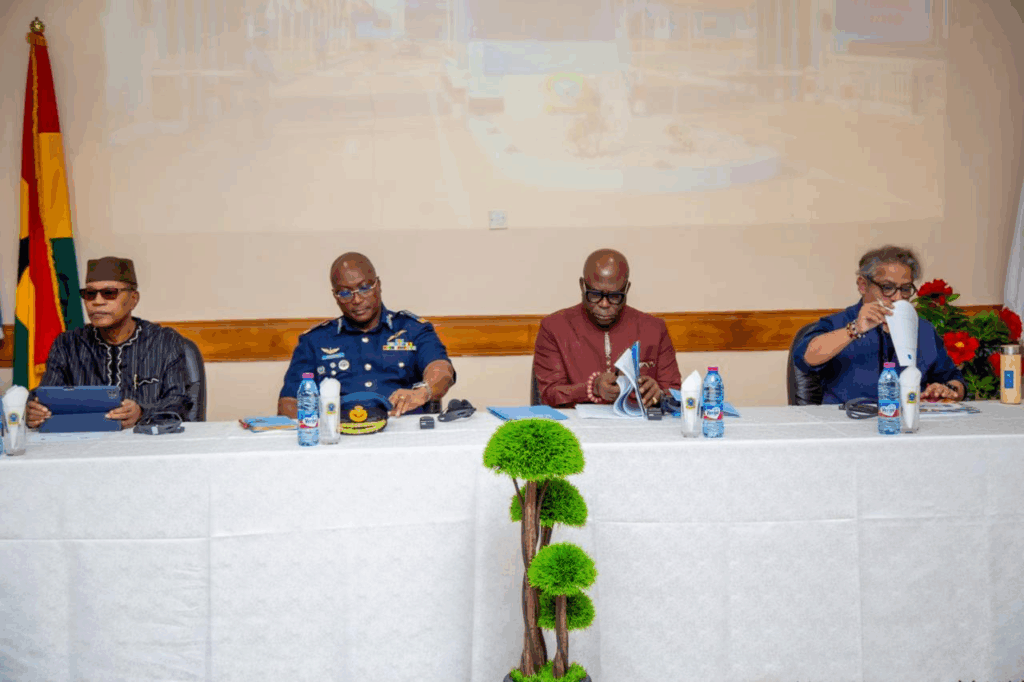
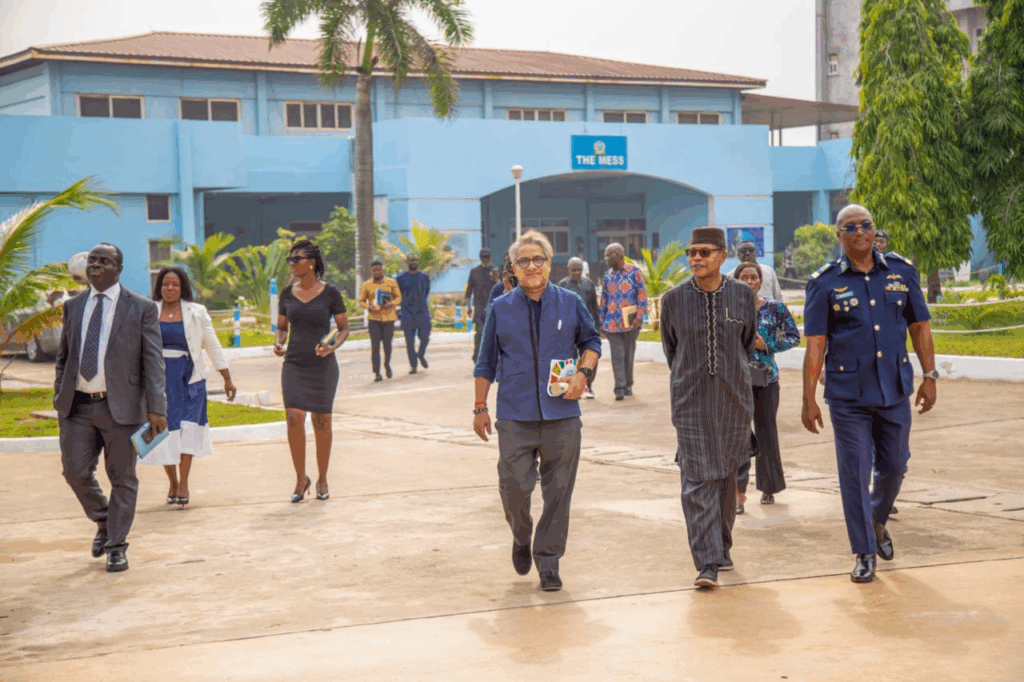
The dialogue, attended by regional experts, government officials, civil society representatives, and international partners, provided a platform for sharing best practices, fostering partnerships, and developing strategies for harmonised, preventive approaches to armed violence.
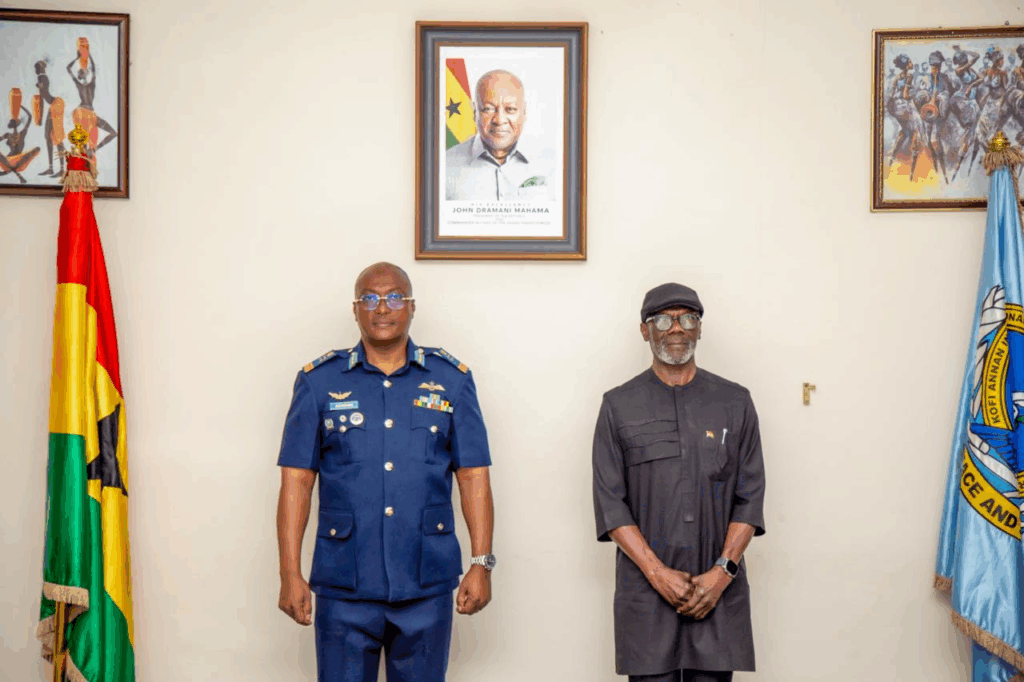
Air Vice Marshal Akrong concluded by emphasising the transformative potential of the initiative:
“Let us be guided by a shared vision of a Gulf of Guinea where communities live free from the fear of armed violence, governance is strengthened through transparency and accountability, and sustainable development is firmly anchored in peace and security. This dialogue must serve as a catalyst for transformative change that will silence the guns and pave the way for inclusive growth and resilient societies.”
Latest Stories
-
Ghana’s economy grows by 7.4% in July 2026
7 minutes -
NDC member challenges Dennis Yeboah Twumasi’s eligibility for Bono Regional Secretary elections
17 minutes -
Popular Nigerian gospel singer Toluwanisings dies
28 minutes -
Spio-Garbrah proposes debt swaps to fund reparative justice in Africa and Caribbean
35 minutes -
Alban Bagbin calls for governance reforms and coordinated action to address Africa’s debt crisis
38 minutes -
AAK Academy Ghana trains 22 chocolate and confectionery companies in production techniques
39 minutes -
Adwumawura Programme trains second cohort of young entrepreneurs in Bono East
41 minutes -
Destroying Jimi River for gold could cost us our lives – Asantehene
48 minutes -
Sammy Gyamfi didn’t say BoG has ceded its forex role to us – GoldBod
2 hours -
High Court sets November 4 for ruling on Wontumi’s bail application
2 hours -
Tetteh Kwetey files nomination for NDC Greater Accra Regional Chairmanship
2 hours -
Korle Bu appeals for more doctors, nurses as A&E Centre struggles under pressure
2 hours -
AFCON 2027Q: ‘I’m optimistic Black Stars can turn things around’ – Agyemang-Badu
2 hours -
Digital innovation could widen Africa’s inequalities if people are left out – Sam Jonah
2 hours -
Galamsey is an economic, health and moral problem – Sam Jonah
2 hours