

Audio By Carbonatix
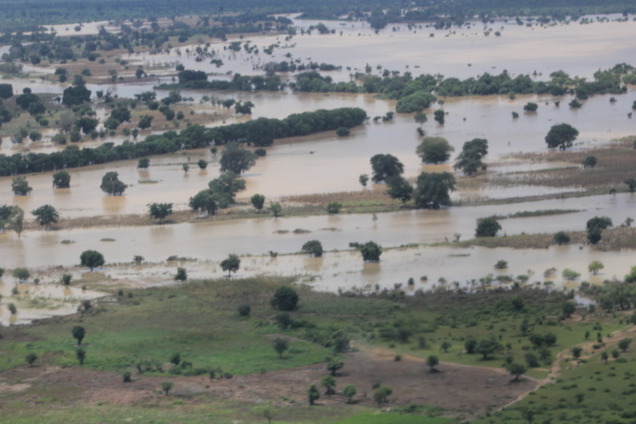
It is time again; it is here again. The annual ritual spillage of the Bagre Dam is here with us. Residents in various districts in North East, Upper East, Oti regions are confronted with this annual ritual.
Early warning signs and early alerts have been issued but how expensive are these early warning signs especially to local residents in the hinterland?
The SONABEL, Power Utility of Burkina Faso has indicated its opening of the dam on Monday, August 19 to maintain its 2,351 meters water holding capacity. A major but often forgotten dimension of this spillage and other climate-induced outcomes or effects is the challenge of climate-induced migration.
At the global level, estimates by the International Organization for Migration (IOM) where some 216 million people potentially remain victims of internal climate migration by 2050, data on Ghana is not forthcoming.
While early warning signs are relevant, it is important for government and policy makers to go beyond just warning signs and knee-jerk reactions to develop climate adaptation and climate resilient strategies. While policy drafting will showcase direction, immediate urgent action is required from government to ensure this tide is stemmed.
Although Ghana has had a National Migration and National Labour Migration policy since 2016 to manage internal and intra-regional and international migration flows to reduce poverty, there is an urgent call to review these policies with action plans to include climate-induced migration.
While the evidence on climate-induced migration remains pauce, preliminary findings from our mixed study exploring the Historical ties effects of multiple and recurring climate-induced migration and displacements on the vulnerability, resilience, and recurrent adaptation capacities and quality of health of families in Northern and Upper East regions Ghana presents a call-to-action response from policy actors.
Preliminary findings from our ongoing study surveying 2,125 residents from 12 rural and urban Talensi and Savelugu towns communities showed that a total of 952 representing nearly four (44.8%) out of every ten individuals studied had experienced climate-induced displacement from weather, rains, floods, dams’ spillage and drought.
Strikingly, when asked about whether the people had intentions of relocating from their present location/village upon NADMO disaster risk advice and personal experience of flooding, drought or displacement, more than a third 746(35.1%) did not have any intention of relocating notwithstanding NADMO advice.
Climate induced migration experience measured as people moving from where they used to stay to a new place in the past 12 months due to climate change conditions (drought, wind, rain/flood, dam spillage) was reported among 1209(56.9%) of the residents.
The forgoing data points to an urgent action from Government to address two major issues; Climate-induced displacement and Climate-induced migration. My proposition and call to action is for the present government and the future government to;
- Urgently interrogate the expenditure issues and funding deficit challenges around the Pwalugu Multipurpose dam construction and urgently prioritize its full construction within the next two to three years
- Review the National Migration and National Labour Migration Policy to include climate-induced migration
- Prioritize alternative livelihood as well as establish designated shelter in anticipation of annual spillages
It is hoped that these measure when taken would address the climate change effects and perennial impacts of the Bagre dam spillage on the citizens in the regions of Oti, Savanna, Upper East and Northern regions of Ghana.
About the Author
Dr. Seth Christopher Yaw Appiah (PhD, PhD) is a Senior Lecturer at the Sociology and Social Work Department at Kwame Nkrumah University of Science and Technology. He is a Social Epidemiologist and Population Scientist. His research works revolve around climate change impacts on health and gender intersectionality issues.
He leads the HistoMultiClimDis Study on Climate Change effects and Bagre dam spillage on Migration and health outcomes in Talensi and Savelugu districts in Upper East and Northern regions in Ghana. The study is supported by the Gerda Henkel Stiftung Foundation.
Latest Stories
-
Church of Pentecost supports over 2,000 BECE candidates in Obuasi with career guidance seminar
38 minutes -
Brandon Asante and Coventry all but promoted to Premier League despite Sheffield Wednesday draw
60 minutes -
GPL 2025/26: Late Kwartemaa strike downs Hearts in Tema
1 hour -
Ghana Faces Sierra Leone Moment as Prosecutorial Powers come under strain
1 hour -
Don’t consume fish or seafood from Tema Shipyard until further notice – FDA warns
1 hour -
Why volunteering might be Africa’s most underrated career accelerator
1 hour -
ActionAid Ghana raises concern over gender gaps in Feed Ghana Programme
1 hour -
Windstorm wreaks havoc in Gushegu, displacing nearly 2,000 residents and damaging schools
2 hours -
Friends of Bridget Bonnie Marks her 35th birthday with donation to Kasseh Model Health Centre
2 hours -
From Ekumfi Kokodo to the Pulpit Stage: Essi Donkor’s gospel journey takes shape
3 hours -
Landfilling waste management creates no value, it’s an economic waste
3 hours -
Photos: Speaker Bagbin Commissions MPs constituency office under parliamentary decentralisation programme
3 hours -
Black Stars technical advisor Winfried Schäfer sacked as GFA shakes up backroom staff
3 hours -
Wenchi water project almost complete, critical to gov’t agenda – GWL MD
3 hours -
Anti-LGBTQ+ bill not part of government’s legislative agenda – Inusah Fuseini
3 hours