

Audio By Carbonatix
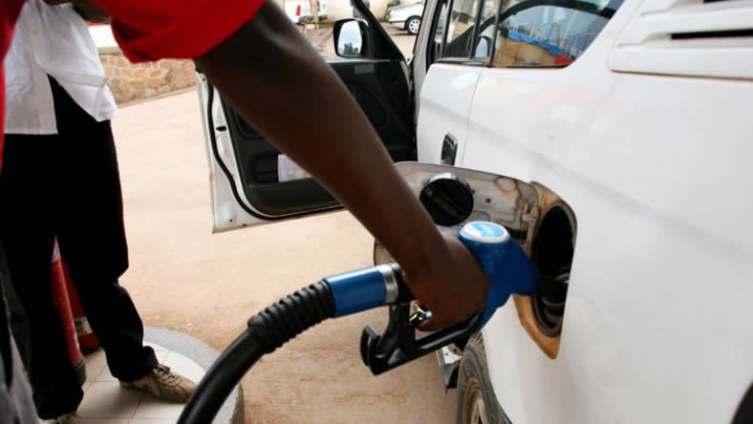
The CEO of Ghana Chamber of Bulk Oil Distributor (CBOD) has bemoaned the rising fuel prices.
Speaking on Joy FM's Super Morning Show Tuesday, Senyo Hosi said that due to the overpriced nature of transportation costs of fuel, there are so many overloaded trucks containing fuel that are yet to be exported, thus terming Ghana as a "highly over-trucked country".
"There are a lot of people who have parked their trucks in yards, they can’t get jobs. Ghana is a highly over-trucked country. So your prices would only face south if it is market-driven".
His comments come at the back of the Oil Marketing Companies (OMCs) and the National Petroleum Authority (NPA) adjusting fuel prices upwards by at least 7 per cent at the pumps on Saturday, October 16.
Following the announcement by the OMCs, there have been calls for government to intervene by scrapping levies imposed on petroleum products.
With government changing every election year, he said that new transporters and transportation brokers brought on board tend to gain favour from the incumbent government depending on their party affiliation.
"Because every year, and every government changes, you have a new set of transporters and a new set of transportation brokers who would ship off some 20 or 30 per cent of the real transporters income. So the transporter himself doesn’t get access to the contract. Instead, others would take the contract and sub-contract to them".
Mr Hosi said irrespective of the political party in power, whether it is the NPP or NDC, one way to curb such a practice is to auction fuel prices.
Citing an example, he said that if government auctions one kilometre worth of fuel, transporters should offer the auction price for the quarter.
"You’d see how the NDC transporters would start getting jobs because their pricing would be way lower. Because for them to get business today, they have to get somebody in. When it’s NPP, the reverse is true. This is the thing that is happening on the transportation side".
He said that due to these irregularities in the petroleum industry, citizens tend to suffer the repercussions by paying higher prices to fill out their vehicles.
"Consumers end up paying a premium for it," he stressed.
Latest Stories
-
One Family, Many Farewells – At Lashibi Funeral Homes
4 minutes -
Mahama orders immediate dissolution of National Cathedral Board of Trustees
9 minutes -
CRC recommendations: Dr Asah-Asante calls for early preparation of gov’t team, rejects five-year term
10 minutes -
My support for SHS students goes beyond kindness; it’s a dream come true – Gideon Boako
14 minutes -
President Mahama declares war on filth, says “Ghana must be clean again”
17 minutes -
Tourism Federation woos diaspora investors to Ghana
18 minutes -
Gideon Boako supports 2,200 Tano North BECE graduates with SHS essentials
20 minutes -
AFCON 2027Q: Ronald Donkor receives maiden Black Stars call-up for Cote d’Ivoire, Gambia and Morocco games
29 minutes -
German Ambassador describes Black Sherif’s visit to his residence as ‘dream come true’
38 minutes -
Government begins evacuation of decades-old waste heap at Jamestown
48 minutes -
Ghana’s UN reparations resolution proof Nkrumah’s ideas still alive – Sir Sam Jonah
48 minutes -
Grace Temple donates medical equipment and supplies to Korle Bu Children’s Hospital
50 minutes -
Ghana, IFC deepen partnership on agriculture, infrastructure, and education
53 minutes -
Black Stars: ‘We cannot win AFCON when we have not qualified’ – Carlos Queiroz
56 minutes -
Mahama unveils plans for textile factory at reclaimed Agbogbloshie site
57 minutes