


Audio By Carbonatix
A tragic incident has claimed the life of a mason following a rescue and recovery operation conducted by the Ghana National Fire Service (GNFS) at Asokwa, near the District Assembly in Abura Dunkwa in the Central Region.
According to a post shared on Facebook by GNFS on Friday, June 13, the victim, identified as Kwesi Salifu, believed to be in his 30s, was reportedly working inside a well when he encountered difficulties believed to have been caused by inadequate oxygen levels within the confined space.
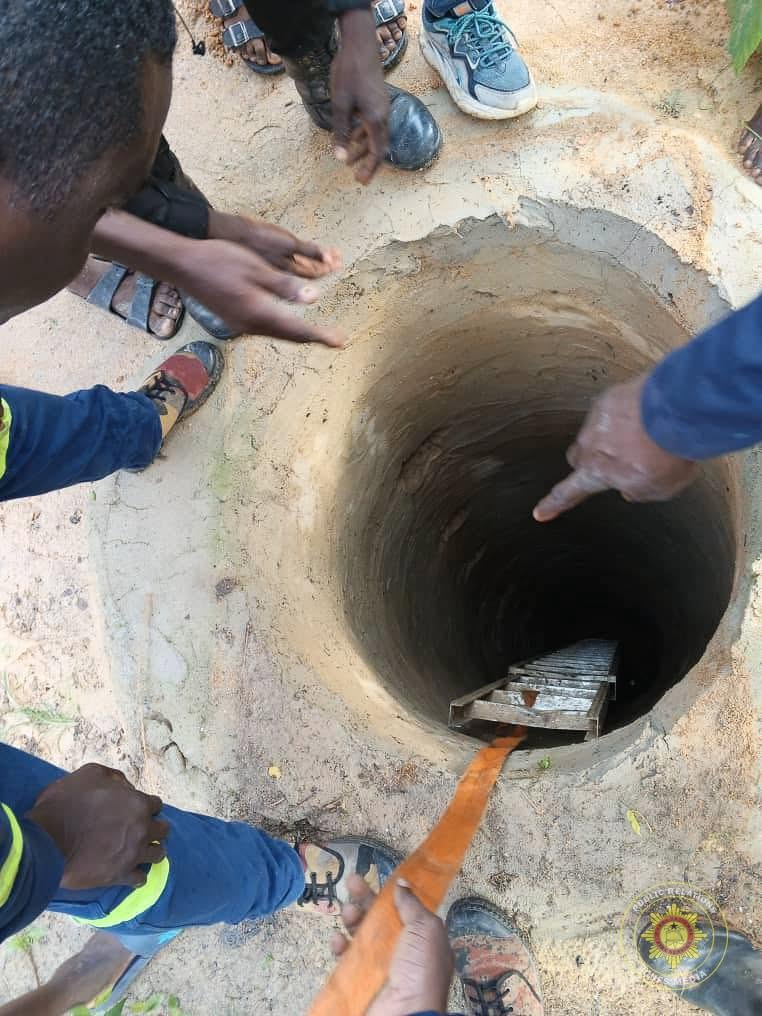
The incident occurred on Wednesday, June 10, 2026, after emergency responders received a distress call reporting that a person had become trapped in a well.
A seven-member rescue team from the Abura Dunkwa Fire Station, led by Assistant Divisional Officer (ADO II) Louis Afful, was immediately dispatched to the scene. The team was later reinforced by ADO I Jeffery Ampiah and Station Officer (STNO I) Morgan to support the rescue effort.
Eyewitnesses and the owner of the construction site, Mr Henry Duker, indicated that Mr Salifu had been carrying out work inside the well when he began experiencing breathing difficulties.
It is believed that the lack of sufficient oxygen within the confined space caused him to become weak and disoriented.
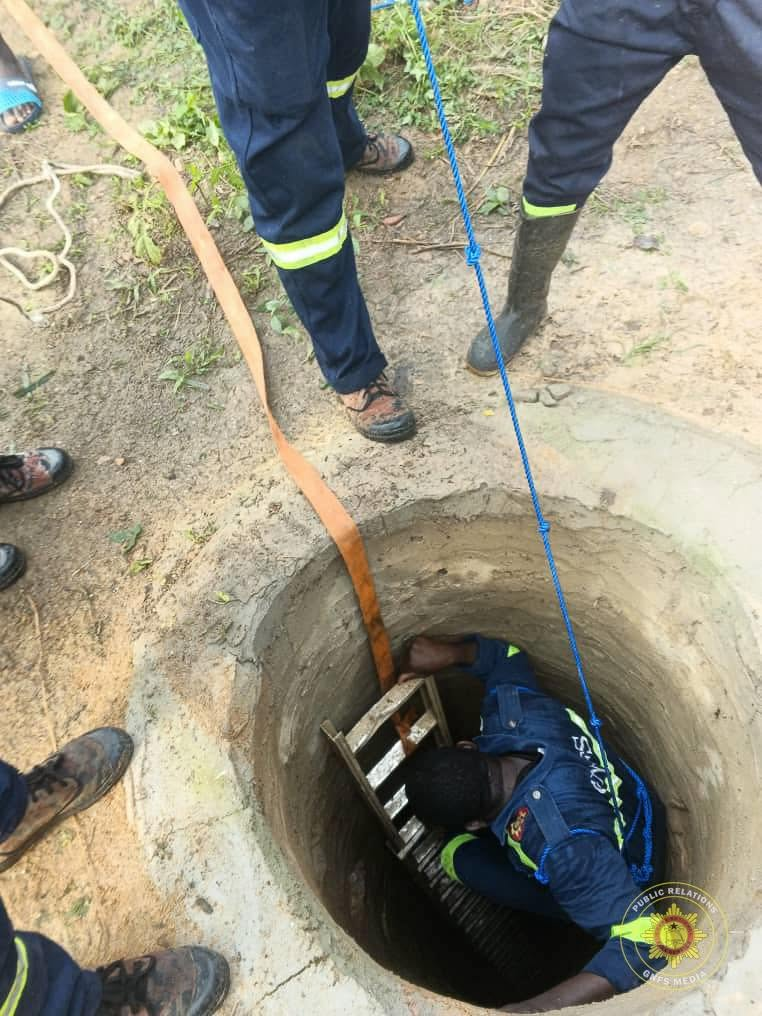
Reports suggest that as the mason attempted to climb out of the well to safety, he lost consciousness and fell back into the shaft.
Upon arrival, fire officers launched a carefully coordinated rescue and recovery operation aimed at retrieving the victim from the well.
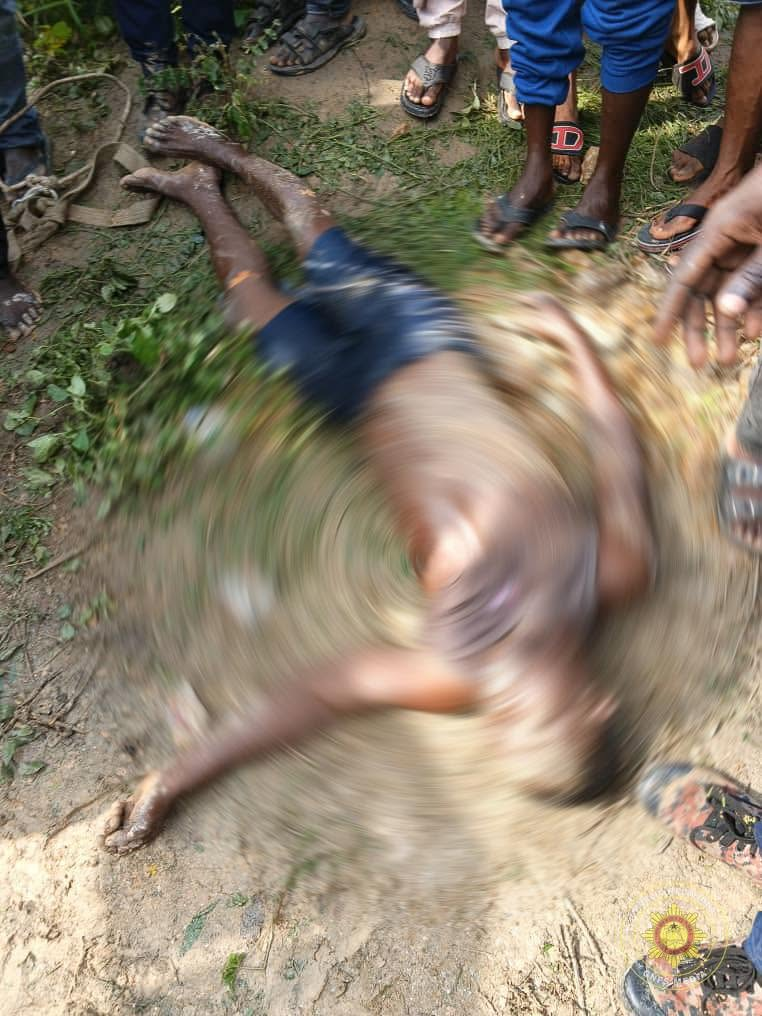
Despite the swift response and efforts of the emergency team, Mr Salifu was unfortunately pronounced dead by medical personnel at the scene after he was brought out of the well.
Following confirmation of his death, the body was handed over to the Ghana Police Service for preservation and further investigations into the circumstances surrounding the incident.
The tragedy has once again drawn attention to the significant dangers associated with working in confined spaces such as wells, tanks, pits, tunnels and underground chambers.
In its statement, the GNFS emphasised the need for strict adherence to safety protocols when undertaking work in confined spaces.
The Service advised individuals and contractors to ensure that such activities are conducted only under expert supervision and with the necessary safety precautions in place.
These measures include adequate ventilation, continuous monitoring of oxygen levels, the use of protective equipment, safety harnesses, communication systems, and standby rescue personnel capable of responding swiftly in the event of an emergency.
The Ghana National Fire Service has urged members of the public, contractors and employers to prioritise safety at all times and to seek professional assistance when undertaking potentially hazardous work in confined environments.
Latest Stories
-
Government secures financing to fix water shortages in Tamale, Yendi and Damongo
16 minutes -
NSA extends 2026/2027 National Service registration deadline to October 23
45 minutes -
Mahama reaffirms commitment to private investment and industrial growth
1 hour -
‘We have been used and dumped’ – NDC’s James Agbey warns over grassroots neglect
1 hour -
Ghana defender Marvin Senaya begins training ahead of comeback
1 hour -
Joyce Bawah Mogtari urges women leaders to build strong support networks
1 hour -
Bawumia engages GUTA over import duties, VAT and rising business costs
1 hour -
Fuel prices begin to fall as Star Oil cuts petrol to GH¢16.45
2 hours -
GoldBod supplies banks with US$282m in weekly forex sales
2 hours -
Joyce Bawah Mogtari says Obaasima Conference should help women connect and learn
2 hours -
Ghana’s Crude Oil Production Rebounds by 30% After Five Years of Decline
2 hours -
Nzema East launches Responsible Cooperative Mining Programme to tackle environmental destruction
2 hours -
Ghana included in WHO lead-testing programme as questions remain over local exposure risks
2 hours -
2026 Amputee World Cup: We will win the trophy – Samson Deen
2 hours -
Controller and Accountant-General pays promotion arrears to 56,003 GES teachers ahead of deadline
2 hours