

Audio By Carbonatix
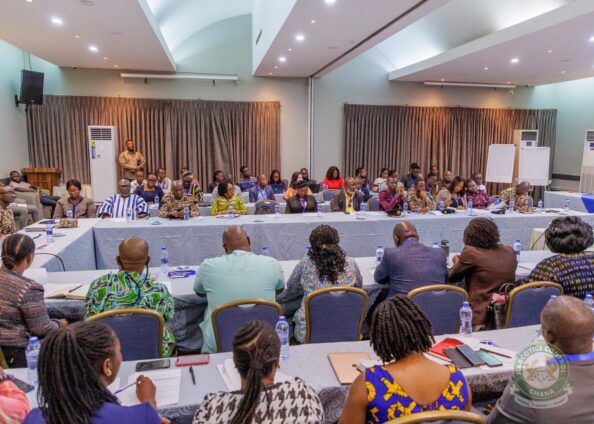
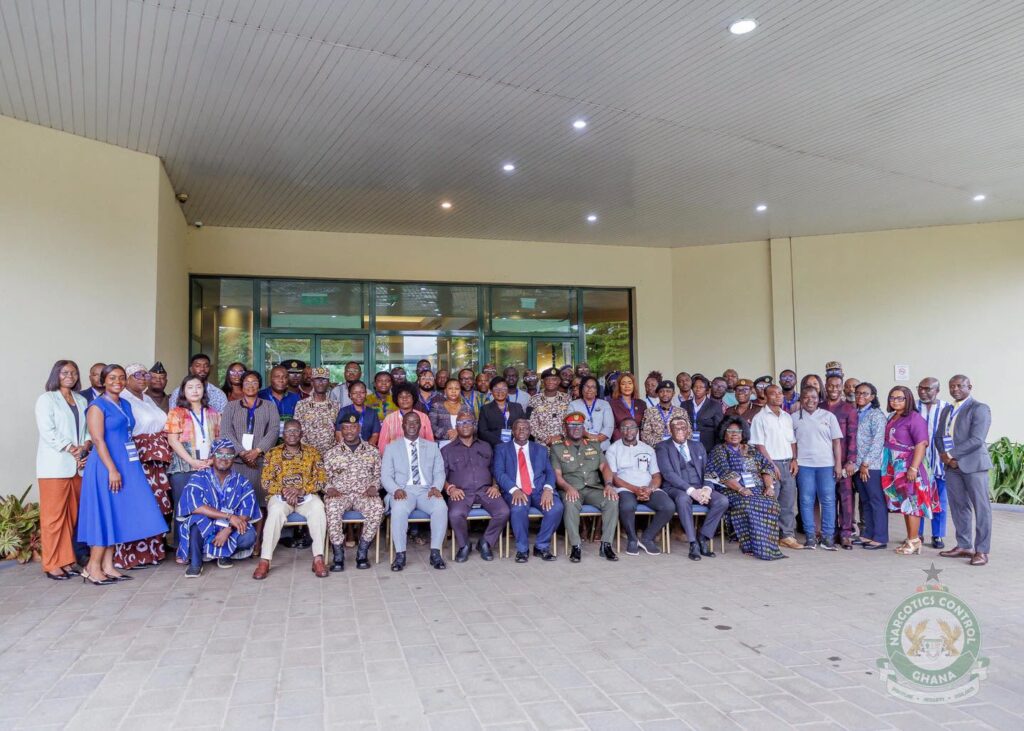
The Narcotics Control Commission (NACOC), in collaboration with the International Drug Policy Consortium (IDPC), WAPCAS Plus, the United Nations Development Programme (UNDP), the Joint United Nations Programme on HIV/AIDS (UNAIDS), and other local and international partners, has concluded the Second National Dialogue on Drug Policy, Human Rights and Public Health.
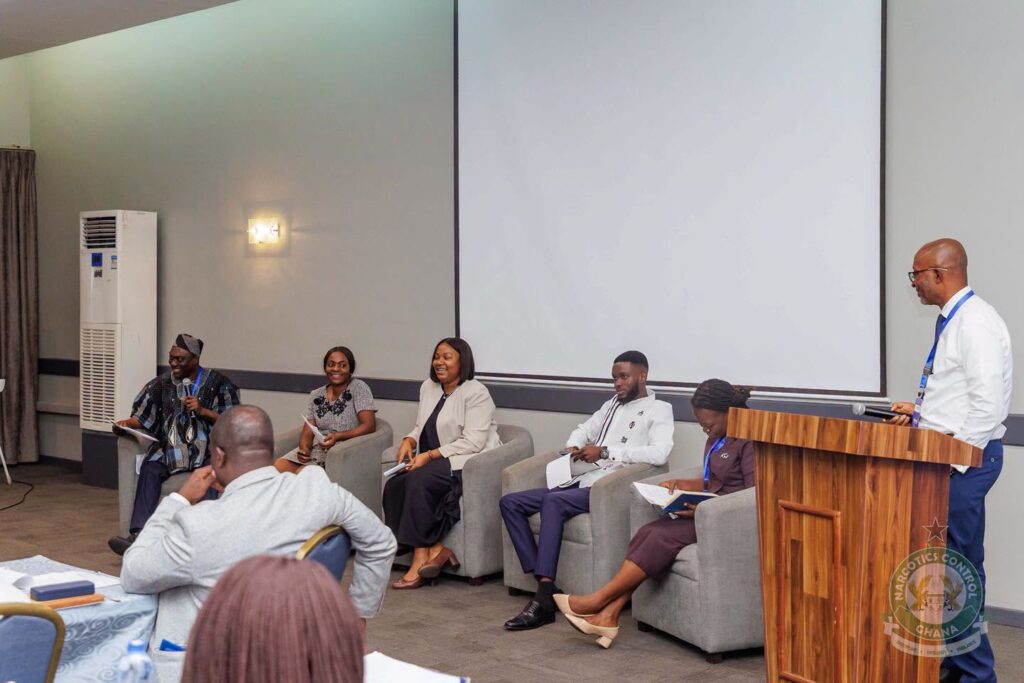
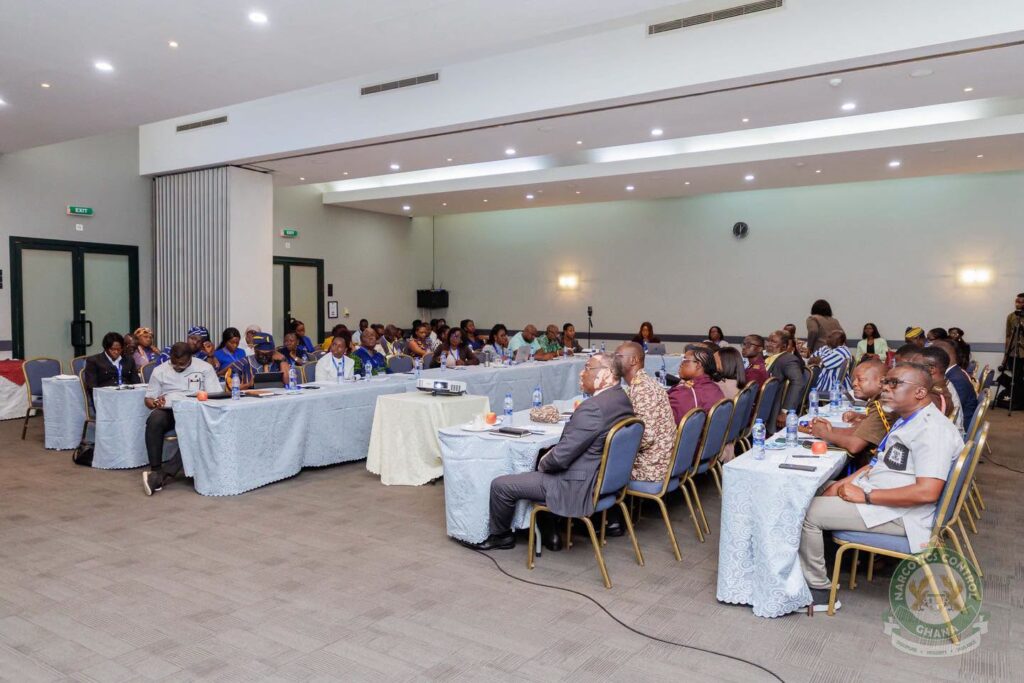
Held under the theme, "Advancing a People-Centered, Rights-Based Drug Policy in Ghana: Moving from Law to Implementation," the two-day forum brought together policymakers, law enforcement agencies, healthcare professionals, members of the judiciary, civil society organisations, academia, traditional leaders, development partners, representatives of affected communities, and international experts.
The dialogue provided a platform for stakeholders to assess Ghana's progress in implementing modern, evidence-based drug policies while exploring strategies to strengthen public health, protect human rights, improve public safety, and promote sustainable national development.
Building on the outcomes of the inaugural National Dialogue held in 2022, participants reviewed the implementation of the Narcotics Control Commission Act, 2020 (Act 1019), and discussed ways of translating the country's legislative reforms into tangible improvements in healthcare, justice delivery, rehabilitation services, and community well-being.
The meeting comes at a time when Ghana continues to shift from punitive approaches to drug control towards a public health and human rights-based framework for addressing substance use disorders.
Stakeholders noted that since the passage of Act 1019, Ghana has emerged as one of Africa's leading countries in progressive drug policy reform.
The legislation introduced measures to support treatment, rehabilitation, harm reduction interventions, alternatives to incarceration for eligible offenders, and a more balanced response to substance abuse.
However, participants stressed that the success of the reforms would depend on effective implementation, sustained collaboration among government institutions, healthcare providers, law enforcement agencies, the judiciary, civil society organisations, development partners, and local communities.
Discussions also focused on strengthening coordination among state and non-state actors, assessing progress made since the 2022 dialogue, and identifying practical measures to improve the implementation of Act 1019.
A key area of discussion was Ghana's preparedness to introduce Opioid Agonist Therapy (OAT) as part of a comprehensive package of evidence-based treatment and harm reduction interventions.
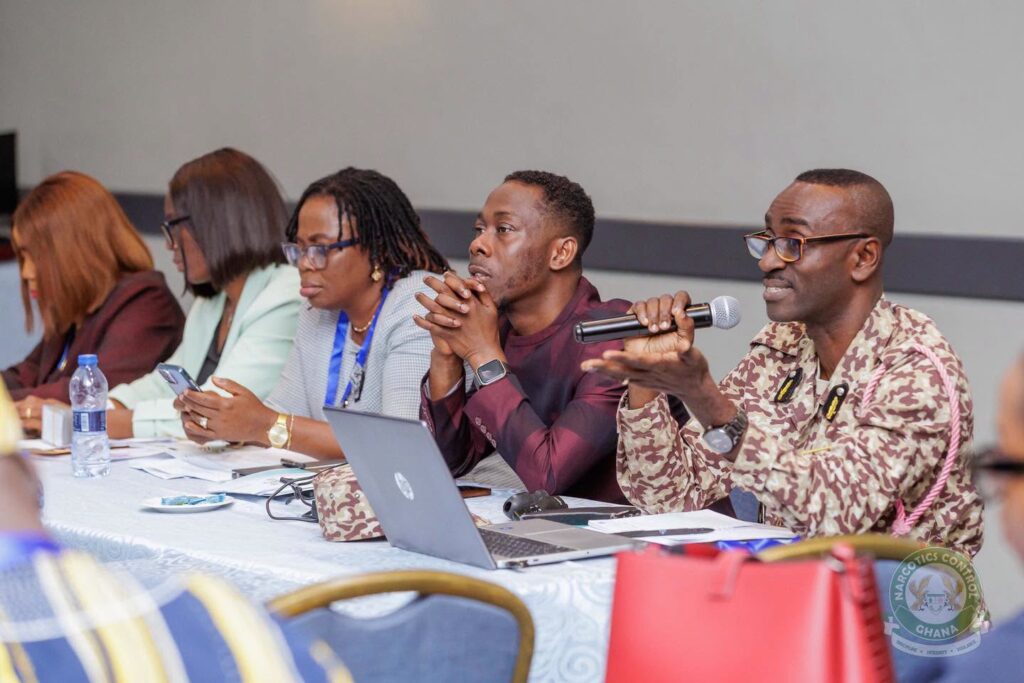
Experts shared international experiences and best practices on expanding access to quality treatment services while ensuring that interventions remain science-driven, respect human dignity, and uphold the rights of persons living with substance use disorders.
Participants further explored ways to strengthen prevention programmes, expand rehabilitation and recovery services, reduce stigma and discrimination, enhance community-based interventions, and improve collaboration between the public health and criminal justice sectors.
They emphasised the need for adequate funding, institutional capacity building, public education, continuous stakeholder engagement, and robust monitoring and evaluation systems to ensure the successful implementation of Ghana's drug policy reforms.
The dialogue reaffirmed the importance of treating substance use disorders as public health issues requiring prevention, treatment, rehabilitation, and social reintegration rather than relying solely on punitive sanctions.
At the close of the meeting, government institutions, development partners, civil society organisations, and community representatives renewed their commitment to deepening collaboration and accelerating reforms aimed at improving health outcomes, promoting justice, and enhancing community safety.
NACOC said the dialogue reinforces its commitment to leading national efforts to implement comprehensive, evidence-based drug policies that protect society, support recovery, uphold human dignity, and contribute to Ghana's sustainable development.
Latest Stories
-
MamaCare CEO warns unresolved conflicts among health workers could undermine maternal and neonatal care
7 minutes -
Health professionals urged to translate medical knowledge into practice to save mothers
14 minutes -
Conflicts among care providers linked to maternal, neonatal deaths – Expert
2 hours -
GIS marks 10th TIME conference, champions improved teaching practices
2 hours -
BRICS Or Balance? What Ghana’s bid really means
2 hours -
GPRTU wants full TRAFFITECH-GH implementation to start in 2027
3 hours -
Mahama announces plans to import electric wheelchairs for PWDs
3 hours -
KGL U17 Colts 2026: Western beat Prempeh Elite Academy to set up final final with Greater Accra Region
3 hours -
Late Solanke strike salvages 10-man Spurs draw at Man United
3 hours -
Gender Ministry to monitor welfare of Nana Akua Addo’s children amid domestic violence case
3 hours -
Benedict Okyere Yeboah: Ghana’s football problem goes beyond sacking a coach
3 hours -
GPL 2026/27: Darkwah Wiafe’s winner sees All Blacks beat Kotoko
4 hours -
ITF World Tour : Patel Wins Boys’ Singles Final at J100 Accra
4 hours -
Ghana must pursue BRICS partnership if it brings economic benefits – Kpebu
4 hours -
Success and Wright Claims J100 Accra Girls’ Doubles Championship
4 hours