

Audio By Carbonatix
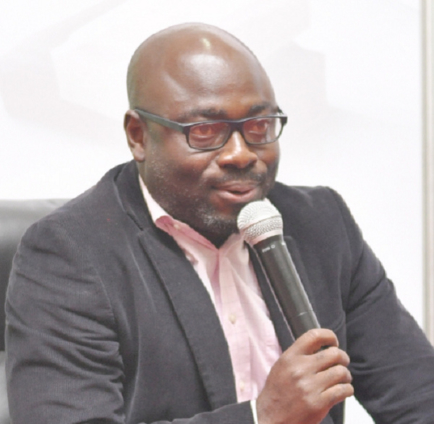
A lecturer at the University of Ghana Business School (UGBS), Professor Lord Mensah has suggested that public officials who engage in financial mismanagement and fiscal indiscipline should be publicly named and shamed.
According to him, this will go a long way in dealing with the growing levels of financial recklessness and fiscal indiscipline within the public sector.
Speaking in an interview with Benjamin Akakpo on the AM Show on Wednesday, he expressed his disappointment in the rate at which public finances are poorly handled.
To stem the tide, he called for public officials who mishandle state resources to be subjected to stricter sanctions.
"I'm yet to see whether the law has grabbed somebody and the person is being penalised for causing financial loss to the state through some of these recklessness. I'm yet to see that. The surcharging and all those; the question is were they made public?
If you want to deter people from certain practices in the financial space, it is important to let the people know what kind of punishment you meted out to those who caused the financial loss to the state. You may punish them, but in silence.
Maybe you surcharge them. In the end they forfeit about three months of their salaries. [But] who knows it? Nobody knows. So effectively, they'll end up continuing what they're doing. But if you make it public, then the people get go know. Naming and shaming is very very key", he explained.
The suggestion from the UGBS lecturer was in reaction to the latest fiscal recklessness index which was launched by IMANI Ghana on Tuesday. According to officials of the policy Think Tank, the Finance Ministry is the most financially reckless ministry.
They further explained that the Ministry has recorded more than 11 billion cedis in losses to the state. The losses, according to IMANI Ghana were based on irregularities tracked in the Auditor-General's reports between 2015 and 2020.
Speaking at the forum in Accra on Tuesday, May 31, Research Consultant for IMANI Ghana, Dennis Asare said, “over the 6-year period, the Ministry of Finance consistently appeared as the most reckless of the institutions".
The IMANI report on financial recklessness also discovered that about 13.4 billion cedis was lost to financial recklessness between 2015 and 2020 alone, with the Finance Ministry accounting for almost 90% of all financial recklessness cases.
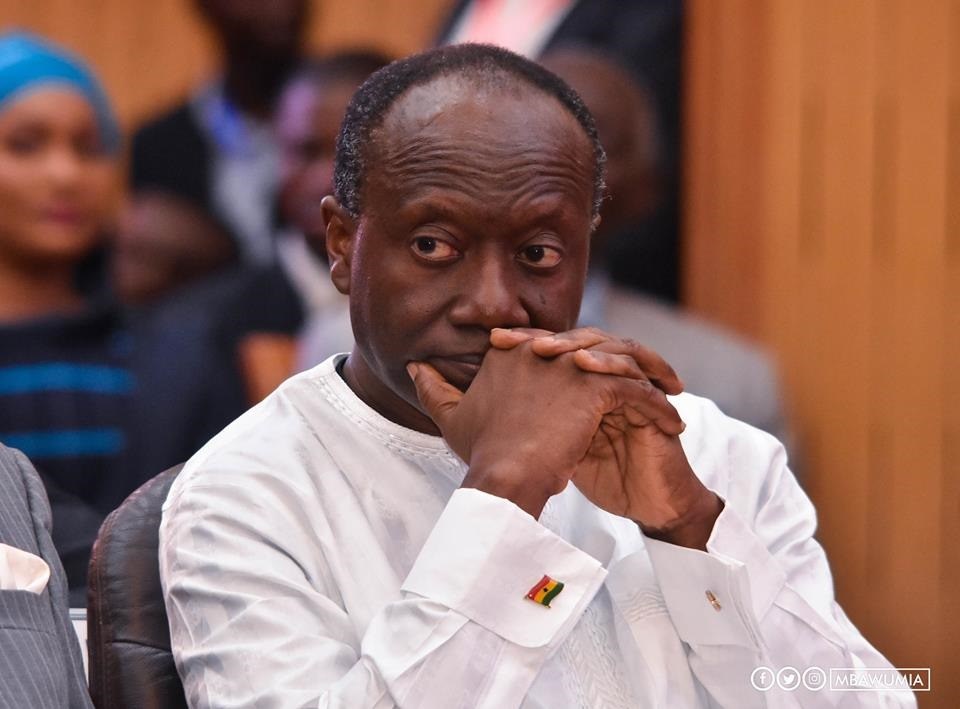
Speaking on JoyNews’ PM Express, Dennis Asare noted that in the few instances where Ghana had recorded very low financial irregularities, the tax and cash management strategies had been working effectively.
“The reason why we are not able to maintain that performance is that let’s remember that the irregularities are driven by two main things; the tax and cash irregularities. So a period where you record relatively lower volumes of tax and cash irregularities, you’re likely to have a very low irregularity.
So the periods that you’re comparing with, the tax irregularity of 2015 you see that it is relatively lower, and when you come to the period in 2016, it goes up because cash irregularities have increased. It means that the cash and tax management strategies have not been working effectively and one of the key drivers on that is the weak enforcement of compliance”, he stated.
The findings by IMANI Ghana have since sparked a lot of public sentiments, with many bemoaning the details of the report.
Adding his voice to the public outcry, Professor Lord Mensah told host of the AM Show, Benjamin Akakpo on Wednesday that, he is shocked about the fact that the Finance, Health and Road ministries were all stated in the reports as being financially reckless.
In his view, such ministries should not have been accused of fiscal indiscipline.
While praising the relevance of the latest fiscal recklessness index, he added that many officials in charge of state resources, are not thoroughly equipped to understand the nuances of financial management.
On that note, he called for enhanced capacity building programmes to ensure that persons at the helm of financial affairs in the public sector have the requisite knowledge to deliver on their mandates.
To deal with the menace, Professor Lord Mensah also called for stronger collaboration between the Special Prosecutor and the Auditor General in eliminating financial malfeasance in the public sector.
He also advocated that the headquarters of the Ministry of Finance should be separated from financial agencies; with an additional proposal for the recommendations of the Public Accounts Committee to be strictly enforced.
Latest Stories
-
Kwaku Azar writes: A-G vs OSP
8 minutes -
Mfantsipim–Adisadel rivalry built excellence, not division – Sam Jonah
32 minutes -
Vice President launches Mfantsipim’s 150 years of shaping Ghana’s greatest mind
49 minutes -
I assure Otumfuo, Mahama will join him to commission KNUST Teaching Hospital by end of this year – Haruna Iddrisu
2 hours -
Gov’t to roll out free special education for persons with disabilities from July 1 – Education Minister
2 hours -
“We used it to test our officiating officials’ readiness” – Bawah Fuseini after CAA Athletics event
2 hours -
Volleyball emerges as Ghana’s fastest rising sport
2 hours -
National Sports Fund needs strong leadership from the top – Administrator David Wuaku
3 hours -
JoySports Exclusive: Steve McLaren in talks with GFA after expressing interest in Black Stars job
3 hours -
Fire guts auto parts warehouse at Bubuashie, one fire officer injured
3 hours -
I owe my victory to coach Ofori Asare – Allotey after winning WBA Africa Gold Super Flyweight belt
3 hours -
Church of Pentecost supports over 2,000 BECE candidates in Obuasi with career guidance seminar
5 hours -
Brandon Asante and Coventry all but promoted to Premier League despite Sheffield Wednesday draw
5 hours -
GPL 2025/26: Late Kwartemaa strike downs Hearts in Tema
5 hours -
Ghana Faces Sierra Leone Moment as Prosecutorial Powers come under strain
5 hours