

Audio By Carbonatix
The "last mile problem" has persistently hindered progress in education delivery leveraging on technology, particularly in remote and underserved regions.
This challenge refers to the difficulty in providing educational resources and opportunities to areas with limited access. To overcome this hurdle, a multi-faceted approach leveraging hybrid solutions, community involvement, and strategic partnerships between the public,private,industry,academia and the telcos is essential.
Here are a few revolutionary strategies that the Center for National Distance Learning and Open Schooling(CENDLOS) has earmarked to resolve some of these issues:
Leveraging Technology for Accessible Learning:
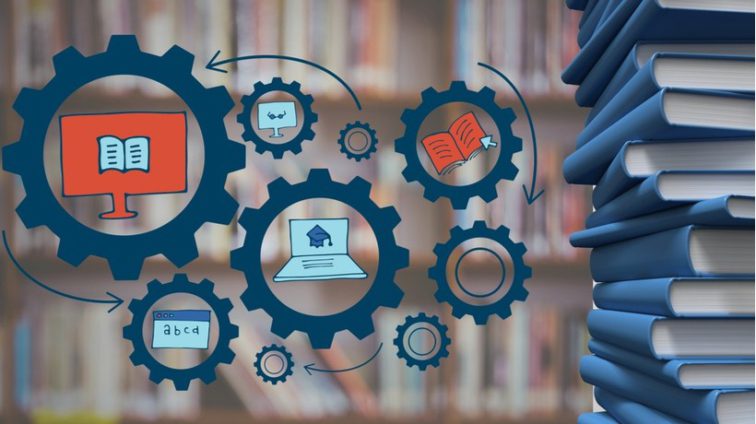
Embracing educational technology (EdTech) has proven to be a game-changer in addressing the last mile problem. Digital platforms, online learning resources, and specialized applications have the potential to reach even the most remote corners of the country. With virtual classrooms, video lectures, and interactive modules, students can access quality education regardless of their location.
Offline Access: Empowering Learners without Internet Connectivity:
Recognizing the varied levels of connectivity, it is crucial to provide options for offline access to educational materials. Through downloadable content, offline modes in applications, and pre-loaded devices, students in areas with limited internet access can still benefit from the wealth of digital resources available. This is why CENDLOS developed the iBox to provide students in even the remotest of areas with access to quality educational content.
Broadcasting Educational Programs:
Television stations are one of the most vital and widespread ways to spread information and knowledge. The Ministry of Education under the able leadership of Hon.Dr Yaw Osei Adutwum, leveraging this age-old medium, is planning on launching its own television station at the Cendlos Ultra modern studios which would offer students uninterrupted access to educational resources, especially in regions with limited access to digital resources.
Public-Private Partnerships and NGO Collaboration:
By teaming up with non-governmental organizations (NGOs) and private sector entities CENDLOS is unlocking additional resources, expertise, and infrastructure. Together, these partnerships drive initiatives that specifically target underserved communities.
Customized Content for Local Relevance:
By tailoring educational content to align with the local context, including language, culture, and real-world examples, CENDLOS is enhancing engagement and ensuring that learning materials resonate with students in underserved areas.Cendlos aims to continue to produce quality curriculum aligned content to support teaching and learning.
Monitoring and Evaluation for Continuous Improvement:
Implementing robust monitoring and evaluation systems helps track the impact of interventions. This data-driven approach enables education providers to refine strategies and make informed decisions based on real-world outcomes.
Promote Inclusive learning:
Technology has the tendency to eliminate the one size fit all teaching and learning approach.Cendlos has introduced a lot of personalized learning techniques and tools to cater for persons with disability(PWD)in their Edtech delivery and planning.The center is seeking to improve the SDG 5 agenda to make sure Edtech promotes Gender equity online.
By implementing these innovative strategies, we can collectively work towards bridging the last mile in education technology delivery. Through a combination of hybrid solutions, community engagement, and strategic partnerships, we can ensure that no learner is left behind, regardless of their geographic location, disability or gender. Together, we can shape a future where quality education is accessible to all, unlocking boundless opportunities for learners around the world.
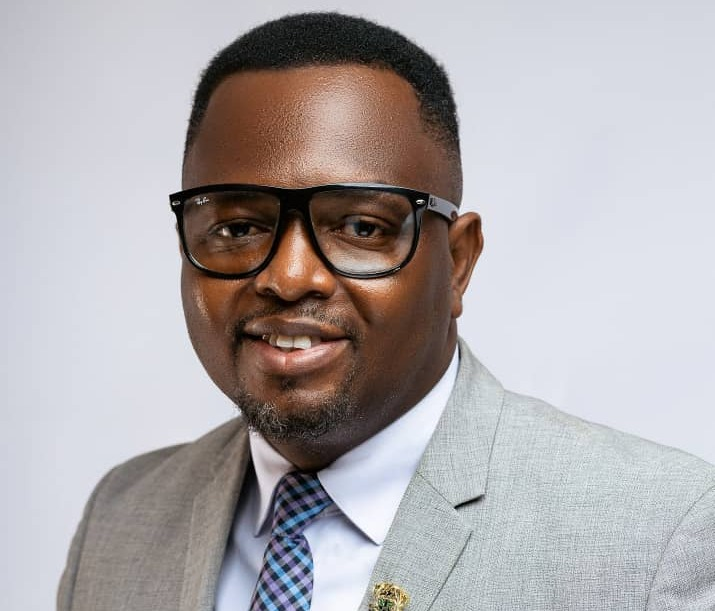
About the author; Nana Gyamfi Adwabour is the Executive Director, Centre for National Distance and Open Schooling
Latest Stories
-
I assure Otumfuo, Mahama will join him to commission KNUST Teaching Hospital by end of this year – Haruna Iddrisu
19 minutes -
Gov’t to roll out free special education for persons with disabilities from July 1 – Education Minister
41 minutes -
“We used it to test our officiating officials’ readiness” – Bawah Fuseini after CAA Athletics event
1 hour -
Volleyball emerges as Ghana’s fastest rising sport
1 hour -
National Sports Fund needs strong leadership from the top – Administrator David Wuaku
2 hours -
JoySports Exclusive: Steve McLaren in talks with GFA after expressing interest in Black Stars job
2 hours -
Fire guts auto parts warehouse at Bubuashie, one fire officer injured
2 hours -
I owe my victory to coach Ofori Asare – Allotey after winning WBA Africa Gold Super Flyweight belt
2 hours -
Church of Pentecost supports over 2,000 BECE candidates in Obuasi with career guidance seminar
3 hours -
Brandon Asante and Coventry all but promoted to Premier League despite Sheffield Wednesday draw
4 hours -
GPL 2025/26: Late Kwartemaa strike downs Hearts in Tema
4 hours -
Ghana Faces Sierra Leone Moment as Prosecutorial Powers come under strain
4 hours -
Don’t consume fish or seafood from Tema Shipyard until further notice – FDA warns
4 hours -
Why volunteering might be Africa’s most underrated career accelerator
4 hours -
ActionAid Ghana raises concern over gender gaps in Feed Ghana Programme
4 hours