

Audio By Carbonatix
Ghana is stepping up its fight against child labour in its agriculture, artisanal mining, and other sectors with the roll-out of a new digital tool to facilitate government officials and partners in monitoring.
The new Ghana Child Labour Monitoring System (GCLMS) is being rolled out to help stakeholders identify, document, refer and follow up on cases of child labour more effectively.
The system is particularly important in sectors such as agriculture, artisanal and small-scale mining, domestic work, and other parts of the informal economy, where children can be exposed to hazardous or exploitative work.
The new GCLMs are interoperable with other child protection systems in Ghana, making case referral and remediation seamless, and ensuring effective inter-agency coordination.
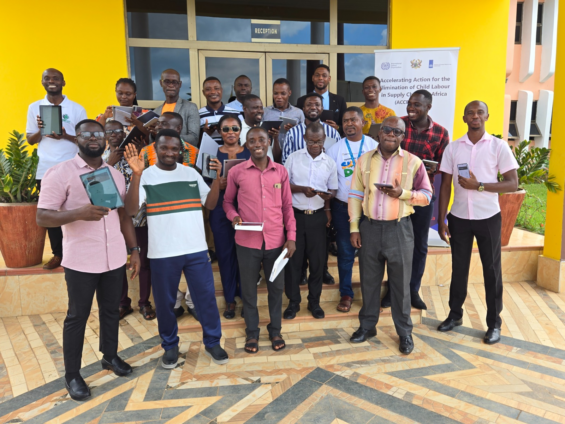
The International Labour Organisation (ILO), through its ACCEL Africa Project, in partnership with the Child Labour Unit of the Ministry of Labour, Jobs and Employment, have trained the first selected regional and district stakeholders in the ACCEL Africa project areas on the new system.
The training is part of efforts to ensure that those directly involved in child labour identification, monitoring, referral and case management at the regional and district levels have the knowledge and practical skills to use the system effectively.
Addressing participants during the training, the National Project Coordinator of the ILO’s ACCEL Africa Project in Ghana, Bismark Quartey, emphasised the importance of effective monitoring in the fight against child labour.
“Reliable and timely data is fundamental to effective action against child labour. The new GCLMS provides stakeholders with a common mechanism to document cases, understand their characteristics and underlying causes, initiate appropriate interventions and follow up on children and families receiving support,” he stated.
Developed with funding from the ILO through the ACCEL Africa Project and other development partners, the new GCLMS provides a common framework for collecting, managing, analysing and reporting information on child labour.
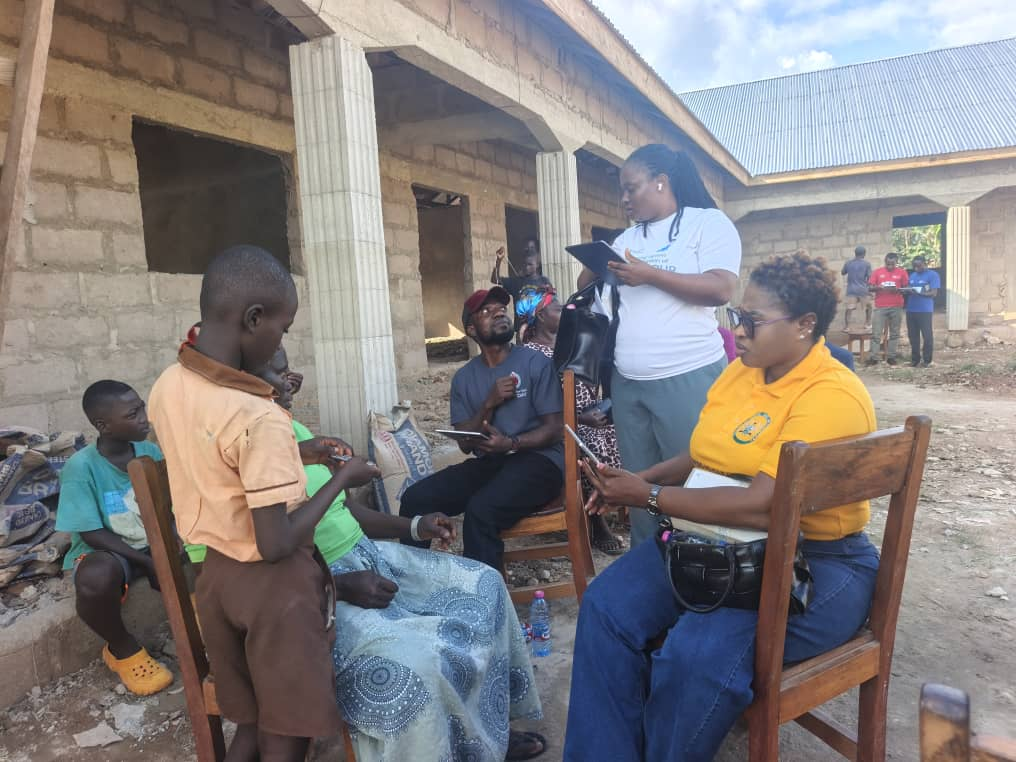
Participants used field practical exercises during the four-day training to learn how to register and document cases, update case information, manage data, generate reports and monitor follow-up actions.
“The training has strengthened my understanding of how to use the GCLMS to document cases from identification through referral and follow-up. It will help us at the district level to improve the quality of information we collect and ensure that identified cases receive appropriate support,” Frederick Osei Agyemang, a participant from the Social Welfare Department in Bibiani, said.
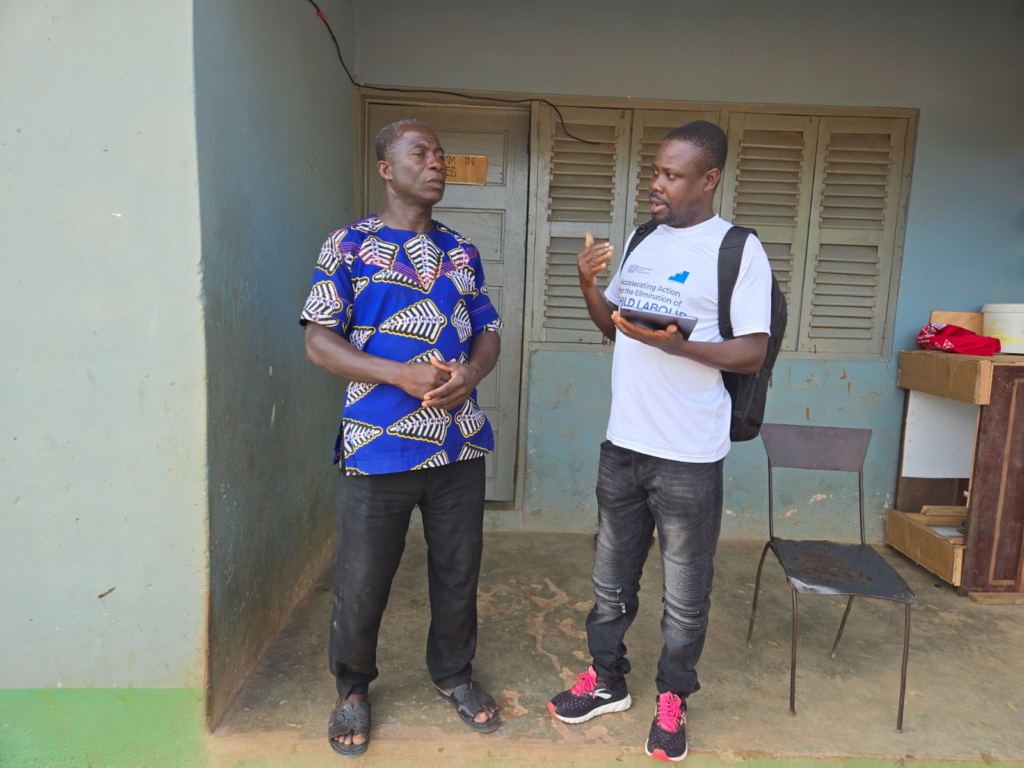
The system also provides opportunities for improved information sharing through interoperability with other child labour monitoring systems.
By strengthening data collection and coordination at decentralised levels, the GCLMS is expected to support timelier and evidence-based decisions, while helping stakeholders track whether interventions are reaching children and families who need them.
For Ghana, the rollout of the new GCLMS marks another step towards strengthening national systems to prevent and eliminate child labour as well as ensuring that every child is protected from work that threatens their safety, development and future.
Latest Stories
-
National Investment Quiz: Corpus Christi, Wesley Girls, advance to semi-finals
10 minutes -
Is Ghana losing the fight to protect children online?
20 minutes -
Ghana Institution of Surveyors pushes for Governing Council Bill, conference reforms
20 minutes -
Professional collaboration key to Ghana’s land, property development – Western Regional Minister
31 minutes -
UPSA holds first session of 18th Congregation.
36 minutes -
Why demand another country’s medical records? – Mahama on Ghana’s rejection of ‘humiliating’ US health compact
40 minutes -
Mentorship critical to survival and growth of MSMEs – Sinapi Aba Trust
40 minutes -
Nsawam Adoagyiri MP joins residents to oppose Agbogbloshie waste relocation to his constituency
52 minutes -
New monitoring system rolled to step up fight against child labour in Ghana
54 minutes -
Patrick Donkor
55 minutes -
GHS, Oxfam sensitise young people in Ekon on contraception, reproductive health to mark World Contraception Day
56 minutes -
Let private sector drive economic transformation – Alan Kyerematen
59 minutes -
GoldBod changes gold assay regime, makes XRF testing definitive from October 1
1 hour -
Ghana sees geopolitical tensions as opportunity to end dependence – Ablakwa
1 hour -
Empower community radio stations to strengthen public engagement – Former Sports Minister
1 hour