

Audio By Carbonatix
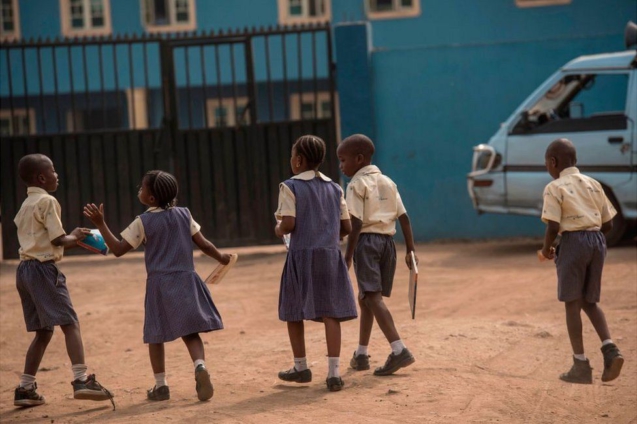
All schools have been told to shut and send children home amid security fears in Nigeria's capital, Abuja, and in nearby Nasarawa state.
Intelligence reports suggest armed groups are planning attacks in several states, including on the capital.
Schools, mainly in northern Nigeria, have become a target of kidnapping gangs in recent years - with hundreds of students held for ransom.
President Muhammadu Buhari is currently meeting with security chiefs.
Most private schools were in the middle of exams when they had to close on Wednesday afternoon.
An official at the association of private school owners in Abuja told the BBC that the directive to shut down had come from local authorities in the capital.
Those schools with adequate security arrangements would be allowed to hold a one-day prize giving ceremony at the end of next week, he said.
But the news has caused concern for parents in a city populated by many civil servants, who often send their children to private schools.
While some schools in Abuja had already closed for the term, the majority were not scheduled to close until next week.
He added that those with adequate security arrangements have been allowed to hold a one-day prize giving day many had been preparing for.
Abuja residents have been feeling uneasy since armed men broke into a prison in the city and released hundreds of criminals a few weeks ago.
On Sunday, at least three soldiers from an elite unit of presidential guards were killed in the Bwari district of the city.
They had been responding to threats of an imminent attack on the Nigerian Law School located in the area. Nearby Veritas University has since shut down and sent students home.
The next day, the government shut down one of its secondary schools in the Kwali suburb of Abuja after a security incident close by.
This level of insecurity in the city is unprecedented since President Buhari took office in 2015.
Security agencies have recently beefed up their security presence at strategic locations within the city centre.
But this seems to be doing little to allay fears, even amongst politicians.
This week, an MP told colleagues who were away from the city not to return for their own safety, highlighting the failures of Mr Buhari's government in dealing with widespread insecurity across the country.
On Wednesday, opposition senators gave the president a six-week ultimatum to find a solution to the security crisis or face impeachment, though they lack the numbers to do so.
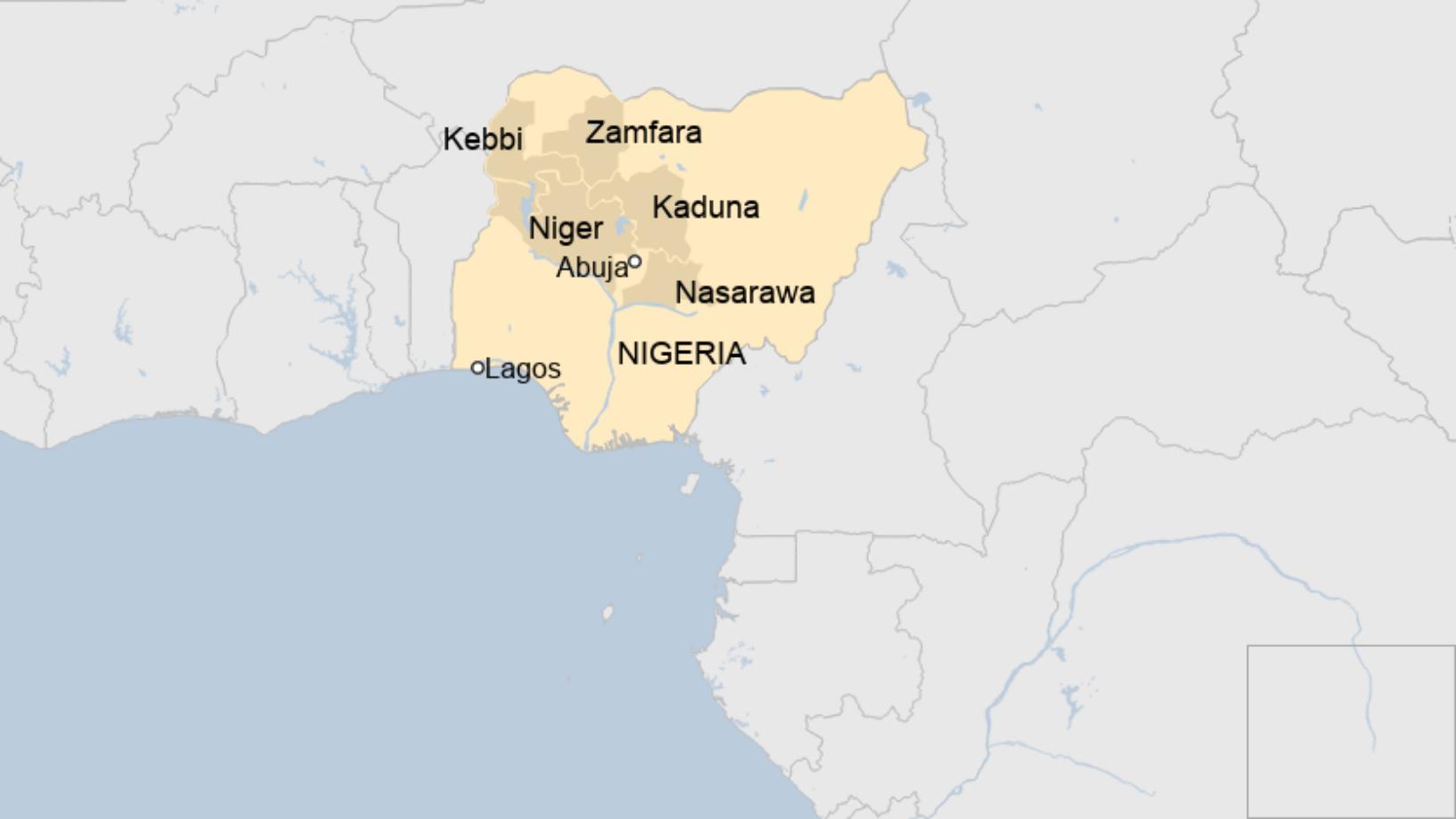
Last year, there were attacks and mass abductions in at least 10 schools in Zamfara, Kaduna, Kebbi and Niger states.
Latest Stories
-
Late Solanke strike salvages 10-man Spurs draw at Man United
3 minutes -
Gender Ministry to monitor welfare of Nana Akua Addo’s children amid domestic violence case
9 minutes -
Benedict Okyere Yeboah: Ghana’s football problem goes beyond sacking a coach
19 minutes -
GPL 2026/27: Darkwah Wiafe’s winner sees All Blacks beat Kotoko
25 minutes -
ITF World Tour : Patel Wins Boys’ Singles Final at J100 Accra
37 minutes -
Ghana must pursue BRICS partnership if it brings economic benefits – Kpebu
40 minutes -
Success and Wright Claims J100 Accra Girls’ Doubles Championship
41 minutes -
ITF J100: America’s Wright wins J100 Accra Girls’ Singles Title
47 minutes -
Expedition hopes to find aviator Amelia Earhart’s plane on remote island
48 minutes -
US seeks changes to rejected $109m health compact with Ghana – Mahama
1 hour -
Nine dead in mass shooting at Pennsylvania home
2 hours -
‘Time for Ukraine to get new president,’ says Trump after Zelensky condemns diesel deal
2 hours -
Hincapie injury adds to Arsenal issues after Guimaraes rescue act
2 hours -
Henderson scores twice as Chelsea thumb Bournemouth
2 hours -
Photos: Mentapulse Africa convenes health and labour summit to address talent retention
2 hours