

Audio By Carbonatix
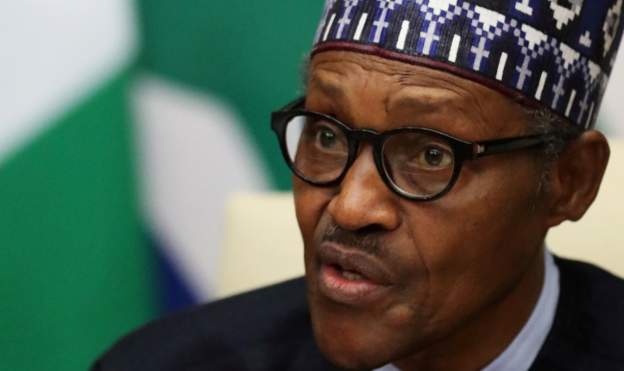
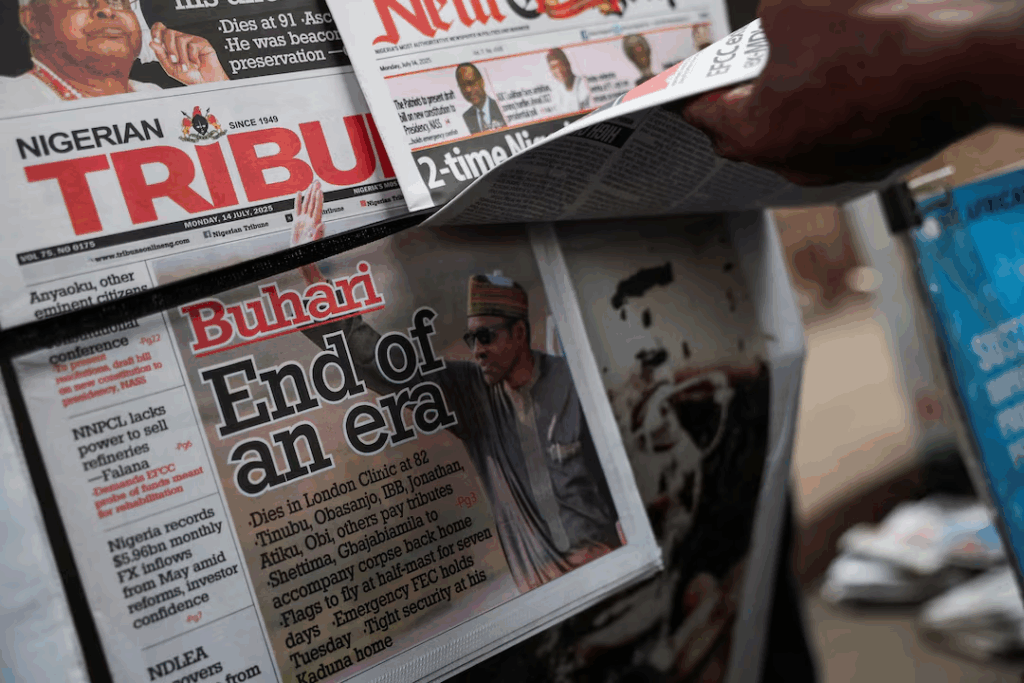
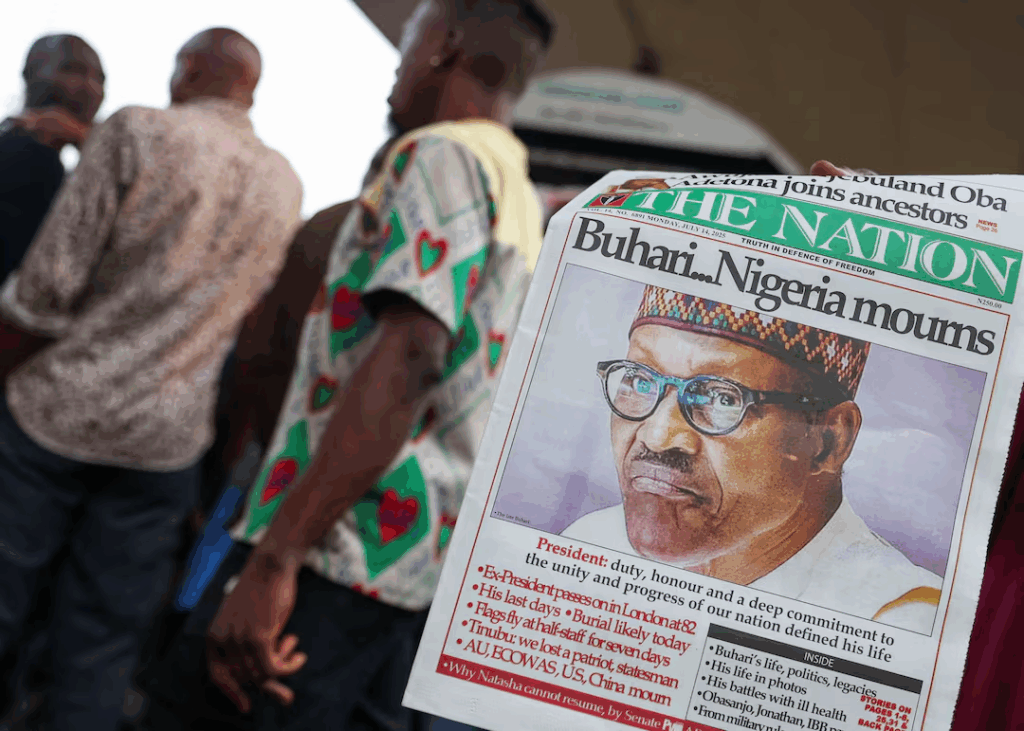
Nigeria's late former President Muhammadu Buhari, who died in a London clinic on Sunday aged 82, will be buried in his northern home state of Katsina on Tuesday, the state governor said.
Buhari, a former military ruler after a coup in the 1980s, returned to frontline politics to become the first Nigerian president to oust an incumbent through the ballot box in 2015. He was re-elected for a second term four years later.
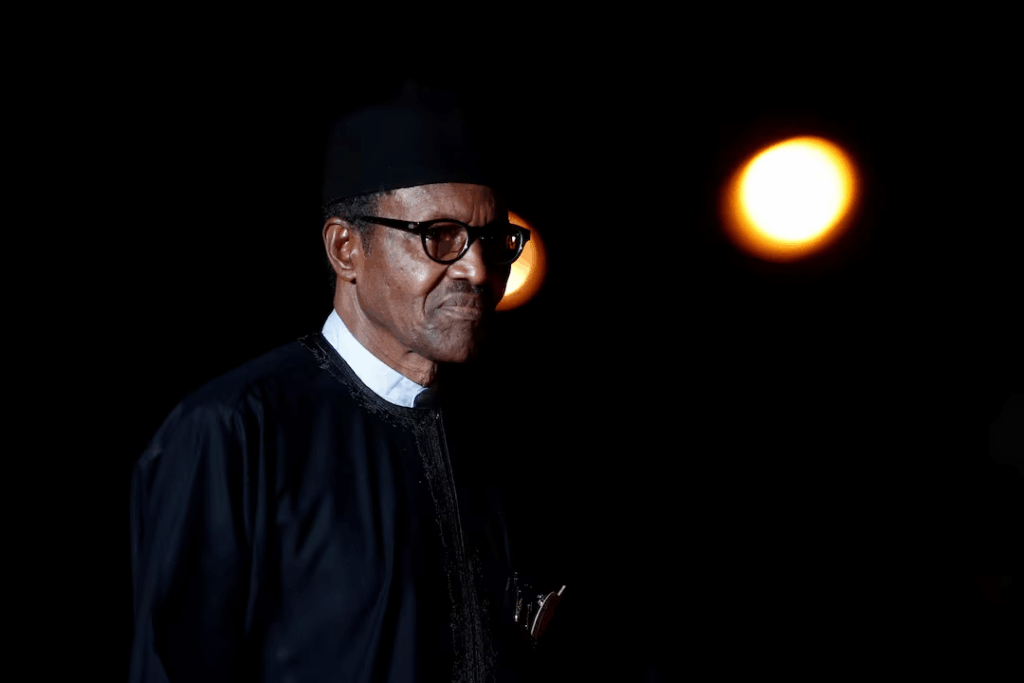
Nigeria's Vice President Kashim Shettima and government officials were in London on Monday to organise the repatriation of the former president's remains.
Katsina state governor Dikko Umaru Radda said after consultation with Buhari's family, it was agreed the body would arrive in Nigeria on Tuesday for burial the same day in his home town of Daura.
Among those who paid tribute to Buhari was Indian Prime Minister Narendra Modi, who posted on the X platform that "his wisdom, warmth and unwavering commitment to India–Nigeria friendship stood out."
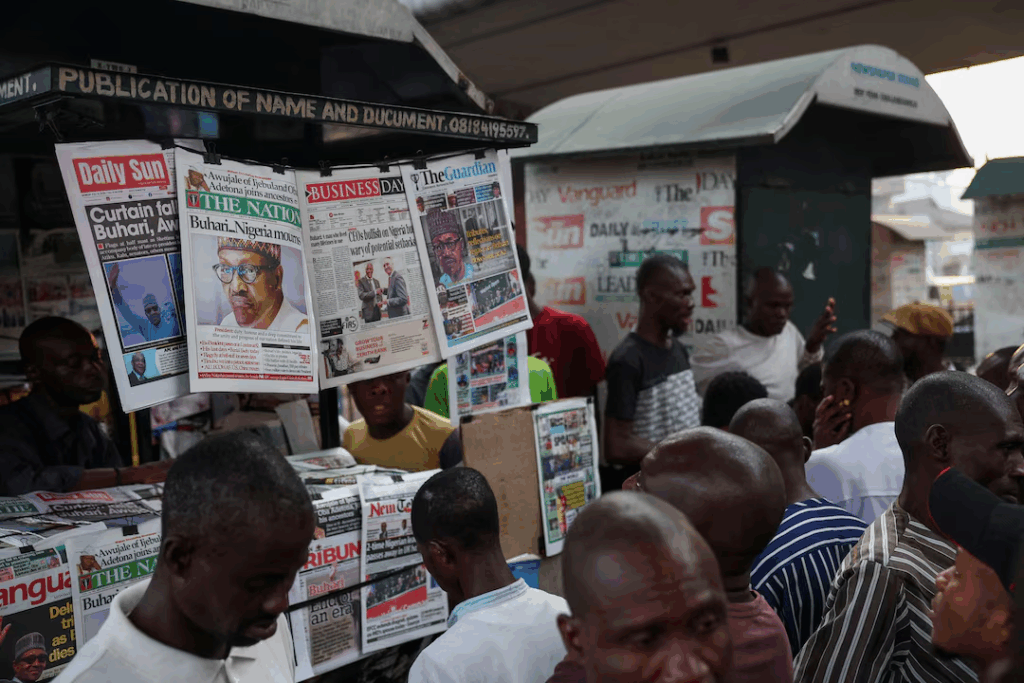
Buhari earned a devoted following for his brand of anti-corruption conviction politics, especially in Nigeria's largely Muslim north.
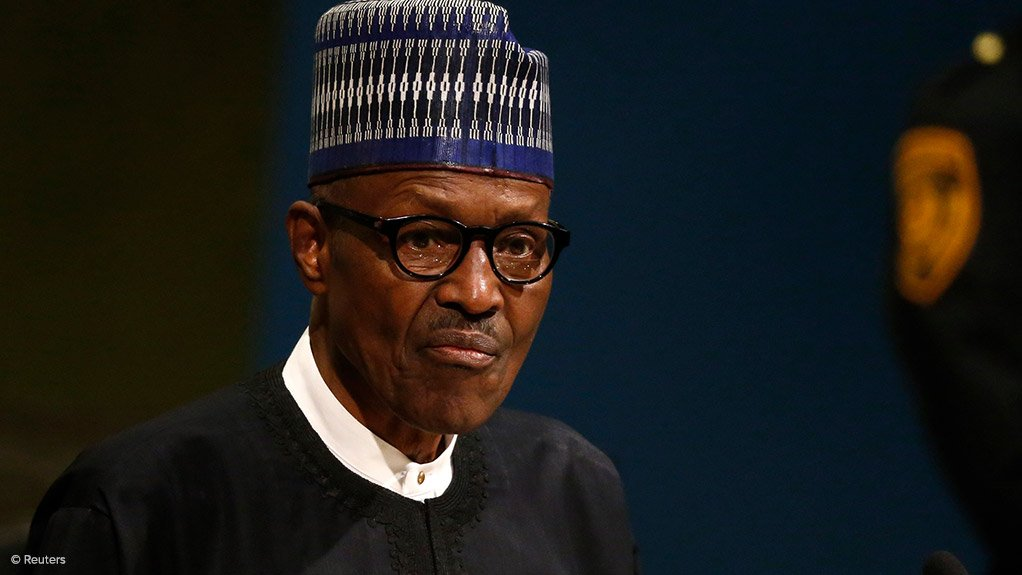
He referred to himself as a "converted democrat" and swapped his military uniform for kaftans and prayer caps.
Ibrahim Babangida, another former military ruler who toppled Buhari in a coup in 1985, said he knew Buhari as a deeply spiritual and humble man.
"We may not have agreed on everything, as brothers often don't, but I never once doubted his sincerity or his patriotism," Babangida said in a statement.
After leaving office in 2023, Buhari spent most of his time in Daura, away from the public eye.
His successor, Bola Tinubu, inherited a country grappling with double-digit inflation, foreign exchange shortages, economic hardship, low oil production and insecurity that had spread to most parts of Nigeria.
Buhari's supporters, however, viewed him as Nigeria's conscience because he had a reputation for shunning corruption and ostentatious lifestyles often associated with the country's political elites.
To his critics, Buhari was "an absentee landlord — a leader who governed by delegation, who disappeared for long stretches (often to London for medical treatment), and whose aloofness felt like abandonment," the local BusinessDay newspaper said.
Latest Stories
-
President Mahama ends Resetting Ghana tour of Ahafo Region
3 minutes -
African negotiators seek delivery of climate commitments at COP31
4 minutes -
BoG develops AI rules for financial sector
6 minutes -
‘Big Push’: Government assures contractors of prompt payments
10 minutes -
Court fines miner for breaking into gold buying shop
20 minutes -
Tarkwa court jails labourer for three years over GH¢123,000 theft
1 hour -
GAEC must retain nuclear scientists for Ghana’s nuclear ambitions – Minister
2 hours -
Man reportedly mistaken for game and shot by hunter dead in forest
2 hours -
19-year-old mason jailed 15 years for defiling seven-year-old pupil
2 hours -
Ghana’s banking sector assets rise 20.47% to GH¢500.2bn – BoG Governor
2 hours -
22 injured as Sprinter bus overturns at Sege after tyre burst
2 hours -
UN housing expert urges Ghana to strengthen Rent Control Department amid housing affordability concerns
2 hours -
Delta-BCI partnership reaches 166,000 people with breast cancer education
2 hours -
Power restoration fault suspected in Kumasi Central Market fire
7 hours -
The 7-foot giant of Ngleshie Amanfro: Seven-foot Ghanaian Ephraim Saawa dreams of joining the national basketball team
8 hours