

Audio By Carbonatix
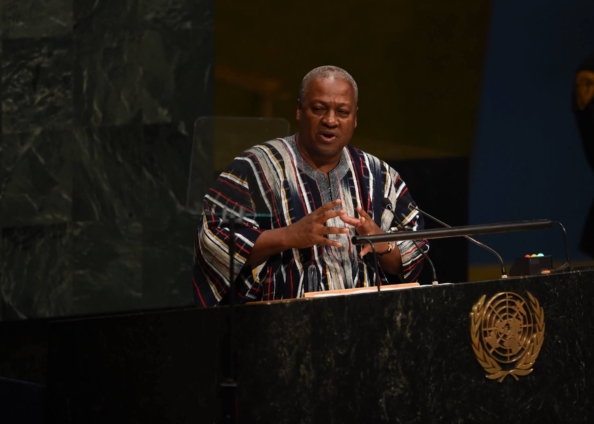
A United Nations vote later this month could redefine how the world formally recognises the transatlantic slave trade, following a proposal led by the President of Ghana, John Dramani Mahama to classify it as the “gravest crime against humanity.”
The resolution, scheduled for debate on 25 March 2026 during the United Nations General Assembly, coincides with the annual International Day of Remembrance for the Victims of the Transatlantic Trafficking of Africans. Diplomats and legal advocates say its adoption would mark a significant shift in global discourse on historical accountability and reparatory justice.
The initiative, first announced by President Mahama in September 2025 at the UN General Debate, seeks to elevate the legal and moral status of the transatlantic slave trade within international law and collective memory.
The Pan African Lawyers Union (PALU), which has thrown its full support behind the proposal, describes the moment as “historic” for Africa and its diaspora. Acting in alignment with the African Union, the group argues that the resolution presents an opportunity to consolidate African unity around a shared past while reinforcing demands for justice.
Legal experts backing the motion contend that the trafficking and racialised chattel enslavement of Africans was not an isolated historical episode but a systemic enterprise that reshaped global economic and political systems. They point to its role in generating wealth that underpinned modern global infrastructure and institutions, with consequences that continue to affect African and diaspora communities.
PALU has also called for broader international support, urging countries with significant populations of African descent to back the resolution. It welcomed ongoing cooperation between the African Union and the Caribbean Community, particularly through joint initiatives aimed at advancing reparatory justice.
Advocates argue that a unified vote in favour would send a strong political signal, reinforcing global commitment to confronting historical injustices. Conversely, they warn that abstentions or opposition could undermine efforts to correct what they describe as long-standing distortions of historical truth.
The proposed designation of slavery as the “gravest crime against humanity” is framed by its supporters as a factual characterisation rather than a comparative hierarchy of suffering. They cite the scale, duration, and enduring impact of the transatlantic system as justification for the classification.
Beyond symbolism, proponents say the resolution could lay the groundwork for more substantive discussions on reparations, reconciliation, and development. They emphasise that acknowledging historical truth is central to addressing the long-term social, economic and institutional effects of slavery.
The outcome of the vote is expected to carry diplomatic significance, particularly for African states, Caribbean nations, and their partners, as they seek to build a unified front on issues of historical justice within the multilateral system.
Latest Stories
-
NPLs declined to 15.7% in August 2026
11 minutes -
Existing Cedi notes to remain legal tender alongside Heritage Series – BoG
18 minutes -
Consumer, business sentiments positive – BoG
27 minutes -
There’ll be no GH¢500 Cedi note as part of Heritage Series issuance – BoG
45 minutes -
Heritage Series Cedi notes to modernise cedi while preserving national identity – BoG
59 minutes -
Ghana’s business environment at ‘Inflection Point’ as private Sector takes greater lead — Vish Ashiagbor
1 hour -
At least 2 new airlines could join domestic aviation market by 2027 – GCAA Director General
1 hour -
What if Ghana’s next tourism boom begins with Ghanaians?
2 hours -
Energy Commission to monitor EV charging stations
2 hours -
Invest with confidence, Ghana’s golden era is beginning – Finance Minister
2 hours -
Do Ghana to launch The Great Ghana Day Out on World Tourism Day
2 hours -
Clean up our politics before politics cleans us up
2 hours -
2025 was a turning point, says Abradu-Otoo as NAFCO posts record GH¢91.7m profit
3 hours -
Today’s front pages: Friday, September 25, 2026
3 hours -
‘FA President has four clubs; what do you think he would do?’ – Nana Baffour Awuah fires back
3 hours