

Audio By Carbonatix
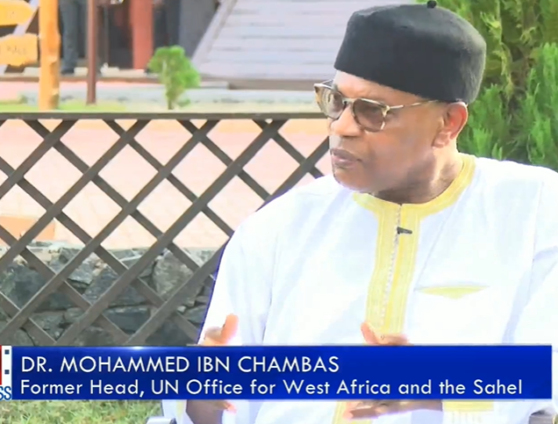
Former Head of the UN Office for West Africa and the Sahel, Dr. Mohammed Ibn Chambas says it is ironic how opposition parties always have some ideology of how a country must be run, what is working and what is not until they come into power.
According to him, when the said parties win power, it seems those ideas they originally generated no longer fit the job description hence are not able to move the country forward.
“There seems to be an admission that we need to do something about it but the mechanics of doing something about it just seems to be what is lacking.
“When each of the parties is in opposition, they tend to advocate more for dealing with this winner takes all, but then when they come into government, the appetite weakens a bit" along with "the urge to bring about the necessary reforms."
Speaking to JoyNews’ Evans Mensah, Mr Chambas revealed that regardless of where the priorities of political parties lie, there is still a strong need for multiparty systems.
As a man well vested in the field of politics and mediation, he explained this to be that the multi-party system "served well" and is a key feature of the democratic dispensation that Ghana has decided to practice.
“It serves well, it allows for debate, contrasting and opposing views out of which good ideas can come out of," he stated.
He, however, advised that for a country making strides and gaining international recognition, Ghana must move past some actions and inactions of some leaders that hinder such progress.
"Given where we are, still 60 plus years after independence, sometimes there is this desire to see the country move and it seems that oftentimes just when we seem that we are about to take off, then we seem to slip again," he complained bitterly.
He added that for leadership and developmental changes to be possible, there was a need to adopt some multi-party practices that are currently working for other States and incorporate it with what is being done in Ghana.
“Looking globally, there are probably other systems of governance, democratic modules based on multi-partyism...where perhaps broader spectrums or views can be taken on board. Inclusiveness in governance can also be effective and evident," he said.
Latest Stories
-
GPL 2025/26: Dreams FC stage stunning comeback to hammer Eleven Wonders
1 hour -
Livestream: The Probe examines Kumasi’s looming water crisis
1 hour -
MTN Ghana gears up to lead Africa’s AI revolution
1 hour -
Philanthropist Alhaji FuZak donates Da’wah bus to Ambariya Sunni community
1 hour -
GUTA calls for suspension of Publican AI system over trade disruptions
2 hours -
TTAG raises alarm over proposed recruitment of 7,000 teachers, demands national posting roadmap
2 hours -
Civilians feared killed after reports of air strike on Nigerian market
2 hours -
Bishop Simon Kofi Appiah installed as new Jasikan Diocese Bishop
2 hours -
Trump’s Strait of Hormuz blockade threat raises risks and leaves predicaments unchanged
2 hours -
US Court backs extradition of former MASLOC CEO Sedina Tamakloe-Attionu to Ghana
3 hours -
Seven arrested as NAIMOS dismantles illegal mining camp, seizes firearms at Boin River
3 hours -
Fire erupts at Madina Ritz Junction, destroys multiple wooden structures and containers
3 hours -
Daniel-Kofi Kyereh returns from long-term injury, registers assist for Freiburg U23
3 hours -
Knifeman calling himself ‘Lucifer’ slashes three at NYC’s Grand Central
3 hours -
Brands are built from within to without
3 hours