

Audio By Carbonatix
This year’s PLANETech Week summit was impressively revealing, from decarbonisation of one of the world's most carbon-intensive sectors to cutting-edge agricultural technology and alternative protein.
It demonstrated Israel’s formidable climate and technology ecosystem, long recognised as one of the world’s most advanced, with the nation now powering a new frontier in global climate tech innovation.
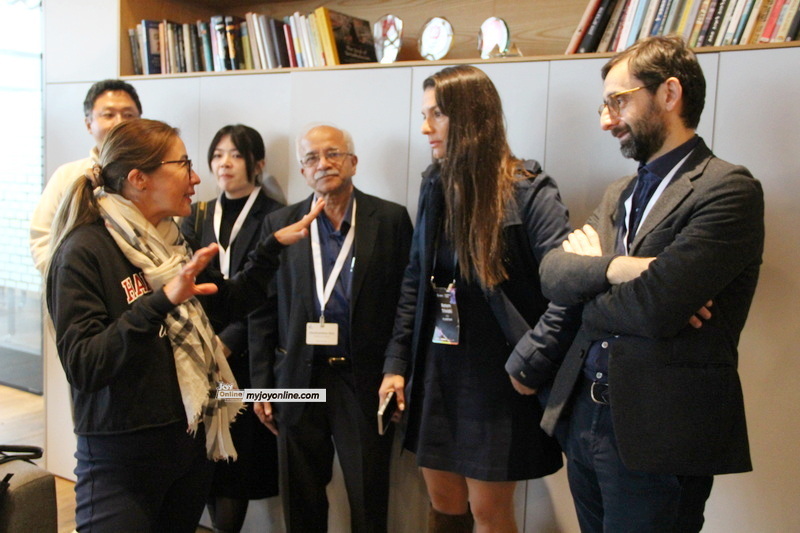
PLANETech, an Israeli initiative that advocates climate innovation, is on a mission to harness the country's cutting-edge technology to tackle one of the world's most pressing issues, climate change.
With a focus on Africa, including Ghana, this ambitious project is set to transform the continent's environmental landscape.
The goal is to deploy 100 climate-tech solutions across the continent, impacting millions of lives.
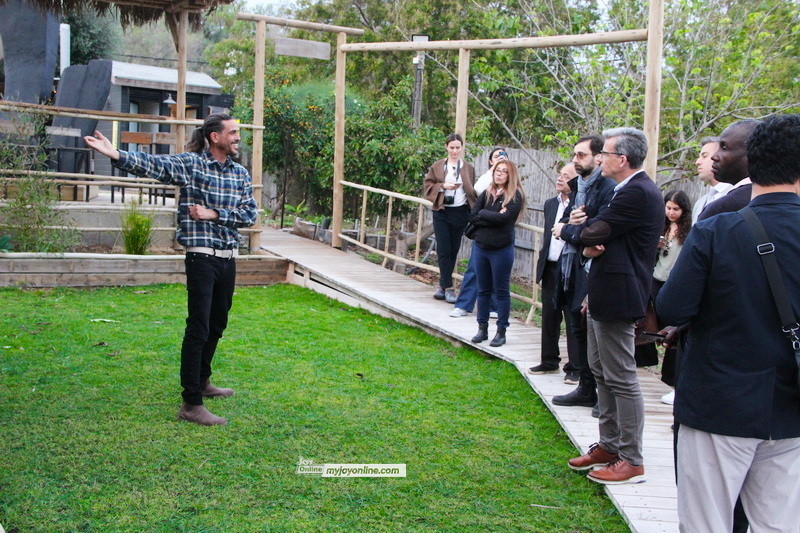
PLANETech has become a major exporter of climate solutions, leveraging the country’s manufacturing precision and defence-born technologies for environmental impact.
The annual event was geared towards driving worldwide climate action with Israeli innovation, using the country's advanced technology ecosystem to tackle global environmental challenges.
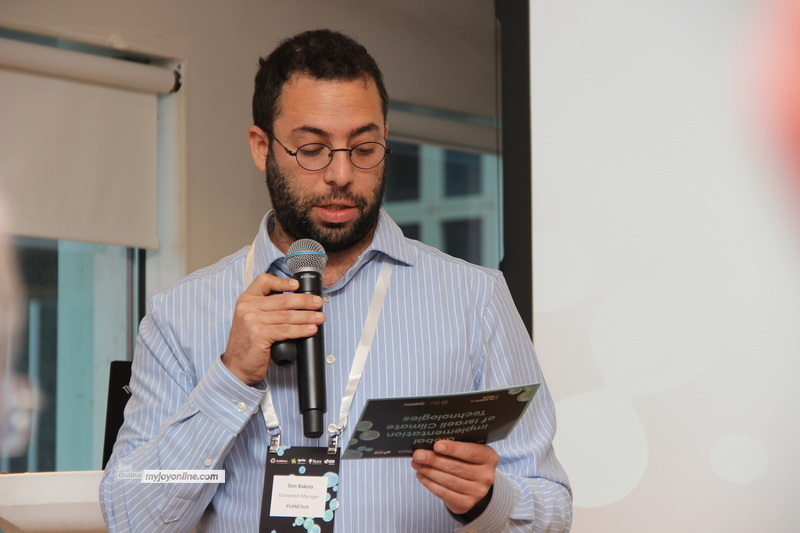
The good news is that PLANETech’s 2026 action plan focuses on Africa projects, including Ghana.
The initiative is already making waves in Africa's Great Green Wall and Latin America's Atacama Desert.
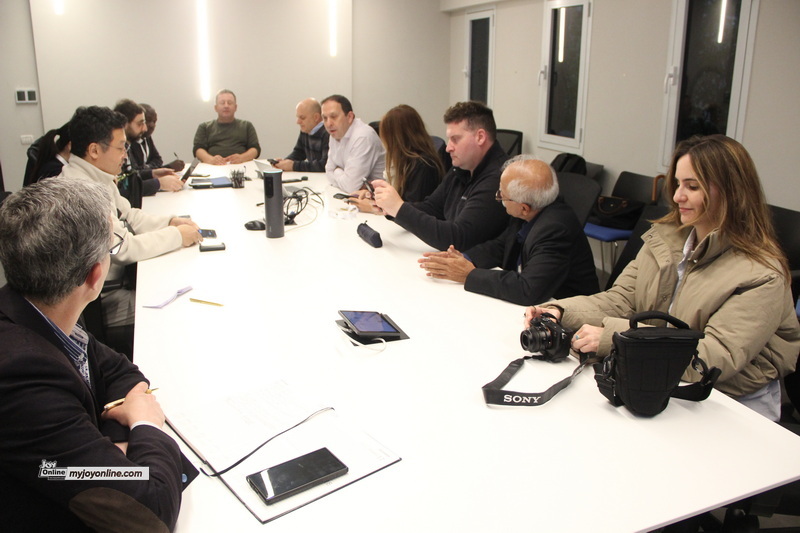
With regard to its global reach, collaborations with UNCCD and local partners enable the effective deployment of Israeli climate solutions in Africa and Latin America.
PLANETech connects international investors with Israeli climate-tech innovators, fostering global partnerships.

The Israeli government has declared food tech, with an emphasis on alternative proteins, as one of its national priorities.
The Israel Innovation Authority (IIA) has invested over NIS 230 million (US$71,724,948.00 ) in grants for the food tech industry, with over NIS 140 million ( US$43,654,165.52 United States Dollars) dedicated to alternative proteins.
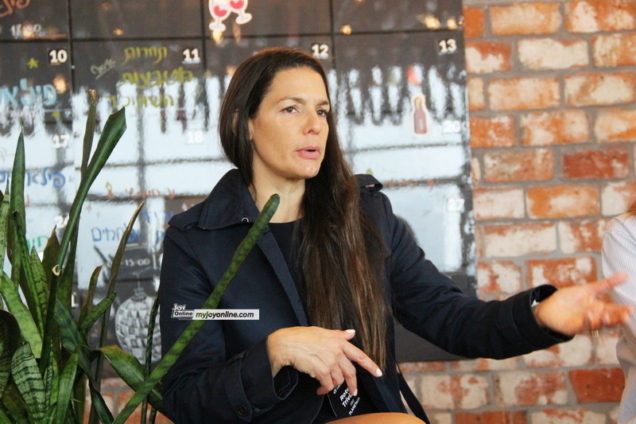
In her closing address, Director of Planetech, Madam Rotem Trivizki, said that Planetech taps into the security industry in Israel and tries to create as much dual use as it can, which means that it uses its technology and manufacturing capabilities to create more solutions for the climate.

It’s one way to overcome scaling challenges; however, scaling isn’t confined to Israel’s borders.
“A lot of the scaling of Israeli ideas will happen abroad, which is okay because the markets are abroad,” Madam Rotem Trivizki noted.
According to her, "Mexico is an incredible market for Israeli technology, and India for sure, and many others.”
One of Planetech’s most impactful ventures took place in sub-Saharan Africa under the UN Convention to Combat Desertification (UNCCD).
Ten countries, including Ghana and Kenya, participated in a multi-year initiative aimed at bolstering their certification under the Great Green Wall programme.

In 2023, Ghana actively participated in Israeli-led climate tech and innovation programmes, with recent collaborations focusing on water management, sustainable agriculture (agritech), clean energy, and general climate resilience, involving training, knowledge exchange, and establishing innovation hubs.
Israel's MASHAV agency and local entities like the Ghana Climate Innovation Centre (GCIC) and Kenya Private Sector Alliance (KEPSA) facilitate these partnerships, showcasing field-tested Israeli solutions for local climate challenges.
Under the programme, the governments of the two countries identified their environmental challenges, which were then reframed into technological problems. Israeli and international firms were scouted to provide solutions, many of which were deployed directly in participating countries.
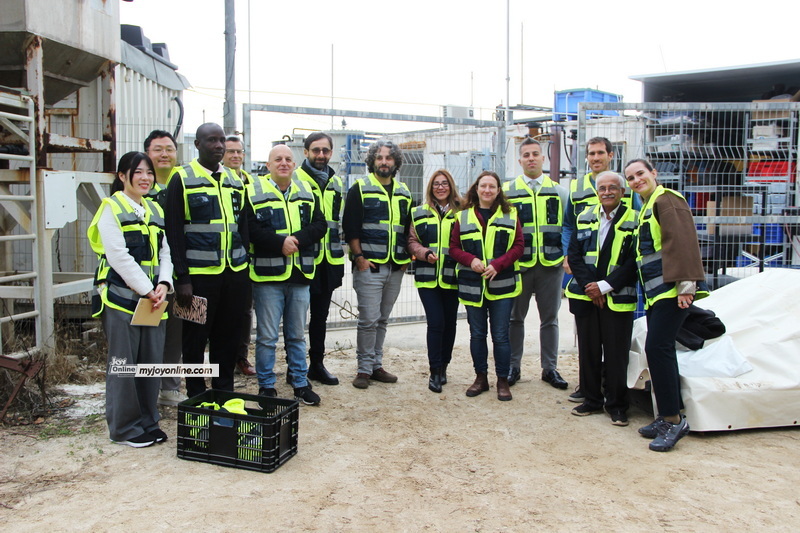
“We brought in companies from 10 sub-Saharan African countries.
They presented their problems, we translated those into technological challenges, and then we scouted for technologies to solve them… We then deployed them in Africa,” She said.
The collaboration laid the groundwork for future climate-tech integration across the continent, and Ghana emerged as a standout example of efficient coordination and on-the-ground implementation.
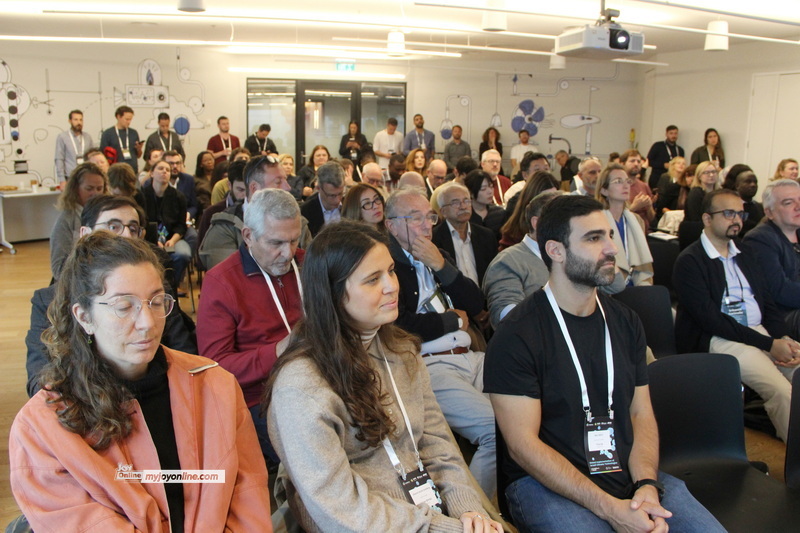
The model proved successful and was replicated in one of the driest regions on Earth, the Atacama Desert, spanning Chile, Bolivia, Peru, and Argentina.
Again working with the UNCCD, Planetech deployed Israeli water, soil, and climate-resilience technologies to tackle extreme drought conditions.
Operating without permanent offices abroad poses challenges, but Madam Rotem Trivizki says the solution lies in trusted local partners.
In Latin America, the Inter-American Development Bank (IDB) serves as a crucial bridge to governments, while in Africa, the UNCCD provides institutional anchoring for national collaboration.
“Working with local partners is essential to making sure the deployment sticks and the technology is transferred effectively.”
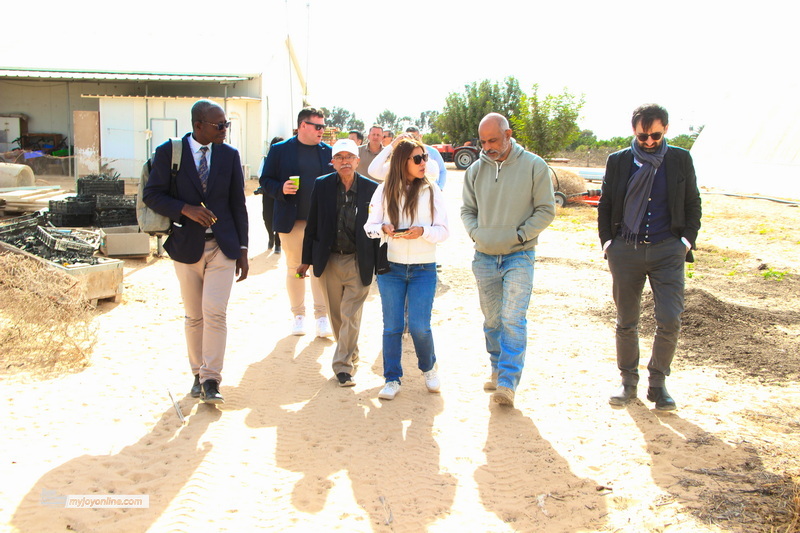
Beyond technology deployment, Planetech is also shaping a new ecosystem of global climate investors.
This year’s programme brought together 15 venture capitalists from 10 countries, including Brazil, India, Singapore, Australia, Germany, Bahrain, and the United States, for a mission to Israel.
The goal is to match top-tier investors with Israeli climate-tech innovation.
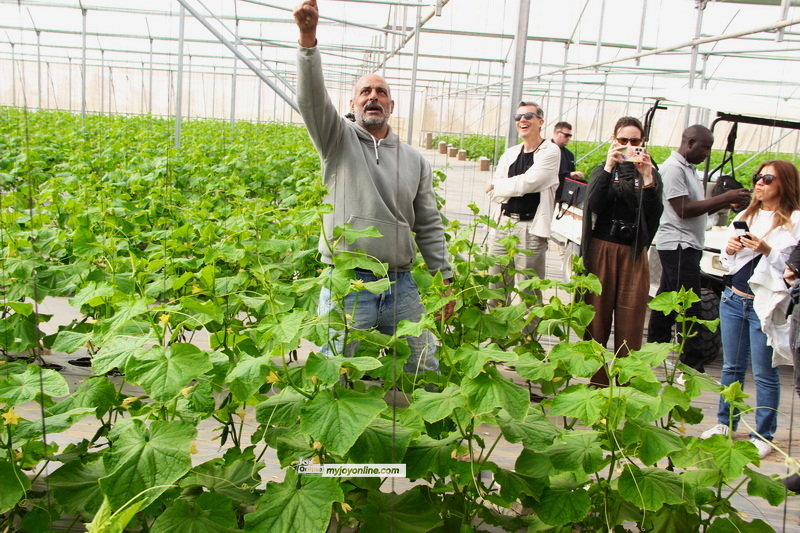
Selecting investors, however, is more delicate than it sounds.
“They must be willing to work with Israeli companies; that’s something you really need to verify today,” the official said. “We check that they’re actually able to invest without political pressure.”
As Planetech enters its post–tech week phase, it promises a fuller account of the year’s success stories, an expanded 2026 action plan, and renewed focus on its Africa projects – Ghana included.
Latest Stories
-
ICU urges GHABA members to transform hairdressing skills into sustainable enterprises
13 minutes -
Ghana eyes stronger trade ties as Australia hosts multicultural trade and investment forum
22 minutes -
Margaret-Marie Krakue
25 minutes -
Ayariga announces plans for live broadcast of MMDAs’ meetings on local radio stations
28 minutes -
Mrs Anna Tackie
30 minutes -
Ghana links Afghan heroin and Brazilian cocaine to global drug markets – Global Organised Crime Index
37 minutes -
NHIA launches nationwide inter-school quiz to deepen students’ knowledge of NHIS
44 minutes -
Political protection could be masking Ghana’s cocaine trade – Global Organised Crime Index
49 minutes -
AFCON 2027Q: ‘We have to dissolve the GFA’ – Effia MP after Black Stars lose to Gambia
51 minutes -
NPP announces voting schedule and ID requirements for October 3 national elections
53 minutes -
Lupus can mimic HIV symptoms and damage kidneys if untreated – KNUST expert
56 minutes -
Focus on Sickle Cell Foundation seeks to introduce sickle cell education through comics in Ghanaian schools
1 hour -
NPP rewrites the campaign playbok as opposition reality shapes National Executive contest
1 hour -
Road safety education will fail without enforcement – NRSA boss
1 hour -
Daily Insight for CEOs: Finishing Q3 strong and entering Q4 with purpose
1 hour