

Audio By Carbonatix
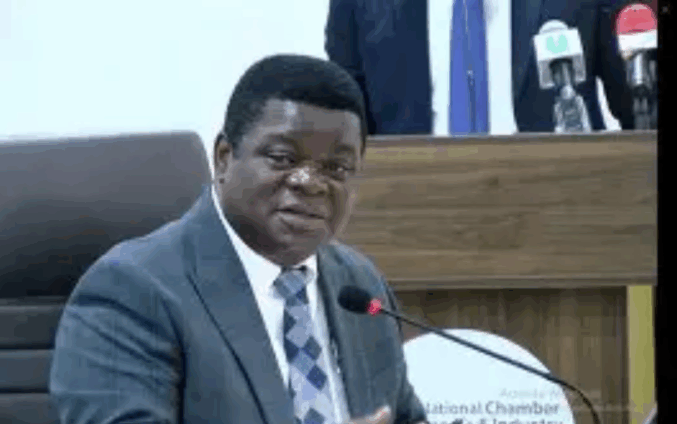
Economist and Director of the Legon Centre for International Affairs and Diplomacy, Professor Peter Quartey, has stressed the need for increased investment in agriculture as a key step to controlling inflation in Ghana.
Speaking on Joy FM’s Super Morning Show on Thursday, October 2, Prof. Quartey explained that food remains central to tackling inflation, which he described as “more money chasing fewer goods.”
“If you want to address inflation, it’s either you control the amount of money in circulation or you enhance the production of goods and services—or do both—depending on how you want to tackle it. Therefore, we have to enhance food production in the areas where we are recording very high rates of inflation,” he said.
According to him, a major obstacle is the limited investment in irrigated farming. Currently, irrigated land in Ghana accounts for less than 5 percent of total farmland—a situation he believes must change, particularly in the face of climate change.
“If we continue to rely on rain-fed agriculture, it’s not sustainable, and we will keep witnessing high rates of inflation in certain parts of the country. That, for me, is a worry because our livelihoods are threatened,” he warned.
Prof. Quartey also raised concerns about the effects of illegal mining on food production, noting that farmlands and water sources were being destroyed.
“Already, we are faced with illegal mining where agricultural lands are being converted, our water bodies are being poisoned, and therefore our food basket is threatened. If we don’t do something now, we will get to a point where we have to import our food,” he cautioned.
He further compared inflation trends in imported and locally produced food to highlight inefficiencies in Ghana’s production system.
“Imported food has an inflation rate of 8.7 percent, while locally produced food stands at 12.2 percent. It tells you there is inefficiency in our production. It shows that the cost of producing local goods is higher than importing them. No wonder we are always importing, and our exchange rate is challenged,” he added.
Latest Stories
-
Two Nigerians sentenced to 189 months in US prison over $2.4m cyber fraud
12 minutes -
Cristiano Ronaldo leaves Portugal’s training camp after rift with Head Coach
13 minutes -
Ghana Energy Awards opens nominations for landmark 10th anniversary edition
14 minutes -
Aayalolo contra-flow: Are we treating the symptom instead of the disease?
17 minutes -
GTEC orders Colleges of Education to begin 2026/2027 admissions despite fees approval delay
20 minutes -
Legal reforms must solve real problems, improve justice – Bagbin
23 minutes -
Ofori-Sarpong named Alumni President of the Year, honoured for PRESEC dormitory project
1 hour -
Germany commits $132m to Ghana for skills development and training university – Pelpuo
1 hour -
‘Influence should go beyond visibility’ – Taadi Banyinba GH launches The TB Impact
1 hour -
Videos: Government announces emergency LEAP package for Hohoe flood victims
1 hour -
Salomey Baffoe’s children are crying for their mother – Family appeals for her release
1 hour -
Shortage of trained investigators and prosecutors hampers Ghana’s fight against money laundering – Report
1 hour -
GoldBod generates US$1.87bn in September FX operations, exceeding monthly target
1 hour -
Roads Minister says it is time to change one-year defect liability period for contractors, consultants
1 hour -
Nana Asamoah takes Highlife across five West African languages
1 hour