

Audio By Carbonatix
In recent years, QNET, a prominent direct-selling firm headquartered in Hong Kong and Malaysia, has faced significant scrutiny and accusations of scamming and extortion, particularly in Ghana and other West African countries.
The company has always maintained its innocence, blaming a few unscrupulous Independent Representatives (IRs) for taking advantage of the company’s global appeal to dupe innocent people.
To uncover the truth, I traveled to Malaysia in May, coinciding with QNET's annual convention, V-CON. In this article, I share my findings.
My journey was long and tiring, but ultimately enlightening, providing insights into a company that is genuine in its operations yet plagued by misunderstandings and malicious misuse of its name.
Malaysia, known for its law and order and growing prosperity, was the perfect setting to explore QNET's true nature. The QI Tower in the Pataling Jaya district of Kuala Lumpur, a 15-storey edifice owned by QNET’s parent company, QI, is where my investigation began.
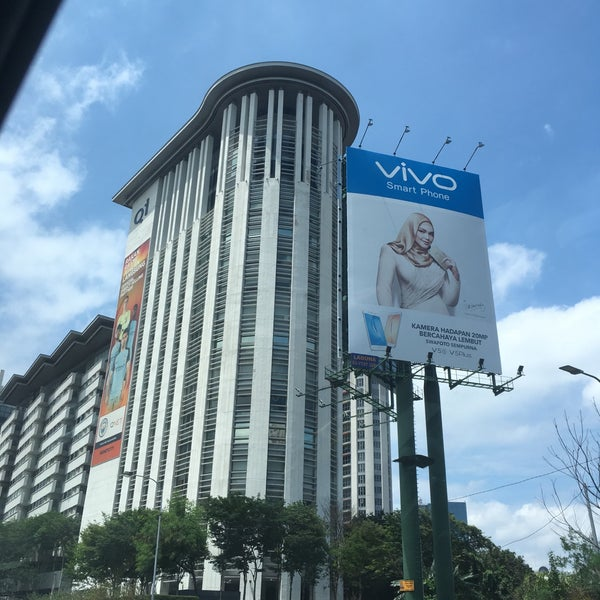
This tower is not only a testament of the QI Group’s reach but also houses a wide range of QNET’s products, from energy and weight management solutions to personal care and technology products. The QI Group, a diversified multinational entity headquartered in Hong Kong, boasts a presence in nearly 30 countries, underscoring the legitimacy and scale of QNET’s operations.
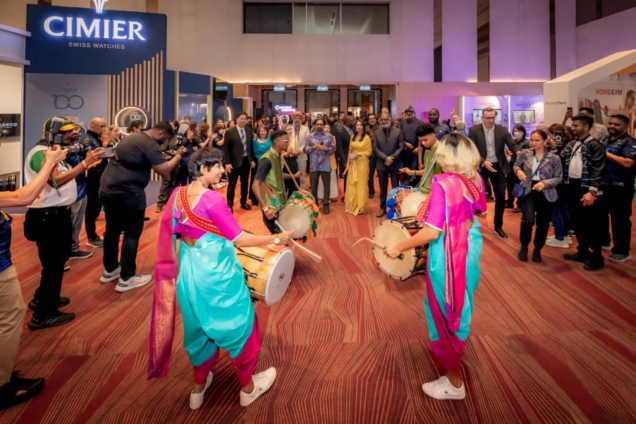
The timing of my visit was opportune as it coincided with V-CON 2024, one of the largest gatherings of business leaders and entrepreneurs associated with QNET globally.
The convention was abuzz with energy as attendees from India, Pakistan, Bangladesh, and other countries around the world shared their success stories and experiences with QNET.
The highlight of the event was the arrival of QNET’s Founder and Chairman, Vijay Eswaran, and Co-Founder, Joseph Bismark. Their speeches, along with those of other leaders, painted a picture of a company committed empowering people through direct selling.
A Legacy of Overcoming Challenges
But it has not been all rosy for QNET throughout its 25 years of operation. As the business expanded into new territories, it often faced challenges before establishing a formal presence.
Unscrupulous individuals would exploit QNET's reputation for personal gain, damaging the company's image in the process. Deputy Chairperson Malou Caluza, who has been with QNET since its inception, explains how the company has flourished despite these adversities.
She said, “Our first five to ten years were particularly challenging. We faced numerous issues, from handling global customer support out of a few offices in Hong Kong and the Philippines to addressing concerns about our unique product offerings.

Initially, our products were not the typical consumables seen in other direct selling companies. We started with gold and collectible coins, which brought us distinct challenges. Over time, we adapted by partnering with suppliers to offer a wider range of products that meet every day needs."
She continued, “Despite the adversities, our founders believed in staying committed to every market we entered, no matter how tough the circumstances. This guiding principle has helped us build resilience. Even in West Africa, where the challenges are significant, we remain steadfast because we believe in the opportunity we offer, especially to the youth in developing countries who might not have other opportunities.”
Clearing Misconceptions and Addressing Concerns
A critical moment during V-CON was when QNET’s leadership addressed the media, responding to concerns about human trafficking and scams falsely linked to the company. Nikhil Patel, Chief Legal Officer of QNET, emphasized the common misconceptions about QNET’s business model. He clarified that QNET operates a direct selling model, not a pyramid scheme. The distinction is crucial: in direct selling, commissions are earned through the sale of products, not by recruiting new members.

Patel explained, “The fundamental difference is that in a pyramid scheme, you earn by recruiting individuals, whereas in direct selling, like QNET, you earn by selling products. Our commissions are based on product sales, not on how many people you recruit. This model has sustained us for over 25 years, with continuous new sign-ups and a vast array of products.”

The negative perceptions in Ghana and other West African countries stem from individuals who misuse QNET’s name to perpetrate scams and human trafficking. These unscrupulous actors misrepresent QNET’s business model, leading to the false accusations that have tarnished its reputation. QNET is actively working with law enforcement and state institutions in these countries to address these issues and bring the culprits to justice.
Global Success and Commitment to Social Responsibility
In contrast, in regions where the business model is well understood, such as Asia and North Africa, QNET is seen as a vehicle for wealth creation. This year's V-CON at the SPICE Arena in Penang Island, Malaysia, saw nearly 10,000 attendees, all testifying to the life-changing impact of QNET’s business model.

Beyond business, QNET is committed to social responsibility. It is investing in its education arm, Quest University, aiming to elevate it to the standards of Ivy League schools. Its medical school is making strides in diabetes management research. Additionally, the RYTHM Foundation, QNET's philanthropic arm, partners with the ANOPA project in Ghana, to support children with visual and hearing impairments.

QNET is also exploring partnerships with football academies in Ghana to support grassroots football development, demonstrating its commitment to nurturing young talent and giving back to the community.
From my observations and interactions during V-CON, it is evident that QNET is a credible organization with a legitimate business model. The company’s focus on product sales rather than recruitment, its extensive global operations, and its commitment to social causes underscore its genuineness.
QNET in Ghana
However, with significant improvement from what was obtainable in the past and lower number of cases of persons arrested for fraudulent activities allegedly associated with QNET, the situation in Ghana remains challenging as there are still some cases of people misrepresenting the company.

For instance, the Koforidua Circuit Court in the Eastern Region remanded 15 individuals who had claimed to be officials of QNET into police custody. They had used the name of QNET to scam innocent persons by convincing them to take loans and selling family properties to invest in what they believed to be promising business opportunities. Some desperate job seekers have also been found waiting under tents, hoping for employment promised by these people.

QNET insists and warns that these issues are not representative of its business model and blames local bad actors for misusing its name. The company continues to work with local authorities to ensure that such abuses are curtailed and that its genuine business practices are understood and implemented correctly.
My trip to Malaysia revealed that QNET is not a scam but a legitimate business endeavor that has been misunderstood and misrepresented by some. It offers a viable income opportunity for thousands worldwide, as the company continues striving to provide the right safeguards to prevent misuse of its name and model.
Latest Stories
-
The 7-foot giant of Ngleshie Amanfro: Seven-foot Ghanaian Ephraim Saawa dreams of joining the national basketball team
1 minute -
Government promises support for Kumasi Central Market fire victims
8 minutes -
Vibes The Movie: Big Ghun’s Ghanaian film earns five nominations at 2026 REFFA
38 minutes -
MamaCare CEO warns unresolved conflicts among health workers could undermine maternal and neonatal care
1 hour -
Health professionals urged to translate medical knowledge into practice to save mothers
1 hour -
Conflicts among care providers linked to maternal, neonatal deaths – Expert
3 hours -
GIS marks 10th TIME conference, champions improved teaching practices
3 hours -
BRICS Or Balance? What Ghana’s bid really means
3 hours -
GPRTU wants full TRAFFITECH-GH implementation to start in 2027
4 hours -
Mahama announces plans to import electric wheelchairs for PWDs
4 hours -
KGL U17 Colts 2026: Western beat Prempeh Elite Academy to set up final final with Greater Accra Region
4 hours -
Late Solanke strike salvages 10-man Spurs draw at Man United
4 hours -
Gender Ministry to monitor welfare of Nana Akua Addo’s children amid domestic violence case
4 hours -
Benedict Okyere Yeboah: Ghana’s football problem goes beyond sacking a coach
4 hours -
GPL 2026/27: Darkwah Wiafe’s winner sees All Blacks beat Kotoko
4 hours