

Audio By Carbonatix
Media professionals have been urged not to discard information shared on social media.
The expert want pressmen to take advantage to reflect on the content, call out falsehoods, and fact-check them.
According to Kwaku Krobea Asante, Fact-Check Lead at Media Foundation for West Africa (MFWA), while cases of misinformation, disinformation and mal-information would continue to exist, media practitioners could help change the narrative.
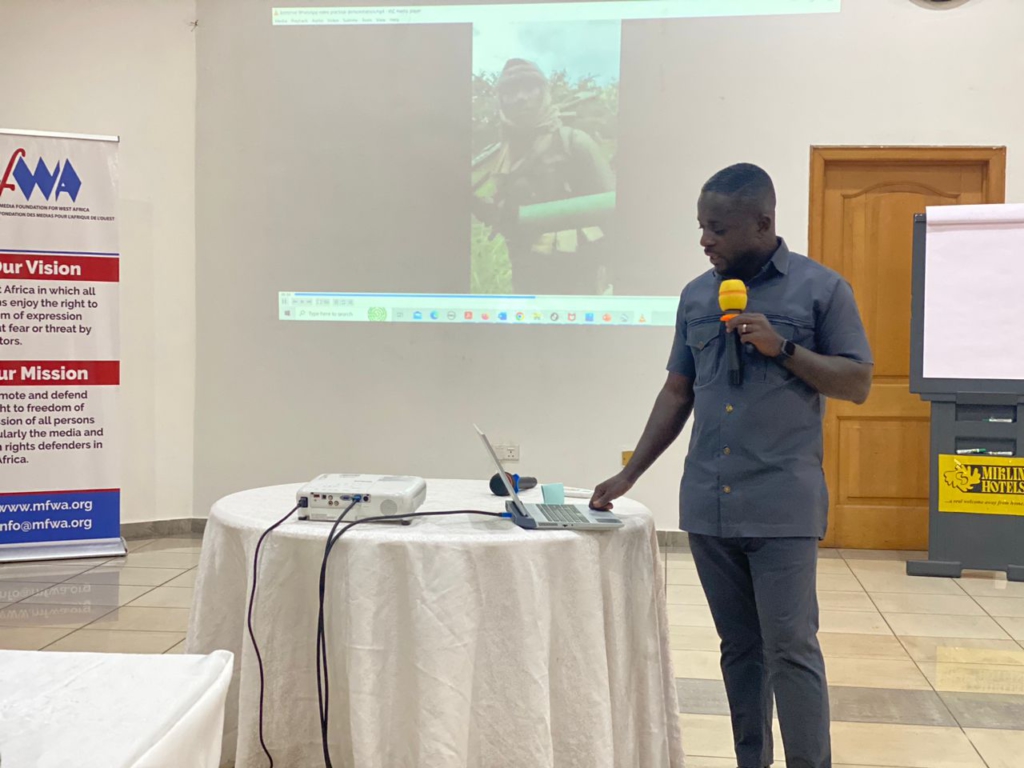
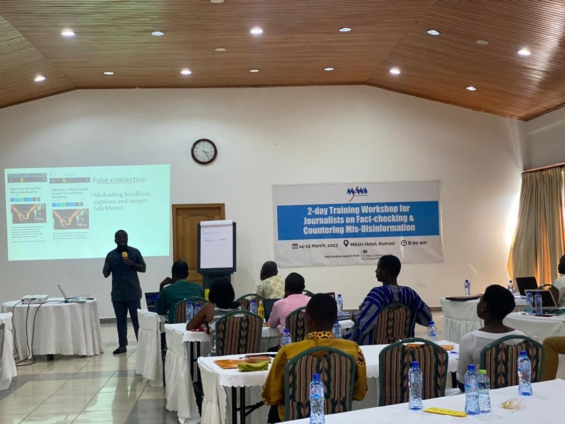
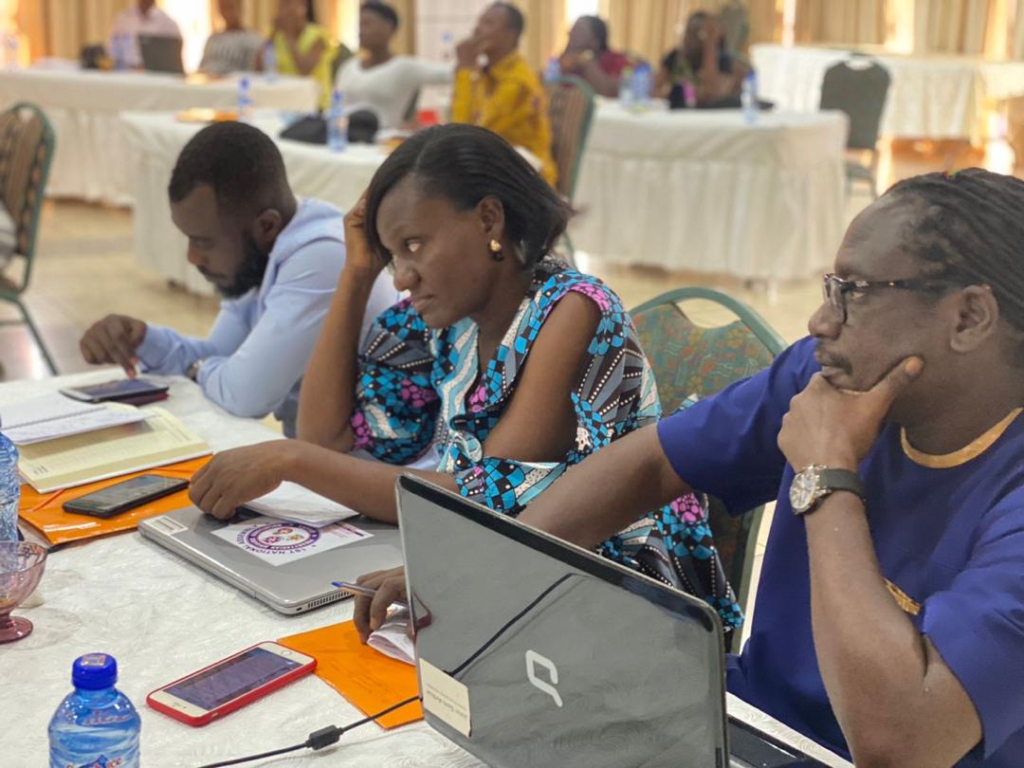
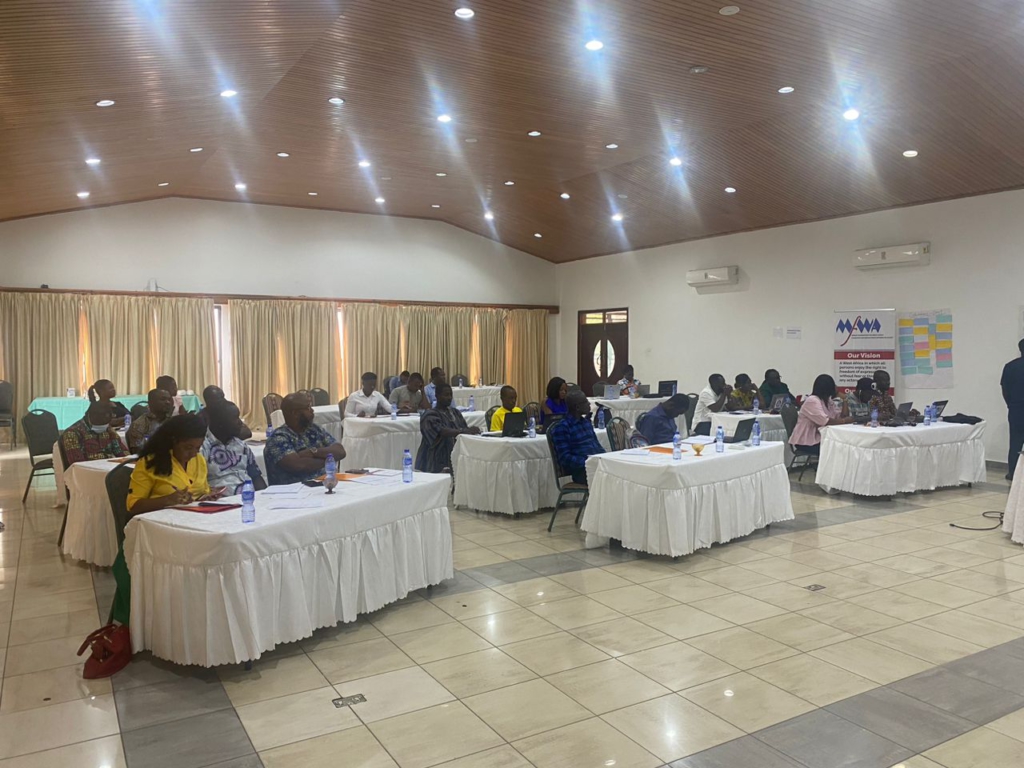
He was speaking at a two-day training workshop on fact-checking and countering misinformation for 25 media practitioners in Kumasi.
According to the website, Statista 2020, the global economic damage caused by the dissemination of false news in the financial, political, and healthcare sectors is around 78 billion dollars.
The actual loss, however, is the sensation of general confusion generated by a steady flow of disinformation.
Some Ghanaians are questioning the relevance of social media, which is seen as the least dependable source of information and fake news.
According to Statista, confidence in conventional media is also dropping, with 53% of respondents believing it to be trustworthy.
Kwaku Krobea emphasized the significance of gathering information in the proper manner, utilizing unique verification methods including, fact-checking, verifying sources and checking the author.
He emphasized social media platforms are particularly fertile ground for the spread of fake news – the ease with which fake news can be circulated, as well as the impunity for those who share it, are just a few of the factors that make social media platforms particularly dangerous and difficult to manage.
The Media Foundation for West Africa is working to enhance the region's media landscape by countering misinformation and propagandist narratives via media capacity building, fact-checking, and media campaigns.
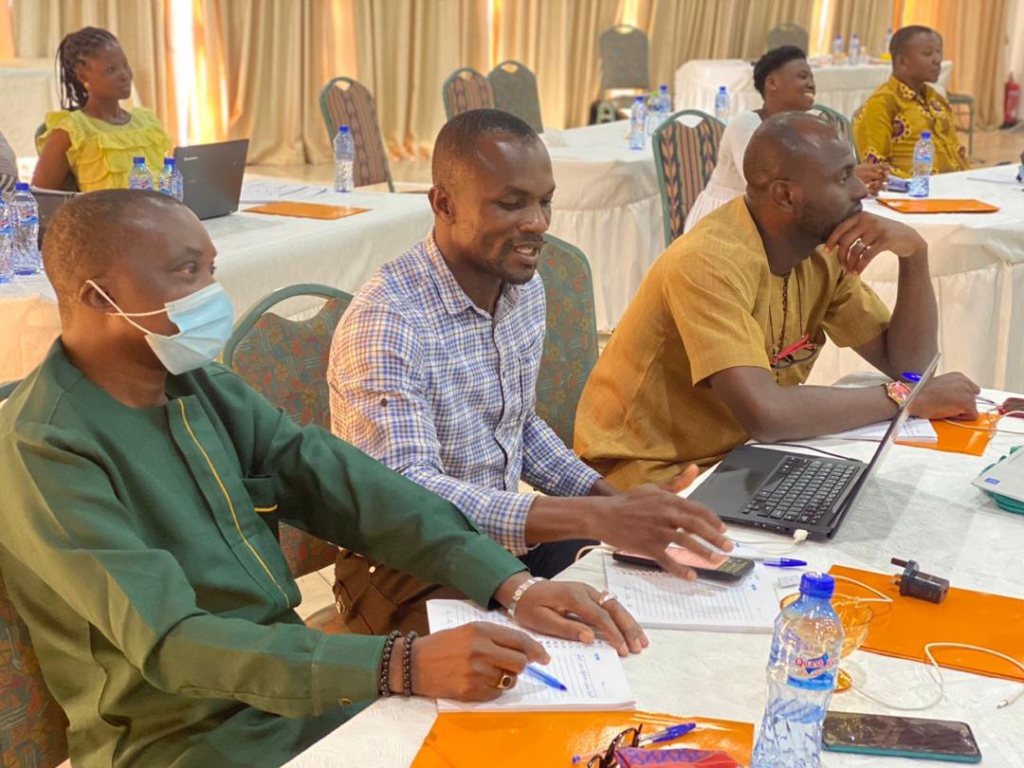
Participants were taken through Google reverse image search, pandex.com, tineeye.com and image-edited websites photos facts-checking to be able to verify and confirm the authenticity of photos shared on social media to inform, misinform or disinform the public.
Kwaku said it was necessary for the media practitioners to use these websites for their greater digital well-being, and to exercise their critical thinking
Latest Stories
-
Glut! Farmers count losses as prices crash, customers happy
16 minutes -
GSA postpones auction of unserviceable vehicles
19 minutes -
Man charged with attempted murder after stabbing
22 minutes -
World Cup visa scandal: Senyo Hosi says issue goes beyond calls for Sports Minister’s resignation
23 minutes -
Yaw Ampofo Ankrah hasn’t taken or received any money to facilitate visas – Lawyer insists
41 minutes -
World Cup visa scandal: Senyo Hosi urges focus on constitutional accountability
42 minutes -
La Beach demolition: Senyo Hosi condemns lack of consultation
53 minutes -
Russian glide bomb attack on Zaporizhzhia kills at least 15 people
1 hour -
Jinapor warns underperforming energy sector CEOs of consequences, says no protection for failure
1 hour -
Fire destroys head of tipper truck on Lower Volta Bridge
1 hour -
Palmer signs new Chelsea contract until 2034
1 hour -
World Cup visa scandal: Mahama will act on corruption allegations – Abass Nurudeen
1 hour -
Abass Nurudeen accuses Minority of ‘scandal scavenging’ over World Cup visa controversy
1 hour -
US Embassy recognised NSA, GFA and GTA as separate entities for visa applications – Sports Minister’s aide
1 hour -
Only 30% of Ghanaian teachers satisfied with their jobs – CAPCOE data reveals
2 hours