

Audio By Carbonatix
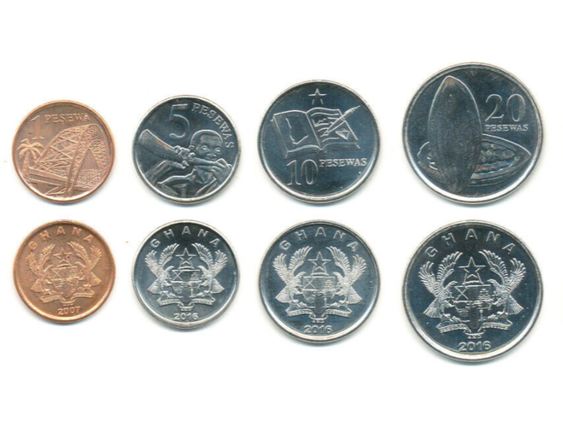
The increasing rejection of lower Ghana pesewa denominations, particularly the 10 pesewas and 20 pesewas coins, by some commercial drivers’ mates, traders, provision shop operators, and pure water sellers is becoming a worrying national concern that requires urgent attention from the Bank of Ghana and other relevant state institutions.
Despite remaining legal tender in the country, these lower denominations are gradually disappearing from everyday commercial transactions, creating unnecessary inconvenience for ordinary consumers.
This development has become more noticeable following recent increases in the wholesale prices of sachet water, popularly known as pure water.
Depending on the brand, wholesale prices reportedly range between GH¢8, 12 and GH¢14 per bag, leading some retailers to increase the selling price of a sachet from 50 pesewas to 60 pesewas.
While some of the sellers have maintained the old price of 50 pesewas — a gesture worthy of commendation — many consumers are now struggling to receive the correct balance after purchases due to the shortage or rejection of smaller coins.
In many instances, buyers who purchase sachet water priced at 60 pesewas with a GH¢1 coin expect a balance of 40 pesewas. However, some sellers often demand 10 pesewa coins from customers before returning change.
Where buyers are unable to provide the smaller denominations, the remaining balance is sometimes withheld, especially in busy traffic situations where vehicles quickly move on.
Many Ghanaians fear that if this situation is left unchecked, it could eventually contribute to another increase in the price of sachet water to GH¢1, similar to circumstances that previously influenced price adjustments in the past.
Beyond the inconvenience caused to consumers, the rejection of legal tender undermines public confidence in the country’s monetary system.
It is therefore important for the Bank of Ghana to intensify the circulation of 10 pesewa and 20 pesewa coins across the country while also embarking on public education to remind citizens and businesses that all Ghana cedi denominations approved by law remain valid for transactions.
The Ministry of Trade, Agribusiness and Industry, together with consumer protection agencies, must also support efforts to ensure compliance among traders and commercial transport operators.
National economic issues like these should be addressed collectively and without excessive politicisation.
The concerns of ordinary citizens regarding price increases and the availability of legal tender deserve serious national attention, regardless of political affiliation.
By Zakari Alidu — Political Activist, BNA-Constituency.
Latest Stories
-
Reality Zone with Vicky Wireko: International Day of the Girl, shaping today’s girl for tomorrow’s future – ZONTA Clubs lead the way
29 minutes -
Global health must be led by countries, not designed for them – Mintah Akandoh
1 hour -
Mahama honoured at 2026 World Health Summit in Berlin for global health leadership
2 hours -
Breast cancer is not a death sentence – Besease Kontire Obaapanin, Magmina Foundation lead awareness campaign
2 hours -
EcoBank invests in digital education of 4 Garisson School to mark 40 years in Africa
2 hours -
AGI urges investment in skills and raw materials to strengthen local manufacturing
2 hours -
GPL 2026/27: ‘We have to rectify our mistakes’ – Boadu reacts to Aduana FC defeat
2 hours -
No disability access, no building permit – KMA declares
2 hours -
Asantehene to lead environmental restoration effort at Jimi Land Reclamation Site
2 hours -
Poor Ghanaians are being jailed because they cannot afford justice – Crime Check Foundation
2 hours -
No conflict in appointing Emelia Agbenyo as Deputy EC Chair – NDC
2 hours -
87-year-old man jailed 20 years for defiling 9-year-old girl at Ofankor
2 hours -
Sankofa Gold targets 70kg output after 9-month shutdown
2 hours -
Tamale, Bolgatanga had just one Legal Aid lawyer between them – Kwesimintsim MP
3 hours -
PAC orders eviction of former irrigation company MD from official residence
3 hours