

Audio By Carbonatix
Access to potable water in Zomayi, a farming community in the North Tongu district of the Volta region, remains a significant challenge.
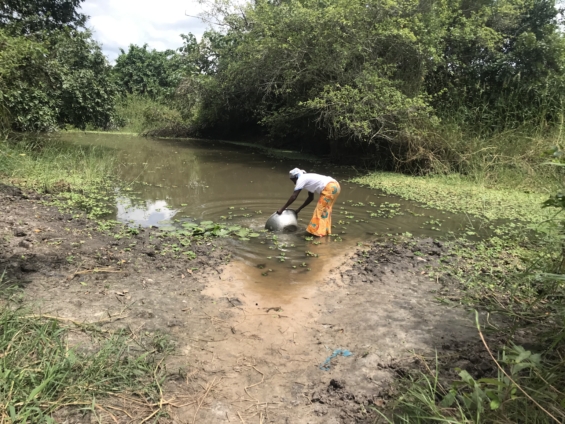
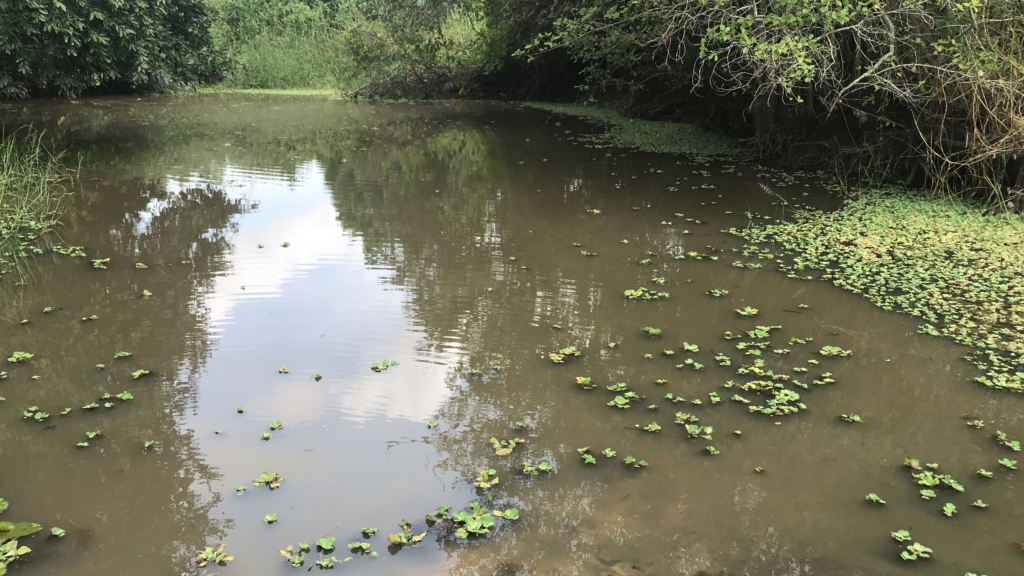
Residents are forced to rely on a man-made dam, created for farming purposes, for their domestic water needs. This dam also serves as a source of drinking water for cattle in the area, which poses a severe health risk to the local population.
During a visit to the community, it was revealed that residents are left with no choice but to visit the dam as early as 4:00 am to fetch water, before the shepherds lead their cattle there to drink.
According to the locals, they dug the dam many years ago through communal labour, and it has been beneficial during the dry season when no other water sources are available.
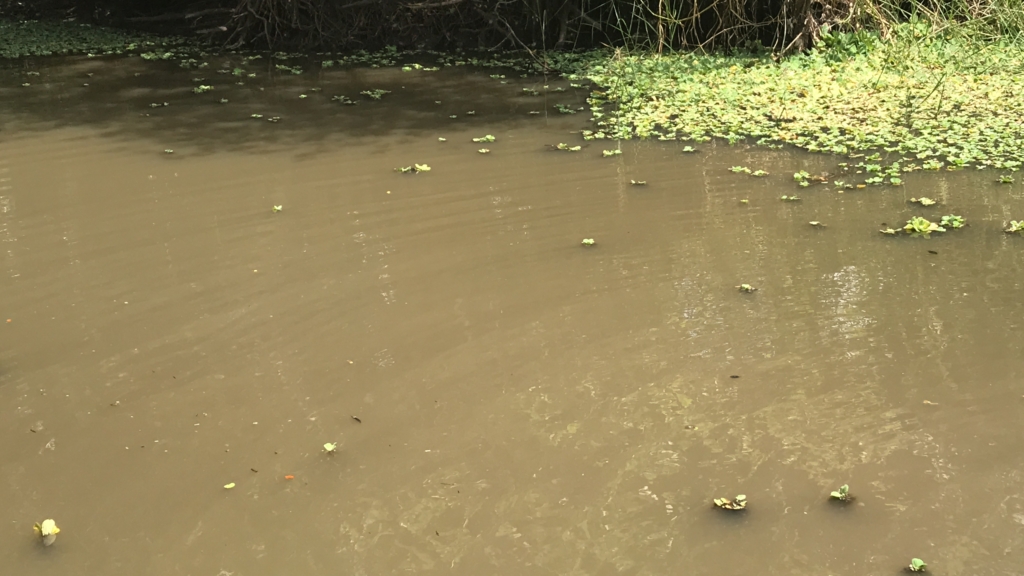
However, the dam water is not only unsafe but also unattractive. It appears brownish, with weeds covering the surface, making it particularly hazardous for children to fetch water from.
The Chief of the community, Togbe Gborglah, shared the residents' ongoing struggles. He explained that they continue to compete with cattle to have access to the water. "We share the dam with the cattle, and whenever we try to stop them from using it, the herders wake up early with their animals to drink, making the water even dirtier before we wake up to collect it," he said.
Togbe Gborglah also mentioned that several attempts to install mechanized boreholes to provide potable water had been unsuccessful. Despite numerous appeals to individuals, organizations, and the government, the community’s pleas have gone unanswered.
He expressed frustration with politicians, saying, “We don’t have water, we don’t have motorable roads, but they find their way here to engage us. After we vote for them, they never return to help us.”
One resident described the health risks posed by the contaminated water. “We are exposed to skin and waterborne diseases, such as diarrhoea and itchy skin, whenever we bathe in it, especially during the rainy season,” she said.
Others voiced concerns about the dam being used for fishing. "One difficult issue is that, in some seasons, people from neighbouring villages come to fish in the dam. This makes the water even worse—turning black and muddy. So, the dam is not a reliable water source for the community," a resident complained.
The water situation is also affecting education in the community. Zomayi has several basic schools, including the Zomayi D/A Kindergarten, Primary School, and Junior High School (JHS), where over 400 children receive their education.
Many of the students are forced to wake up at dawn to fetch water before school. Some students, particularly those who live closer to the dam, fetch water during break time after the cattle have had their drink. One female student explained, "I prefer to fetch the water during school hours because by then, the mud has settled at the bottom of the dam."
A female teacher, who also uses the same dam water for bathing and washing clothes, shared her distress: "It is heartbreaking as a mother, a teacher, and a woman. We use water a lot, but in this community, we don’t have potable water. The only water we have is shared with the animals. The animals drink from the dam while we also fetch it."
She continued, "Because of this, I don’t use the dam water to cook. I buy a sachet of water instead. I have a baby, and I can't use that water to prepare meals for him. Even sachet water is hard to find locally. Sometimes, we have to cross the Volta River to get it, so it’s very disturbing. We are not comfortable here."
For many residents who cannot afford to buy sachet water, the dam remains their only option, even for cooking. "This is the only water we have for drinking and all other needs, including for our children. We share it with the cattle, and the situation is even worse in the dry season. Even when we bathe in it, we get rashes. The hospital is far from here. We are pleading for potable water. We are also Ghanaians, and we need water," a resident stated.
Zomayi is one of many farming communities in the Tongu enclave of the Volta region. The locals are primarily involved in cash crop farming and seasonal fishing. They suggest that the only solution to their water problem is to tap into the Volta Lake to supply the community with water.
Latest Stories
-
Judges’ conference forces further adjournment of Salomey Baffoe case
8 minutes -
GRA assures Tullow of collaboration to settle $393m tax liability without disrupting its petroleum operations
37 minutes -
South Korea demands apology from Pyongyang for landmine blasts that injured three
41 minutes -
Carlos Queiroz not the sort of coach Black Stars need – Nii Lante Vanderpuye
1 hour -
AFCON 2027Q: ‘Our Black Stars team is gone’ – Former Sports Minister
2 hours -
Prof. Prempeh calls for public review of draft constitutional reform bills
2 hours -
AFCON 2027Q: ‘I have never seen a poor performance from Black Stars like against Gambia’ – Nii Lante Vanderpuye
2 hours -
Bawumia backs insurance sector reforms after engagement with IBAG
2 hours -
Nigeria set to launch National Digital Address System 9 years after Ghana showed the way
2 hours -
Policy rate decision takes time to reflect in lower lending rates – BoG
2 hours -
Western Regional Minister applauds Karpowership’s role in Ghana’s power sector
3 hours -
Playback: Road safety crises: Where are we getting it wrong?
3 hours -
Enterprise Life celebrates 25 years of protecting families and building trust
3 hours -
ICC London rules in favor of Ghana against Tullow over $400m tax charge
3 hours -
We are disappointed in ICC’s ruling over our corporate income tax assessment in Ghana – Tullow Oil
3 hours