

Audio By Carbonatix
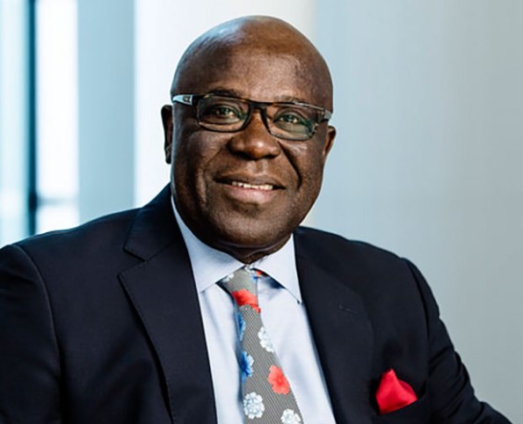
Chancellor of the University of Cape Coast, Sir Samuel Esson Jonah, has sounded a critical alarm on the pervasiveness of corruption within Ghana’s public institutions, describing its effect as deeply corrosive to national values and governance.
Speaking at the Graphic National Development Series, Sir Jonah highlighted how corruption has become so embedded in society that many view it as almost a cultural norm rather than an anomaly.
"Corruption has become so pervasive that many Ghanaians consider it as an intrinsic part of culture, and not to be corrupt as a social anomaly,” he noted, pointing to a shift in societal attitudes that view non-corruption as "unbusinesslike" and even naive.
Sam Jonah argued that the current governance landscape is marred by scandals that seem to worsen with each passing year.
According to him, political and executive figures rarely face disciplinary measures for corruption, graft, or illicit wealth accumulation, and such offenses are often overlooked if they occur within the ruling government’s sphere of influence.
"Rather than emulate the selfless spirit of our heroes, governance is replete with scandals, which get worse by the day; and governments do not only spare the corrupt within their own bracket, we hardly hear of disciplinary action against public officials traceable to executive graft, corruption, self -aggrandizement, or unexplained wealth," he said.
Sir Sam also voiced apprehension regarding the declining integrity within Ghana’s legislative body.
“When even the legislature, which should embody the principles of law, ethics, and virtue, shows signs of malice, the people’s hope and confidence plummet,” he stated, noting the erosion of trust in the institutions designed to uphold transparency and justice.
Addressing Ghana’s broader challenges, he remarked, “We are confronted with issues that go to the heart of our challenges: economic decline, corruption, environmental degradation caused by illegal mining, and the erosion of patriotism. Amidst all of these, we live in an emerging culture that prioritises personal gain over collective well-being.”
Latest Stories
-
Ghana eyes stronger trade ties as Australia hosts multicultural trade and investment forum
2 minutes -
Margaret-Marie Krakue
4 minutes -
Ayariga announces plans for live broadcast of MMDAs’ meetings on local radio stations
8 minutes -
Mrs Anna Tackie
10 minutes -
Ghana links Afghan heroin and Brazilian cocaine to global drug markets – Global Organised Crime Index
17 minutes -
NHIA launches nationwide inter-school quiz to deepen students’ knowledge of NHIS
23 minutes -
Political protection could be masking Ghana’s cocaine trade – Global Organised Crime Index
28 minutes -
AFCON 2027Q: ‘We have to dissolve the GFA’ – Effia MP after Black Stars lose to Gambia
30 minutes -
NPP announces voting schedule and ID requirements for October 3 national elections
32 minutes -
Lupus can mimic HIV symptoms and damage kidneys if untreated – KNUST expert
35 minutes -
Focus on Sickle Cell Foundation seeks to introduce sickle cell education through comics in Ghanaian schools
41 minutes -
NPP rewrites the campaign playbok as opposition reality shapes National Executive contest
43 minutes -
Road safety education will fail without enforcement – NRSA boss
43 minutes -
Daily Insight for CEOs: Finishing Q3 strong and entering Q4 with purpose
44 minutes -
National Ambulance Service begins ‘Operation Restore Fleet’ to restore grounded ambulances
45 minutes