

Audio By Carbonatix
Philanthropist and businessman Alhaji Seidu Agongo has fulfilled a promise that is set to transform healthcare delivery for some of Ghana’s most vulnerable people.
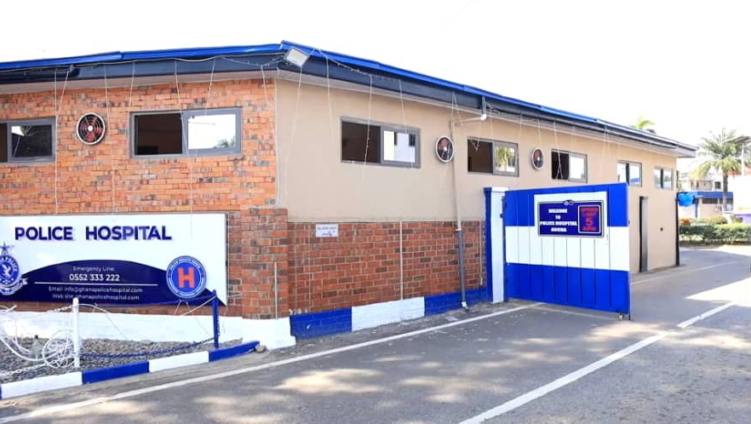
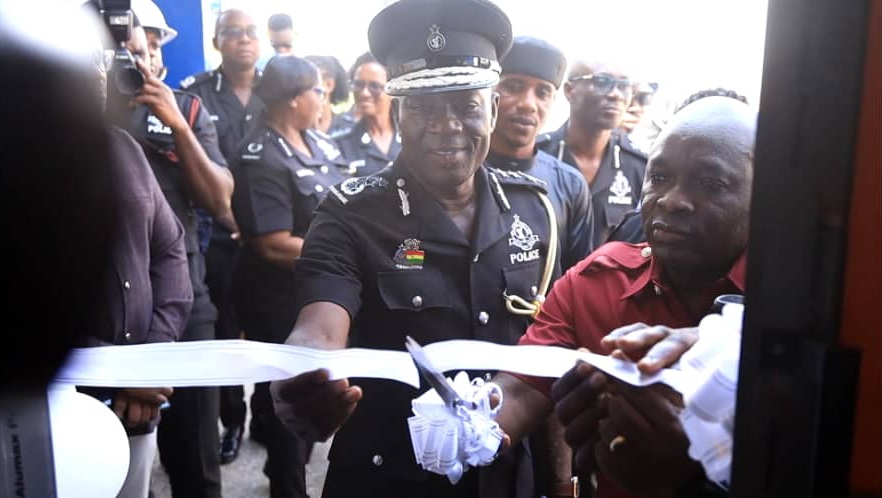
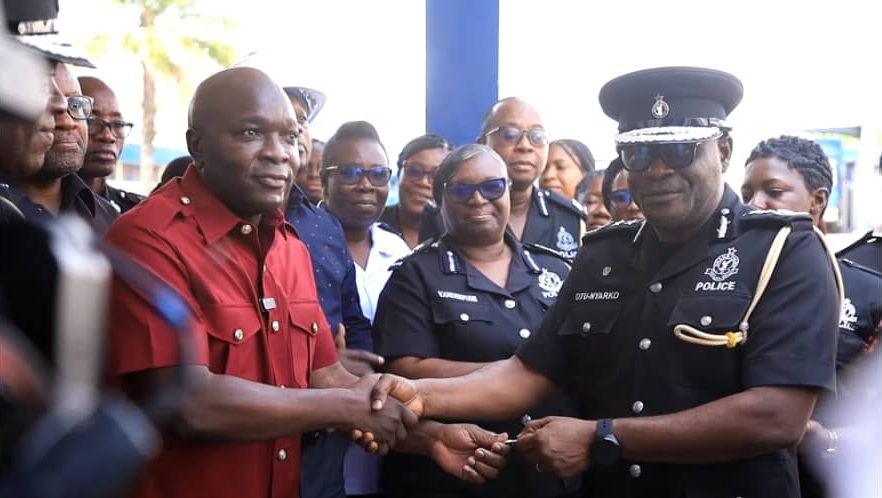
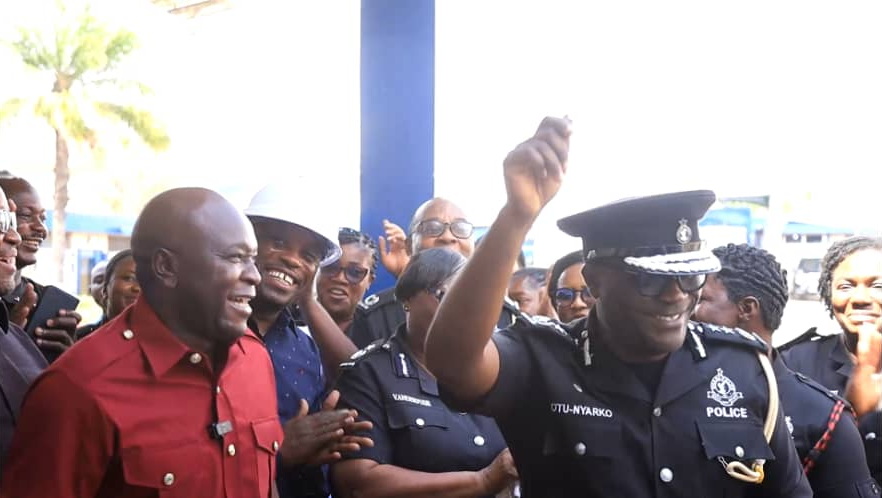
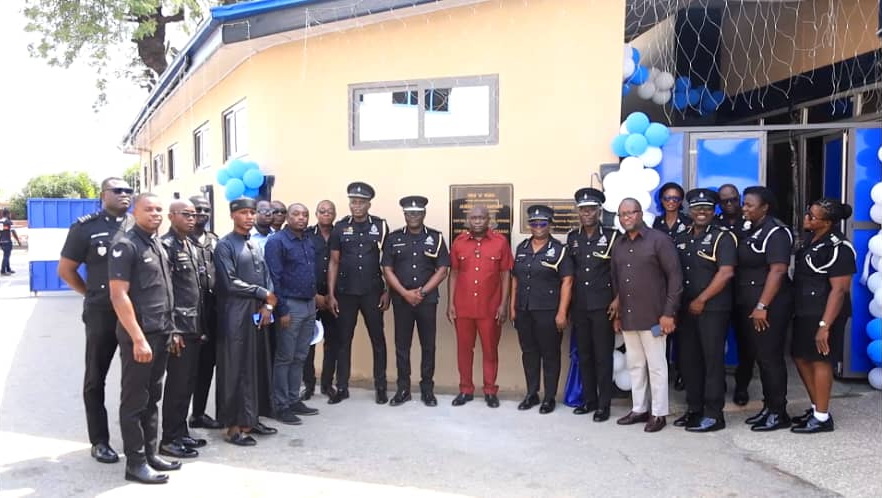
On Tuesday, December 30, 2025, the Ghana Police Hospital inaugurated a new eight-bed facility funded by Alhaji Agongo to house “unknown” patients—individuals brought to the hospital without traceable relatives, often destitute, mentally ill, or victims of road accidents.
The project followed an appeal by the Ghana Police Service for public support to ease the growing burden on the hospital and improve healthcare delivery.
Since its establishment in 1976, the Police Hospital has had a unique mandate to provide healthcare not only to police personnel and their families, but also to suspects, convicts, and members of the general public.
Over time, caring for unknown persons has become a significant part of the hospital’s service delivery.
Hospital authorities say many of these patients arrive in critical condition, nameless and abandoned, leaving the hospital to bear the full cost of their treatment and rehabilitation—an expense estimated at over one million cedis annually.
In addition, many unknown persons are brought in dead. Each year, the hospital organises mass burials for between 1,000 and 1,200 unidentified bodies at a cost exceeding GH¢400,000 annually.
Unknown patients who recover are reintegrated into their communities once identified, also at the hospital’s expense.
With an average of about 30 unknown patients admitted every month and approximately 10 long-term cases at any given time, hospital officials say the burden has steadily increased over the years.
Following the appeal, Alhaji Agongo, founder of the defunct Heritage Bank, intervened by constructing the eight-bed facility and pledging quarterly financial support to assist with the hospital’s mass burial initiative—an intervention the Police Service has described as unprecedented.
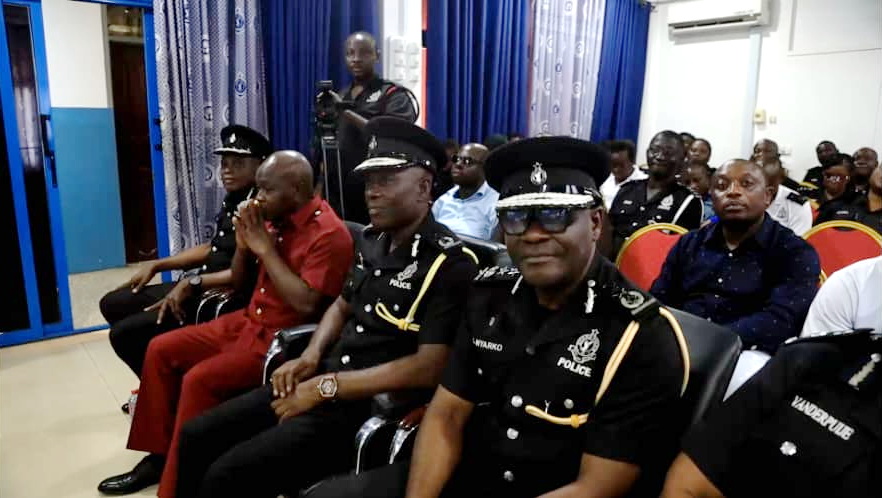
The new facility will allow severely neglected patients to be separated from the general hospital population, improving infection control while restoring dignity to those society has often forgotten. Hospital authorities have described the project as historic.
Alhaji Agongo has also pledged to finance part of the quarterly mass burials and cover medical bills for unknown patients.
“When I learned about the plight of these unknown patients—people who come in broken, nameless, and abandoned—I said to myself that we, as a country, needed to act,” he said. “Humanity is not about what we do for those we know or who can repay us, but for those who cannot. Indeed, nobody is unknown—we are all known by one Creator, and that should unite us to uplift each other and make society better.”
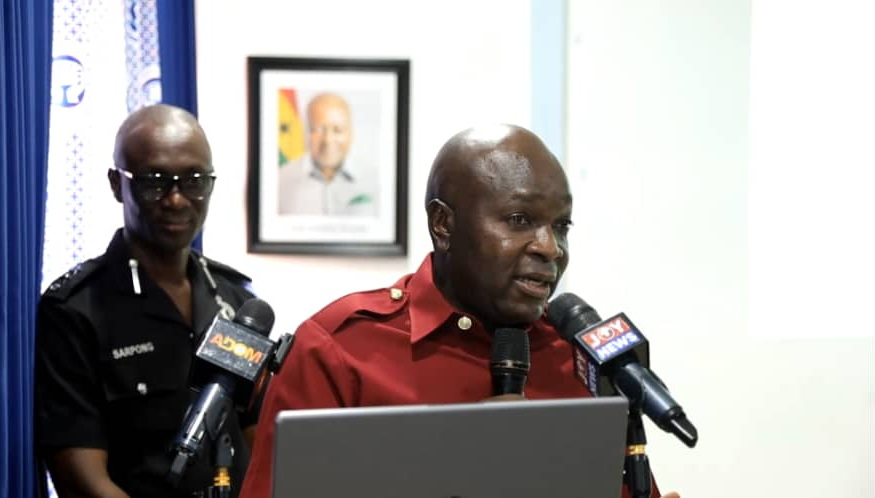
He explained that the facility represents more than bricks and mortar, describing it as a sanctuary for lives that matter, even when no one claims them. He expressed the hope that the project would inspire others to support causes that restore dignity to the forgotten in society.
Hospital officials say the intervention will ease congestion, improve standards of care, and reduce the financial strain on the institution. They also expressed hope that it would encourage other individuals and organisations to extend support to the hospital.
For decades, the Ghana Police Hospital has borne the responsibility of treating unknown patients and burying unidentified bodies without external assistance. Alhaji Agongo’s commitment marks the first time a private citizen has stepped in to share this burden.
As the new facility opens its doors, it symbolises a rare blend of compassion and action—an enduring example of private philanthropy meeting public need. For the Ghana Police Hospital and the nameless individuals it serves, 30 December 2025 marks a new chapter of hope.
Lifting Others
Alhaji Agongo said his philanthropic work has never been about seeking attention or expecting anything in return, but is driven by a belief that society progresses when people support one another selflessly.
“We don’t support because we are related; we support because there is a need to make each other better,” he said, adding that his motivation for philanthropy stems from an innate desire to improve society.
He cited several initiatives reflecting this philosophy, including the establishment of Fanaka University to promote entrepreneurship and practical education, the funding of scholarships and medical support for underprivileged students and patients, and the construction of a ward for the Child Emergency Unit at the Korle Bu Teaching Hospital.
Alhaji Agongo also recalled donating medical supplies during the COVID-19 pandemic and providing relief to flood victims, efforts he said were aimed at meeting urgent needs and restoring dignity.
Latest Stories
-
I assure Otumfuo, Mahama will join him to commission KNUST Teaching Hospital by end of this year – Haruna Iddrisu
20 minutes -
Gov’t to roll out free special education for persons with disabilities from July 1 – Education Minister
41 minutes -
“We used it to test our officiating officials’ readiness” – Bawah Fuseini after CAA Athletics event
1 hour -
Volleyball emerges as Ghana’s fastest rising sport
1 hour -
National Sports Fund needs strong leadership from the top – Administrator David Wuaku
2 hours -
JoySports Exclusive: Steve McLaren in talks with GFA after expressing interest in Black Stars job
2 hours -
Fire guts auto parts warehouse at Bubuashie, one fire officer injured
2 hours -
I owe my victory to coach Ofori Asare – Allotey after winning WBA Africa Gold Super Flyweight belt
2 hours -
Church of Pentecost supports over 2,000 BECE candidates in Obuasi with career guidance seminar
3 hours -
Brandon Asante and Coventry all but promoted to Premier League despite Sheffield Wednesday draw
4 hours -
GPL 2025/26: Late Kwartemaa strike downs Hearts in Tema
4 hours -
Ghana Faces Sierra Leone Moment as Prosecutorial Powers come under strain
4 hours -
Don’t consume fish or seafood from Tema Shipyard until further notice – FDA warns
4 hours -
Why volunteering might be Africa’s most underrated career accelerator
4 hours -
ActionAid Ghana raises concern over gender gaps in Feed Ghana Programme
4 hours