

Audio By Carbonatix
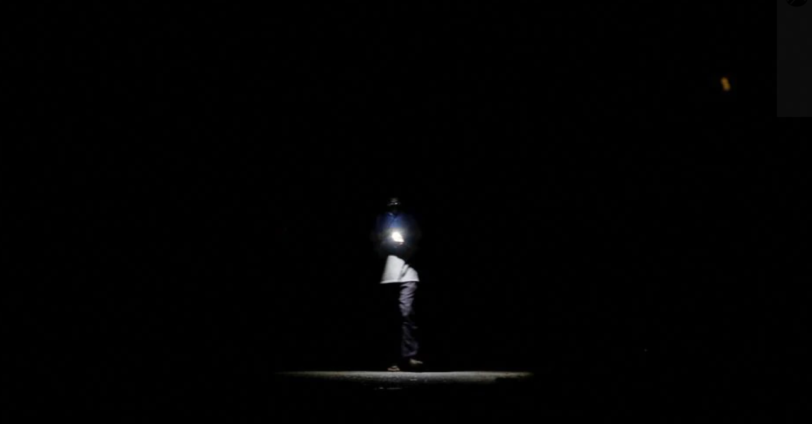
Sri Lanka is turning off its street lights to save electricity, a minister said on Thursday, as its worst economic crisis in decades brought more power cuts and gloom to its main stock market, triggering a halt in trade as prices slid.
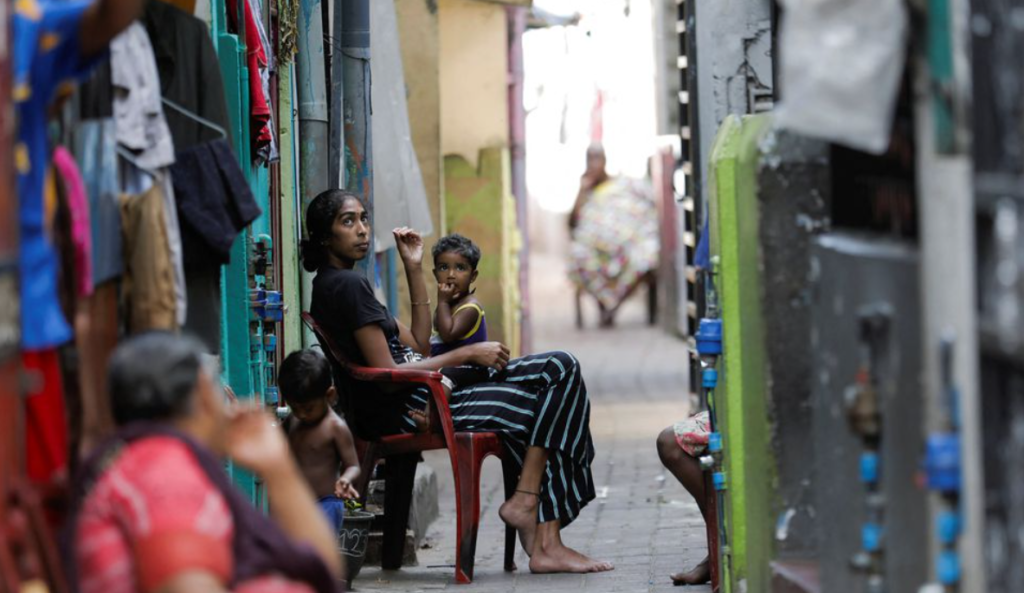
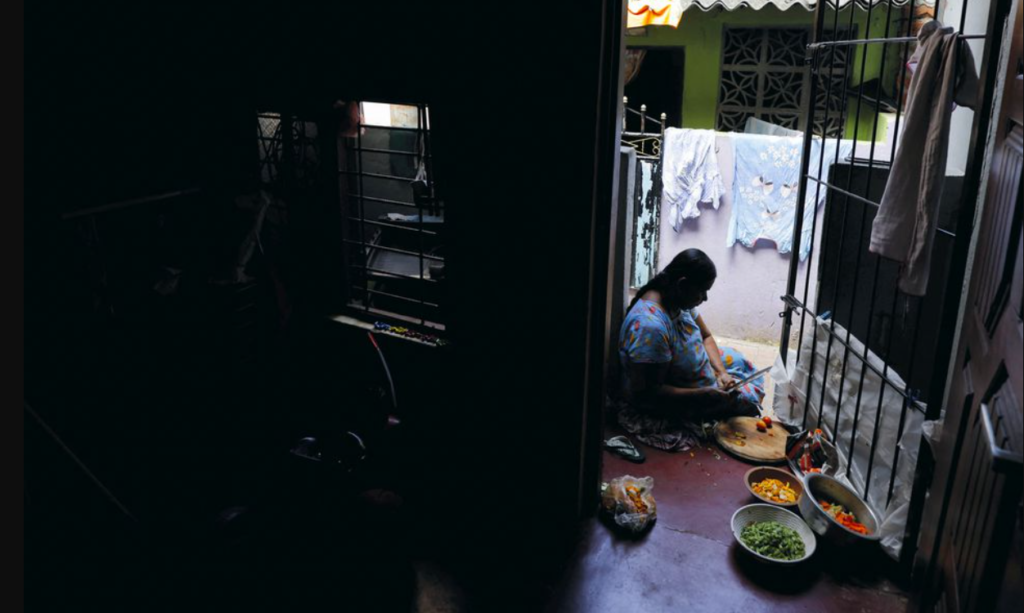
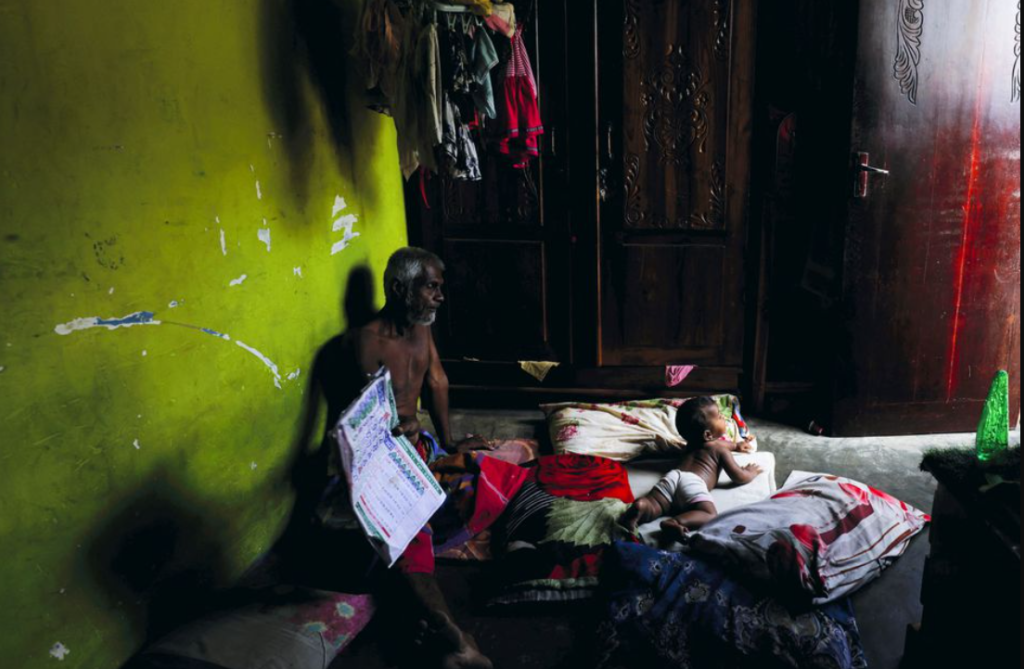
The island nation of 22 million people is struggling with rolling power cuts for up to 13 hours a day as the government is unable to make payments for fuel imports because of a lack of foreign exchange.
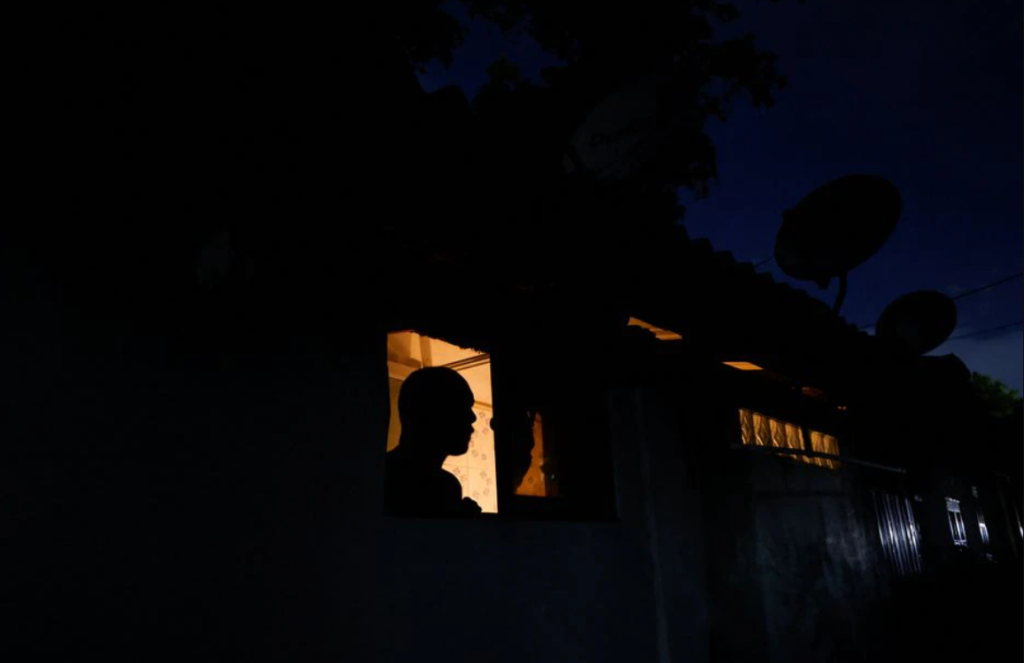
"We have already instructed officials to shut off street lights around the country to help conserve power," Power Minister Pavithra Wanniarachchi told reporters.
A diesel shipment under a $500 million credit line from neighbouring India is expected to arrive on Saturday, Wanniarachchi said, but she warned that the situation was not likely to improve any time soon.
"Once that arrives we will be able to reduce load-shedding hours but until we receive rains, probably some time in May, power cuts will have to continue," Wanniarachchi told reporters, referring to the rolling power cuts.
"There's nothing else we can do."
Water levels at reservoirs feeding hydro-electric projects had fallen to record lows, while demand had also hit record levels during the hot, dry season, she said.
'Driving the Drop'
The Colombo Stock Exchange (CSE) cut daily trading to two hours from the usual four-and-a-half because of the power cuts for the rest of this week at the request of brokers, the bourse said in a statement.
But shares slid after the market opened on Thursday and the CSE halted trading for 30 minutes - the third suspension in two days - after an index tracking leading companies dropped by more than 5%.
"Concerns on the macro side, together with news of shorter trading hours plus increased power cuts is driving negative sentiment," said Roshini Gamage, an analyst at brokerage firm Lanka Securities.
"Overall weak sentiment is driving the drop," Gamage said.
The CSE halted trading twice on Wednesday as worries deepened over the economy and the power cuts.
The crisis is a result of badly timed tax cuts and the impact of the coronavirus pandemic coupled with historically weak government finances, leading to foreign exchange reserves dropping by 70% in the last two years.
Sri Lanka was left with reserves of $2.31 billion as of February, forcing the government to seek help from the International Monetary Fund and other countries, including India and China.
Latest Stories
-
2026 Amputee World Cup: We want to make the continent proud – Black Challenge coach
2 minutes -
International Day of the Girl: Central Region Education Directorate calls for action to tackle child marriage, teenage pregnancy
8 minutes -
The Eyes of Ghana: iShowSpeed joins Obamas as producers of Chris Hesse documentary
19 minutes -
FirstBank Ghana pledges action on customer feedback at service week forum
50 minutes -
Sahara Group urges journalists to look beyond fuel prices in energy reporting
58 minutes -
Today’s front pages: Friday, October 16, 2026
1 hour -
Ashanti Region: ECG urges customer cooperation with franchise officers
1 hour -
Ghana’s research fund faces a test of turning funding promises into scientific breakthroughs
1 hour -
Dîner en Blanc Accra returns on December 28 for second edition
1 hour -
20% digital tax: Government hiding behind technicalities to cheat Ghanaians – Dr Boako
2 hours -
David Selassie Anthony declares bid for NDC Deputy National Organiser
3 hours -
Amin Adam proposes 13 measures to strengthen Ghana’s debt transparency and market confidence
3 hours -
Mahama announces $2bn annual investment to accelerate industrialisation
3 hours -
Amin Adam urges monthly disclosure of Sinking Fund as Ghana prepares for DDEP repayments
3 hours -
Stronger banks will fuel business growth and jobs – ADB MD
4 hours