

Audio By Carbonatix
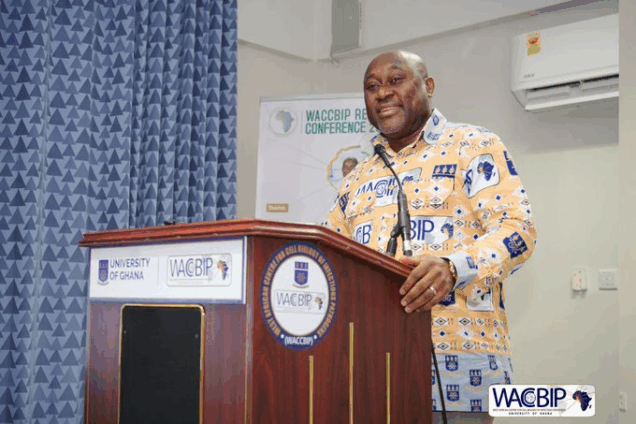
Professor Gordon Awandare, Founding Director of the West African Centre for Cell Biology of Infectious Pathogens (WACCBIP) and Pro Vice-Chancellor for Academic and Student Affairs at the University of Ghana, has admonished the government to end the wasteful funding of foreign scholarships.
Instead, he has charged authorities to reinvest the funds in Ghana’s local universities.
Speaking at the opening ceremony of the 2025 WACCBIP Research Conference, held under the theme “Evolving African Science from Capacity Building to Discovery and Impact”, Prof. Awandare minced no words as he challenged African governments, especially Ghana’s, to rethink their science investment priorities in the face of a shifting global funding climate.
“We are gathering here at a time of global uncertainty in the promotion and funding of science,” Prof. Awandare said.
“Changes in government in the U.S. have disrupted global research funding. Grants are being withdrawn, proposals discarded, and researchers left stranded. This is a wake-up call.”
While WACCBIP has not been severely impacted due to minimal U.S. funding at this time, Prof. Awandare warned that the ripple effects of these changes could hurt African institutions indirectly. He believes this crisis is also an opportunity.
“It’s time for African governments to step up. For years, they’ve promised to commit at least 1% of GDP to research. Yet, fewer than ten countries have met that target. This is the moment to reprioritize government spending and build resilient, self-sustaining research ecosystems on the continent,” he noted.
In a bold critique of Ghana’s international scholarship policy, Prof. Awandare questioned the logic of sending students abroad often to institutions no better than those in Ghana at an immense cost to taxpayers.
“There’s no justification for Ghana to be spending hundreds of thousands of dollars on students going to study at universities that aren’t superior to Legon, KNUST, or UCC. In many cases, the selection process is riddled with favouritism and political interference. It’s time we redirected those funds to our own universities.”
Prof. Awandare advocated a decentralised, university-led scholarship scheme where local institutions are given funds and autonomy to identify and support deserving students.
He emphasised that this would ensure transparency, equity, and value for money.
“If each university receives its fair share of scholarships and uses its own systems to select the best and most needy students, we will not only reduce corruption but also retain talent and strengthen our institutions,” he added.
Turning his attention to the World Bank-funded Africa Centres of Excellence (ACE) project, which birthed WACCBIP, Prof. Awandare expressed deep concern about the delayed disbursement of committed funds by the Ghanaian government.
“The ACE project has ended, but the government has not released the remaining funds that were promised. These are funds the centres have already planned for and spent against. Not releasing them would be a travesty.”
He reminded government stakeholders that the ACE initiative was launched to build local capacity in critical sectors like microbiology, engineering, water sanitation, and crop improvement.
“After investing millions through World Bank support, it’s unacceptable for governments to now neglect these centres. The mission was clear: develop world-class African institutions that offer regional training and research solutions.”
Prof. Awandare concluded with a passionate appeal to the Ghanaian government to continue supporting these research centres and divert foreign scholarship funds into strengthening them.
“We don’t need to send students abroad to study virology or microbiology. We have the expertise and infrastructure right here. Supporting our own universities is not just cost-effective; it’s the only sustainable path to scientific independence.”
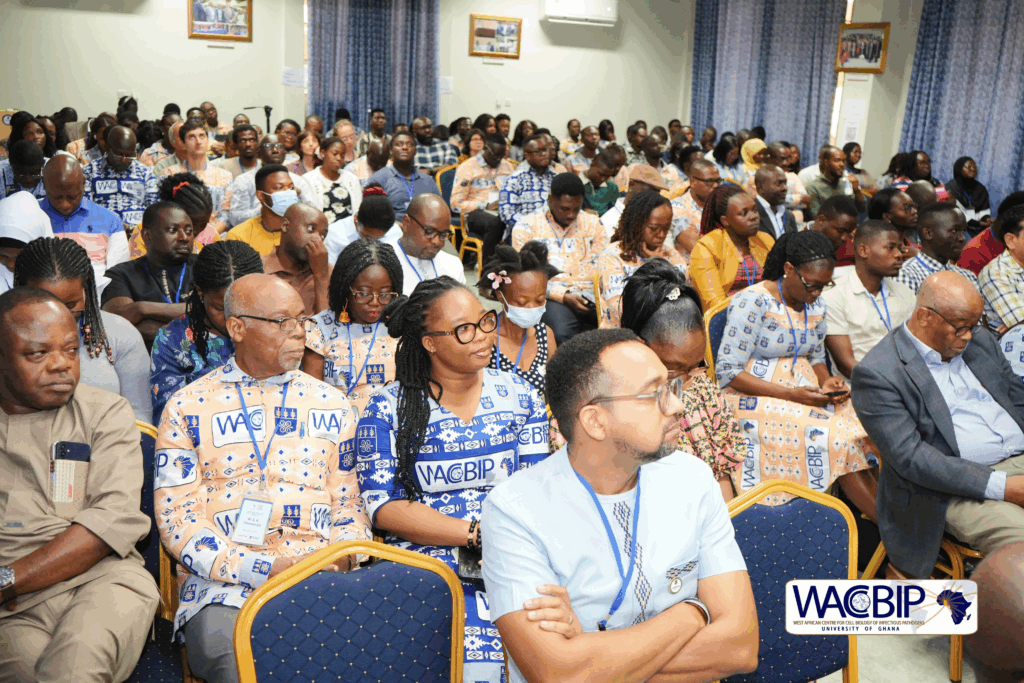
The WACCBIP 2025 Research Conference brought together leading scientists, policymakers, students, and international partners to discuss the future of African-led scientific innovation.
Latest Stories
-
National Sports Fund needs strong leadership from the top – Administrator David Wuaku
2 minutes -
JoySports Exclusive: Steve McLaren in talks with GFA after expressing interest in Black Stars job
8 minutes -
Fire guts auto parts warehouse at Bubuashie, one fire officer injured
14 minutes -
I owe my victory to coach Ofori Asare – Allotey after winning WBA Africa Gold Super Flyweight belt
18 minutes -
Church of Pentecost supports over 2,000 BECE candidates in Obuasi with career guidance seminar
2 hours -
Brandon Asante and Coventry all but promoted to Premier League despite Sheffield Wednesday draw
2 hours -
GPL 2025/26: Late Kwartemaa strike downs Hearts in Tema
2 hours -
Ghana Faces Sierra Leone Moment as Prosecutorial Powers come under strain
3 hours -
Don’t consume fish or seafood from Tema Shipyard until further notice – FDA warns
3 hours -
Why volunteering might be Africa’s most underrated career accelerator
3 hours -
ActionAid Ghana raises concern over gender gaps in Feed Ghana Programme
3 hours -
Windstorm wreaks havoc in Gushegu, displacing nearly 2,000 residents and damaging schools
3 hours -
Friends of Bridget Bonnie Marks her 35th birthday with donation to Kasseh Model Health Centre
4 hours -
From Ekumfi Kokodo to the Pulpit Stage: Essi Donkor’s gospel journey takes shape
4 hours -
Landfilling waste management creates no value, it’s an economic waste
4 hours