

Audio By Carbonatix
Technology has become the new language of global cooperation, with nations increasingly forging partnerships through innovation, artificial intelligence, cybersecurity, digital trade, fintech, research and technology exchange rather than relying solely on traditional diplomacy.
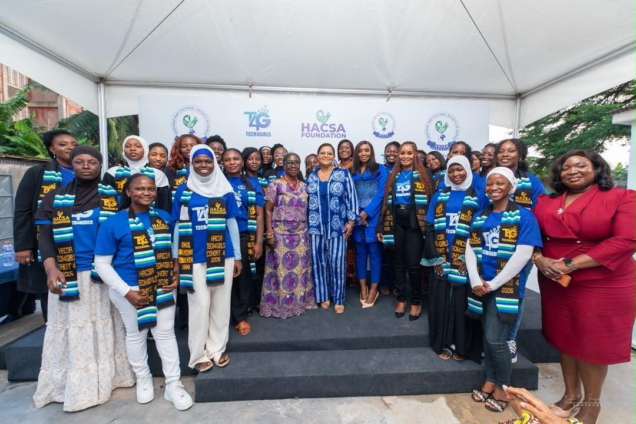
That was the central message from the CEO of Diplomatic Affairs Media and Communication, Harriet Nartey, who delivered the keynote address at the graduation ceremony of the fourth cohort of the HACSA Foundation's Tech4Girls Programme.
Addressing graduates, partners and development stakeholders, the CEO said the digital revolution has fundamentally transformed international relations, creating unprecedented opportunities for young women to participate in the global economy.
"We are living in an era where technology has become a powerful instrument of diplomacy. Nations are no longer connected only through embassies and treaties. Today, countries collaborate through innovation, artificial intelligence, cybersecurity, digital trade, fintech, research, and technology exchange," she said.
"Technology has become the new language of global cooperation."
She said the changing global landscape means that digital skills were no longer optional but essential, particularly for young women seeking to compete internationally.
"A girl sitting in Accra today can develop software for a company in Vienna, build digital solutions for clients in Nairobi, collaborate with innovators in Singapore, or launch a startup that serves customers across Africa and the world," she said.
Describing coding as more than a technical skill, she told the graduates, "Coding is no longer simply a technical skill, it is a passport to global opportunities."
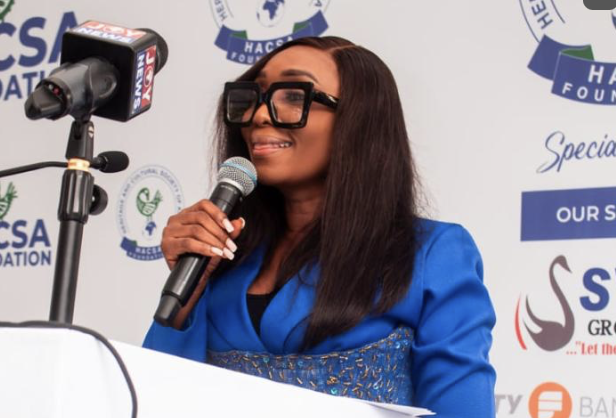
According to the CEO, initiatives such as the HACSA Foundation's Tech4Girls Programme are not only equipping young women with coding skills but preparing them to become innovators, entrepreneurs and leaders capable of influencing global conversations on digital inclusion and sustainable development.
"By investing in initiatives like Tech4Girls, we are not merely teaching young women how to write code. We are preparing the next generation of African innovators, digital entrepreneurs, technology diplomats, and global problem-solvers who will help shape conversations around innovation, digital inclusion, and sustainable development," she said.
The ceremony celebrated the graduation of Cohort Four of the Tech4Girls Programme, with participants recognised for successfully completing intensive training in technology, leadership and professional development.
Harriet Nartey commended the HACSA Foundation's Board, management, trainers, mentors, volunteers and partners for investing in the potential of young women and providing world-class training and mentorship free of charge.
She urged the graduates to remain committed to giving back by mentoring others, sharing opportunities and supporting future cohorts whenever possible.
Looking ahead, she announced that the HACSA Foundation will commemorate its tenth anniversary with the HACSA @10 Summit from December 10 to 15, featuring an international conference and a grand anniversary gala.
She appealed to corporate organisations, development partners and diplomatic missions to sponsor the summit and support the Foundation's continued investment in women, technology, leadership and community development.
The CEO also encouraged individuals and organisations to contribute to the Tech4Girls Programme by sponsoring scholarships, laptops, transportation and learning materials, while appealing for support towards the ongoing renovation of the HACSA campus.
She further called on accomplished women to volunteer as mentors, stressing that technical skills alone are not enough to build successful careers.
"Technology can open doors, but mentorship gives young people the confidence to walk through them. We need your experience. We need your guidance. We need your stories," she said.
Concluding her address, she urged stakeholders to move beyond inspiration to action by investing in young women and expanding opportunities through technology.
"The future will not be built only by those who invent technology. It will be built by those who ensure that technology creates opportunity for everyone," she said.
Latest Stories
-
GAEC must retain nuclear scientists for Ghana’s nuclear ambitions – Minister
12 minutes -
Man reportedly mistaken for game and shot by hunter dead in forest
14 minutes -
19-year-old mason jailed 15 years for defiling seven-year-old pupil
19 minutes -
Ghana’s banking sector assets rise 20.47% to GH¢500.2bn – BoG Governor
23 minutes -
22 injured as Sprinter bus overturns at Sege after tyre burst
24 minutes -
UN housing expert urges Ghana to strengthen Rent Control Department amid housing affordability concerns
33 minutes -
Delta-BCI partnership reaches 166,000 people with breast cancer education
42 minutes -
Power restoration fault suspected in Kumasi Central Market fire
6 hours -
The 7-foot giant of Ngleshie Amanfro: Seven-foot Ghanaian Ephraim Saawa dreams of joining the national basketball team
7 hours -
Government promises support for Kumasi Central Market fire victims
7 hours -
Vibes The Movie: Big Ghun’s Ghanaian film earns five nominations at 2026 REFFA
7 hours -
‘I’m a fulfilled man’—Justice Korbieh on missing out on Supreme Court despite two nominations
7 hours -
MamaCare CEO warns unresolved conflicts among health workers could undermine maternal and neonatal care
8 hours -
Health professionals urged to translate medical knowledge into practice to save mothers
8 hours -
Retired judge Justice Francis Korbieh charges 1,568 new lawyers to uphold integrity
9 hours