

Audio By Carbonatix
The Head of Research and Communications Unit of the Ghana Chamber of Telecommunications has said the Chamber is working with stakeholders to make mobile fraud an expensive venture.
Derek Laryea said the Chamber was considering the blocking of phones used in such transactions and blacklisting the identity of such users across all telecommunication networks.
According to him, persons who indulge in fraud using mobile phones did not find it costly when their chips were blocked because the chip costs only ¢1.
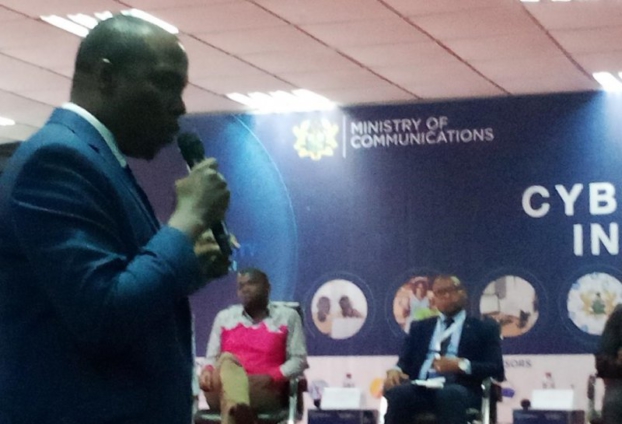
Mr Laryea said this at a forum held in Accra to discuss Mobile Money Fraud and the way Forward," at a Cybersecurity workshop.
He said the systems handling Mobile Money transaction were secured, but most people fell victim to fraudsters due to vulnerabilities on their side and said efforts were underway to make the venture costly and unprofitable.
Senior Manager, Risk Compliance and Anti-Money Laundering, MTN Ghana, Mr Godwin Kwami Tamakloe said MTN had invested about 2.5 million dollars into Artificial Intelligence and machine learning to upgrade its existing technology to track down the identity of such fraudsters.
He said in collaboration with the Ghana Police Service, over 50 persons had been arrested for their involvement in Mobile Money related crimes and names of such persons would be published to deter persons indulging in such activities.
Mr Tamakloe said the collaboration would build the trust of the populace in Service providers.
Assistant Commissioner of Police (ACP), Dr Herbert G. Yankson said there was the need for stakeholders to intensify education, targeting all sectors of the economy, saying, records had shown that the number of cases recorded at his office had reduced from 93,000 in 2018 to 49,000 as at June 2020.
He called for collaboration between the telecommunications service providers and the Police Service to facilitate data sharing to enable quick arrest of offenders.
Acting Head of Technical Operations, e-Crime Bureau, Mr Eric Kwaku Mensah said mobile phone users should avoid filling push prompt notifications, which demanded their pin codes because that was the new technique being used by fraudsters.
He advised them to report issues to the National Cyber Security Center (NCSC) through its short code 292 or to the mobile networks immediately.
Head of Fintech and Innovations, Bank of Ghana, Mr Kwame Agyapong Oppong said there was the need for an upgrade in the identification structure of citizens to enable easy sharing of information across institutions to fight such crimes.
He advised the public to "Report incident of attempt fraud or fraud early without delay."
Latest Stories
-
Conflicts among care providers linked to maternal, neonatal deaths – Expert
34 minutes -
GIS marks 10th TIME conference, champions improved teaching practices
41 minutes -
BRICS Or Balance? What Ghana’s bid really means
1 hour -
GPRTU wants full TRAFFITECH-GH implementation to start in 2027
1 hour -
Mahama announces plans to import electric wheelchairs for PWDs
1 hour -
KGL U17 Colts 2026: Western beat Prempeh Elite Academy to set up final final with Greater Accra Region
2 hours -
Late Solanke strike salvages 10-man Spurs draw at Man United
2 hours -
Gender Ministry to monitor welfare of Nana Akua Addo’s children amid domestic violence case
2 hours -
Benedict Okyere Yeboah: Ghana’s football problem goes beyond sacking a coach
2 hours -
GPL 2026/27: Darkwah Wiafe’s winner sees All Blacks beat Kotoko
2 hours -
ITF World Tour : Patel Wins Boys’ Singles Final at J100 Accra
3 hours -
Ghana must pursue BRICS partnership if it brings economic benefits – Kpebu
3 hours -
Success and Wright Claims J100 Accra Girls’ Doubles Championship
3 hours -
ITF J100: America’s Wright wins J100 Accra Girls’ Singles Title
3 hours -
Expedition hopes to find aviator Amelia Earhart’s plane on remote island
3 hours