

Audio By Carbonatix
Ghana has experienced a significant increase in private wealth in recent years. This phenomenon has led to a remarkable rise in the number of high-net-worth individuals (HNWIs).
According to the OECD, the term high-net-worth individuals refer to persons who hold more than $1 million in liquid and investible financial assets.
In Ghana, the Ghana Revenue Authority (GRA) uses a similar definition, considering an individual wealthy if they have $1 million (or its Ghana Cedi equivalent) in income or assets, or display signs of wealth, such as luxury lifestyles, expensive homes, or high-end cars.
As more people become extremely rich, it’s essential to ensure they pay their fair share of taxes. This will help support the country’s growth and development. It is important to ensure that the tax system is fair and that affluent individuals contribute equally to the country’s progress.
Growth of private wealth in Ghana
Ghana’s economic expansion has fuelled wealth creation. Key drivers include globalisation, technological advancements, and attractive investments. Entrepreneurship, strategic investments, and industry growth have contributed to the surge in wealthy individuals.
According to the 2023 Africa Wealth Report, Ghana’s total private wealth has reached a remarkable US$56 billion, with about 2,700 individuals holding assets worth over $1 million. This growth is impressive, especially considering that Ghana’s private wealth has increased at a rate 30% higher than the continental average over the past decade.
As more people become wealthy, it’s crucial that they contribute to the tax base, ensuring a balanced and fair society. The GRA has made significant progress in this area. In a recent Tax Conference, the GRA highlighted that they have identified about 1,000 HNWIs and collected some GH¢632 million in taxes from this group between the years 2017 and 2023.
The role of taxation
Taxation helps fund government services, infrastructure and social programs. It’s essential that wealthy individuals contribute their fair share of tax for sustainable economic growth and reduced inequality. To achieve this, governments use income, wealth and property taxes.
Ghana’s personal income tax system follows a progressive approach, where individuals with higher incomes are subject to higher tax rates. . This ensures that those who can afford to contribute more do so. In recent times, Ghana has increased the top marginal rate of tax for individuals from 25% to 35%. This move ensures that high-income earners are taxed at a higher tax rate and enables the government to generate more revenue.
Wealth and property taxes are additional tools employed by governments to ensure the affluent contribute to state revenues. These taxes can be levied on assets such as real estate, luxury goods and investments, providing a means to generate revenue and address wealth inequality. In recent times, the Government of Ghana has made attempts to modernise the collection of property taxes to increase revenue growth. These efforts, albeit with limited success, demonstrate that policymakers are not relenting in their efforts to annex some of the country’s growing private wealth for the benefit of the state.
Difficulties in taxing the wealthy
The taxation of wealthy individuals poses several challenges for governments and policymakers all over the world. One key challenge that has been observed is the ability of wealthy persons to employ sophisticated tax planning strategies to minimise their tax liabilities. This has prompted concerns about the tax system’s fairness and impartiality, as wealthy persons in some cases end up paying taxes at a lower effective tax rate than the average taxpayer. Moreover, the taxation of private wealth is a complex matter due to the fungible nature of assets held by wealthy persons, including investments, real estate, businesses, and other forms of wealth. The valuation and taxation of these assets accurately can be daunting hence, requiring robust tax assessment and enforcement mechanisms.
The need for international cooperation
International cooperation is crucial in effectively taxing high-net-worth individuals as they can move easily across jurisdictions. Local tax authorities can collaborate with other jurisdictions to exchange information, combat tax evasion and ensure that affluent persons with offshore income and investments pay their fair share of taxes. Recently, the Government of Ghana announced that it is liaising with other countries through international tax cooperation at the United Nations and the Global Forum for Exchange of Information as part of efforts to uncover offshore income and assets held by resident persons. This collaboration is intended to help create a more transparent and fair tax environment, ensuring that affluent people in Ghana with offshore income and assets also contribute their fair share of tax to the nation’s development.
Debate on wealth taxation
The accumulation of vast private wealth among a privileged few has ignited discussions around income inequality and social mobility. Critics have contended that severe wealth disparities can erode social unity and entrench economic inequalities, prompting calls for progressive taxation that ensures HNWIs contribute adequately to the social fabric through increased taxation on wealth and capital gains.
In contrast, advocates for lower tax rates on the wealthy argue that private capital accumulation drives wealth creation, fuels entrepreneurship, stimulates investment, and creates employment, ultimately boosting the overall economy. They project that overly burdensome taxation can stifle innovation and hinder capital formation, potentially slowing economic growth.
Conclusion
Governments face a delicate challenge in striking a balance between taxing high-net-worth individuals and stimulating economic growth. Achieving this balance demands sweeping tax reforms that close loopholes, enhance transparency and ensure fairness. Moreover, global cooperation is vital to prevent tax evasion and protect developing countries from losing out on private wealth growth due to capital flight.
Persons who by virtue of their income or investible financial assets would qualify as high-net- worth individuals must take immediate action to organise their financial affairs. Enhanced tax laws, assertive tax authorities and international efforts to combat tax evasion mean that wealthy individuals can no longer escape the scrutiny of tax authorities. High-net-worth individuals should seek advice from professional wealth managers and tax advisors who can assist them maximise their wealth and comply with their tax obligations. Having a professional to assist them will also ensure that they pay the right amount of taxes: that is, no more or no less than the law requires
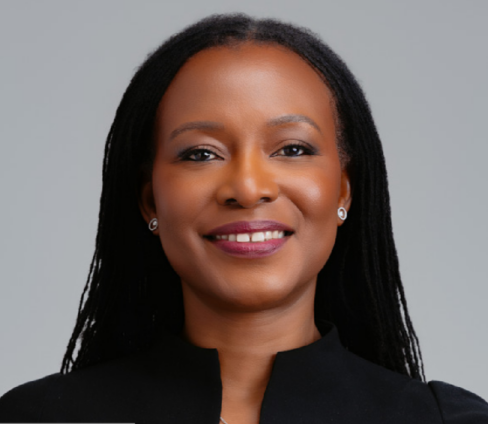
Author: Lydia Pwadura – Tax Partner, PwC Ghana
Email: Lydia.pwadura@pwc.com
Latest Stories
-
Pump prices may stay unchanged as government holds TOR, Sentuo prices
8 minutes -
Akra Reads! 2026: Ladé Wosornu poetry contest expands to JHS
12 minutes -
K9 dog sniffs out 72lbs of prohibited Ghanaian food items at JFK
20 minutes -
If family planning is our choice, why isn’t it in our budget?
26 minutes -
Mahama, Lordina to attend World Assemblies of God Congress opening in Accra
30 minutes -
‘The power play is disgusting’ – Atta Akyea questions Baffour Awuah’s detention by EOCO
38 minutes -
Ghana to review all public-sector AI acquisitions under new directive
44 minutes -
NPP ready for national elections; 7,121 delegates to vote
50 minutes -
‘I didn’t expect this under Mahama’ – Annoh-Dompreh on Baffour Awuah’s detention at EOCO
50 minutes -
GRA welcomes Tribunal decision upholding US$393 million tax assessment
54 minutes -
COMAC says Uniform Fuel Pricing Fund should not be confused with fuel subsidy
1 hour -
Mercy Ships targets over 2,000 surgeries, 3,500 dental treatments during Ghana mission
1 hour -
NITA appoints ShaQ Express founder Anthony Owusu-Ansah as Acting Deputy DG
1 hour -
Government moves to compel public institutions to buy food from Ghanaian farmers
1 hour -
‘Baffour Awuah won’t die in EOCO’s detention, even if he dies there, that’s okay for us’ – John Boadu
1 hour