

Audio By Carbonatix
Many people have different views and understandings when there is erratic rainfall, rising temperatures, floods, prolonged droughts, and storms.
Some view it as a divine making that needs divine intervention, whereas others see it as a result of climate change effects.
Religious and cultural beliefs about climate change effects have rendered climate change education and awareness highly difficult to achieve, making it difficult for people to adapt to climate change measures for a better tomorrow and to help fight climate change effects in Ghana with the relevant stakeholders.
Once-glorious farming regions are now grappling with shorter growing seasons, erratic rainfall, pest outbreaks, and reduced soil fertility, with impacts threatening food security, rural livelihoods, and intergenerational farming knowledge (Asare-Nuamah, 2021; Mohammed et al., 2021).

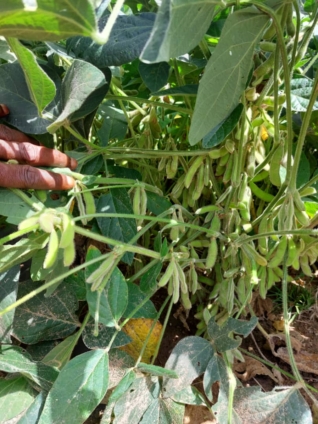
Northern Ghana is undoubtedly a crop-farming part of Ghana, where some research shows that about 70% of the people living there are crop farmers. These farmers cultivate crops such as maize, groundnut, yam, millet, and many others, and they largely depend on rainfall for the growth of their crops. The northern part of Ghana has two main seasons, namely: the dry season and the rainy season.
This story digs deeper to gain an understanding of how religious leaders among the three main religions in Ghana—namely, Christianity, Islam, and Traditional religions—and individuals in northern Ghana perceive issues of climate change effects such as erratic rainfall, high rising temperatures, storms, and floods, which are common in the northern part of the country.
We engaged some religious leaders—that is, Christianity, Islam, and Traditional religions—in the Gushegu Municipality of Northern Ghana to seek their understanding and views of the climate change effects, particularly in the area.
Tindaan Zee Yakubu, according to the traditional religion leader—the chief priest of Kpatinga, a suburb of the Gushegu Municipality—said the people always run to them and ask them to pray for rain through the gods and their ancestors. “When there is prolonged drought in our part of the country, the people call on us (the chief priest) to make sacrifices and pour libations to our gods and ancestors to appease them in order to get rain for our crops.”
Rev. Maxwell Owusu Bempa, the Church of Pentecost leader and senior pastor of the Gushegu Municipality, also said how farmers in the area come to them as Christians to intervene by praying for the rains whenever there is prolonged drought. “They employ we the Christian body, especially the pastor,s to pray and ask for God’s intervention in these issues. Same to our brothers in the Muslim communities, the Imams are also called upon to come and pray. We also believe with the interventions of God so we pray for the rains.”
The head pastor of the area shared a story on how a particular community in the Gushegu Municipality wanted the Christians to help them pray for the rains, and when they prayed with the community for some period of time, the rains finally came and the people were excited.
The Muslim leader in Kpahikpa, a suburb of the Gushegu Municipality, also shared what they do as Muslims to seek God’s intervention in times of prolonged droughts in the area.
“When the severe drought happened during the farming season, the community chief and his elders were all sleepless. They invited everyone in the community including the Muslim leaders to come together and pray for the rains, we prayed for about three times and finally the rains came through the divine intervention,” Community Chief Imam Fuseini Abukari said.
Some residents of the Gushegu Municipality also shared some effects of climate change on their farms and called on the government and other organisations to support them.
“Women here are mostly crop farmers and unfortunately we did not get good harvest due to the climate change effects. Even our husbands did not get good yields this year with the maize crops due to the low rainfall. We are appealing to the government and organisations to support the rural communities particularly on farming and providing portable water.” Barikisu Sumaila said.
Mr. Adam Wumbei, a resident and an opinion leader in the Kpahikpaba community, shared what he went through and the losses he made as a result of the climate change effects. “The prolonged drought came at the time farmers already sow and planted some of their crops and so due to that the crops did not germinate. For instance, I cultivated about seven acres of land and majority of the crops died as a result of the high temperature so I harvested only three bags of maize.”
Despite having religious perspectives on climate change effects, some of the religious leaders accept the scientific way of addressing climate change effects in the country and also adopt some measures to help address the issues of climate change in the country.
“Our activities are the major source of the climate change effect we are experiencing especially in the north. I have seen that there is indiscriminate cutting down of trees.” Rev. Maxwell Owusu Bempah noted.
“They educate and inform us (Farmers) on some of the cause of erratic rainfall, high rising temperatures, floods and among others. We the farmers have also seen that when there were more trees on our lands, we used to have better rains than now when we have destroyed all the trees.” Tindaan Zee Yakubu said.
According to the traditional leader of the area, some individuals from organisations gave them trees to plant and also to plant them around their shrines in order to help address issues of climate change effects in the area, which has become an issue of great concern.
There is a need to gain the trust of the locals through collaborative knowledge-sharing activities and awareness creation on climate change, and to provide scientifically based evidence of climate change.
This will help to attain the National Adaptation Plan on integrating local indigenous knowledge to ensure effective climate adaptation, as well as the Nationally Determined Contributions (NDCs) on fostering social inclusion. These will help to achieve Sustainable Development Goal 13: Climate Action and Sustainable Development Goal 17: Partnerships for the Goals.
This story is brought to you by JoyNews in partnership with CDKN Ghana and the Centre for Climate Change and Sustainability Studies at the University of Ghana, with funding from the CLARE R4I Opportunities Fund.
Latest Stories
-
TTAG raises alarm over proposed recruitment of 7,000 teachers, demands national posting roadmap
28 minutes -
Civilians feared killed after reports of air strike on Nigerian market
38 minutes -
Bishop Simon Kofi Appiah installed as new Jasikan Diocese Bishop
39 minutes -
Trump’s Strait of Hormuz blockade threat raises risks and leaves predicaments unchanged
41 minutes -
US Court backs extradiction of former MASLOC CEO Sedina Tamakloe-Attionu’s to Ghana
1 hour -
Seven arrested as NAIMOS dismantles illegal mining camp, seizes firearms at Boin River
1 hour -
Fire erupts at Madina Ritz Junction, destroys multiple wooden structures and containers
1 hour -
Daniel-Kofi Kyereh returns from long-term injury, registers assist for Freiburg U23
1 hour -
Knifeman calling himself ‘Lucifer’ slashes three at NYC’s Grand Central
2 hours -
Brands are built from within to without
2 hours -
Matriculants urged to pursue excellence as gov’t reaffirms support for Maritime education
2 hours -
See the areas that will be affected by ECG’s planned maintenance on Monday, April 13, 2026
2 hours -
GPL 2025/26: Salim Adams double fires Medeama back to summit after Kotoko rout
2 hours -
Two robbery suspects convicted following violent gold dealer attack in Obuasi
2 hours -
Supreme Court @150: Fanfare meets reflection as nationwide activities roll out
2 hours