

Audio By Carbonatix
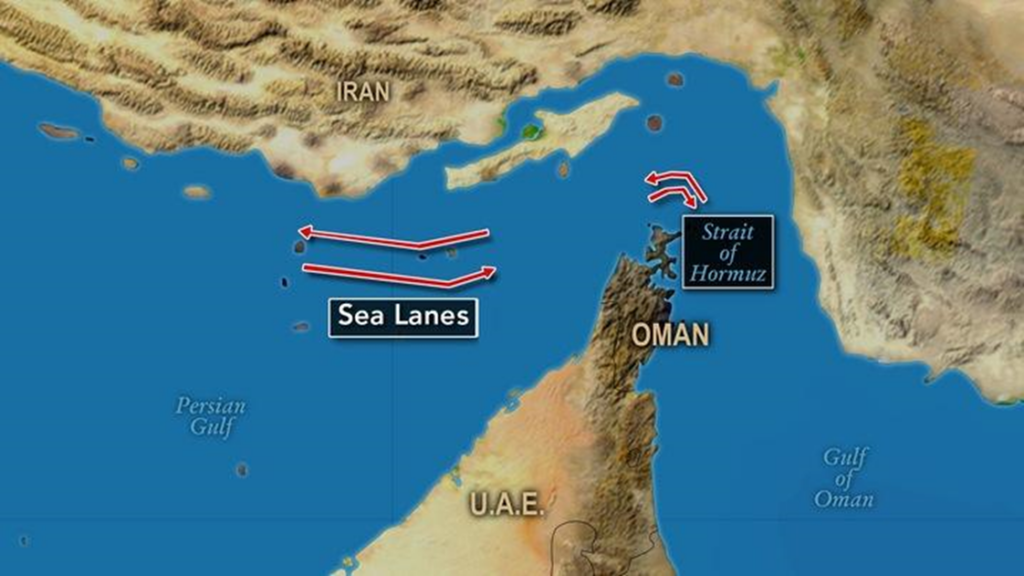
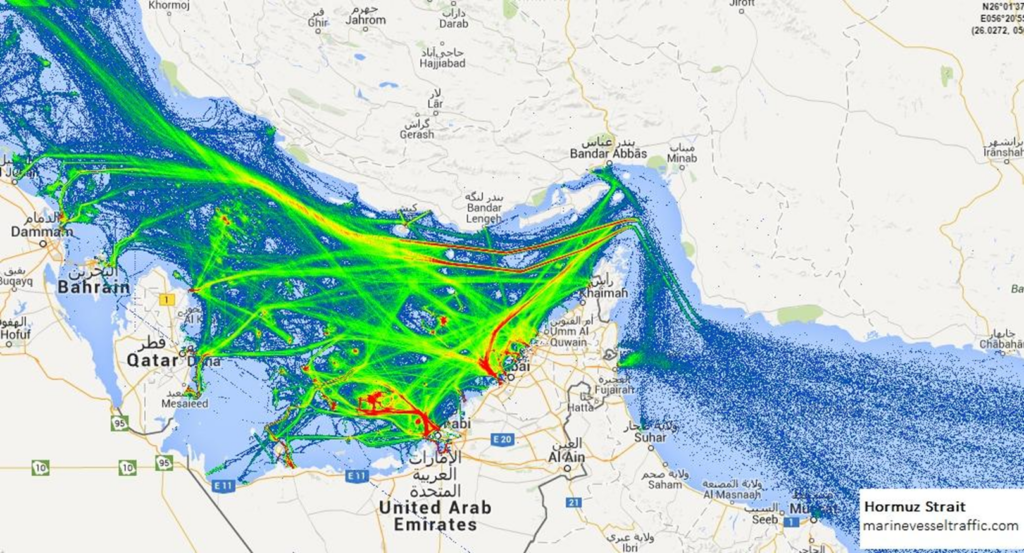
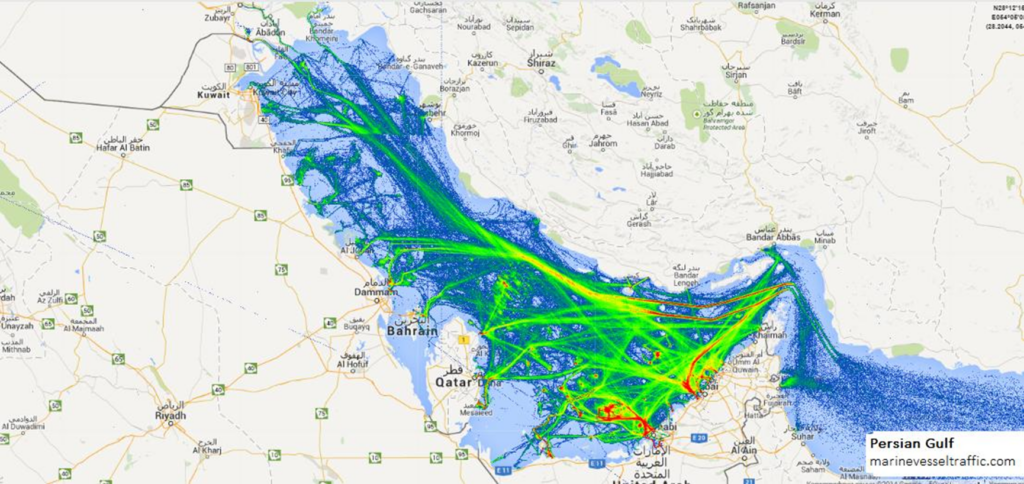
The Strait of Hormuz is not just a stretch of water it is the world’s most critical economic artery. Barely 167 kilometres long and just 39 kilometres wide at its narrowest point, this narrow corridor quietly carries the weight of the global economy.
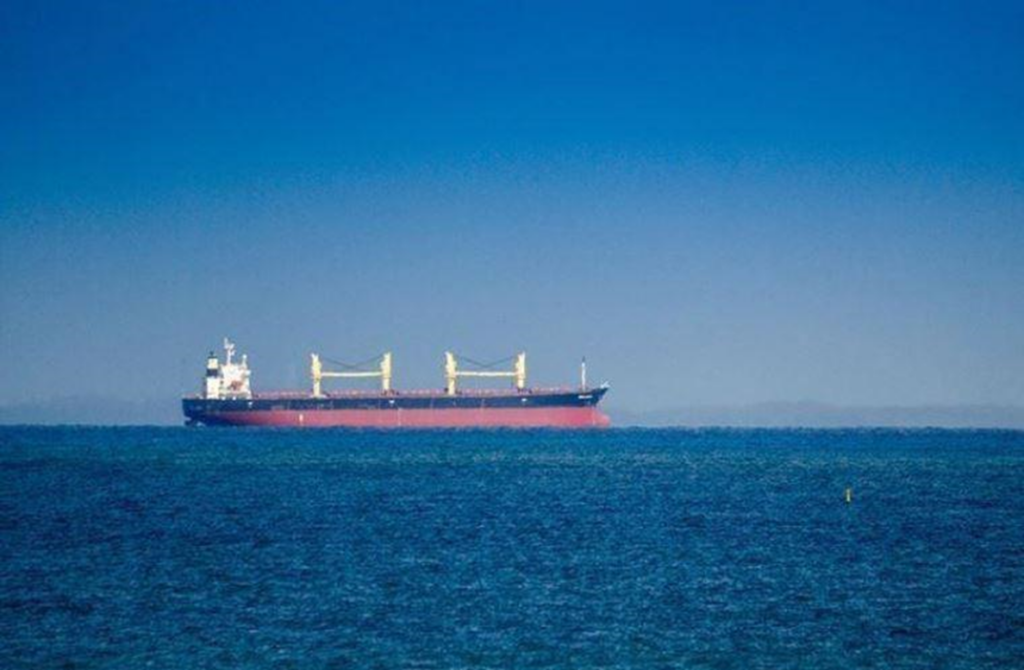
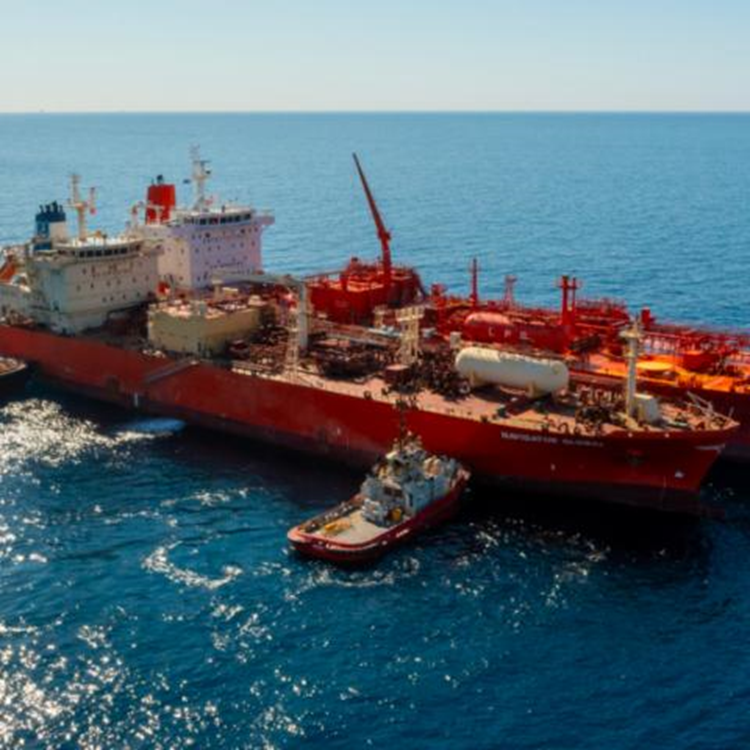
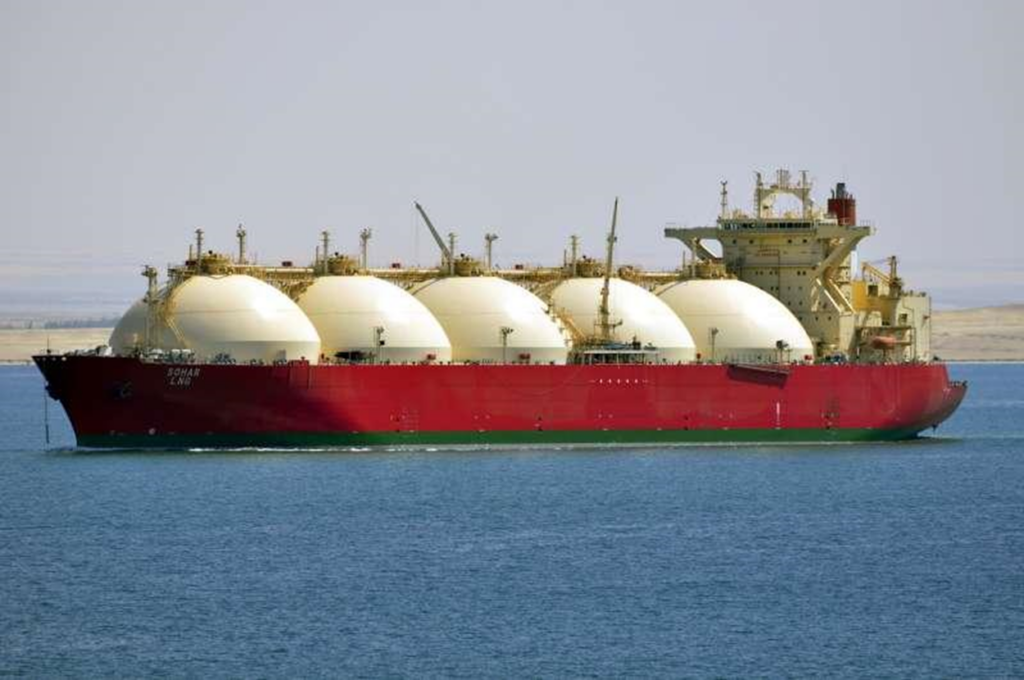
Each year, an estimated 30,000 vessels pass through it. But these are not ordinary shipments. Flowing through Hormuz is nearly a fifth of the world’s seaborne oil and liquefied natural gas alongside the invisible essentials of modern life: fertilisers that grow food, aluminum that builds cities, helium that cools semiconductors, and petrochemicals that sustain industries from medicine to manufacturing.
When Hormuz works, the world barely notices. When it fails, everything changes.
A WATERWAY SHAPED BY POWER
Hormuz has always been a prize worth fighting for. In 1622, Abbas I of Persia, with English naval support, seized control of the strait, marking the beginning of centuries of geopolitical struggle.
By the mid-20th century, the stakes had only grown. In 1951, Britain blockaded the strait to pressure Iranian Prime Minister Mohammad Mosaddegh after he nationalised Iran’s oil industry. The blockade lasted more than two years and contributed to the 1953 coup that reshaped Iran’s political future.
Decades later, during the Iran–Iraq War, Hormuz became a battlefield. Between 1984 and 1987, attacks on commercial shipping left more than 430 seafarers dead and 546 vessels damaged. Yet even under fire, oil continued to flow proof of the strait’s irreplaceable role.
THE INVISIBLE CARGO THAT FEEDS THE WORLD
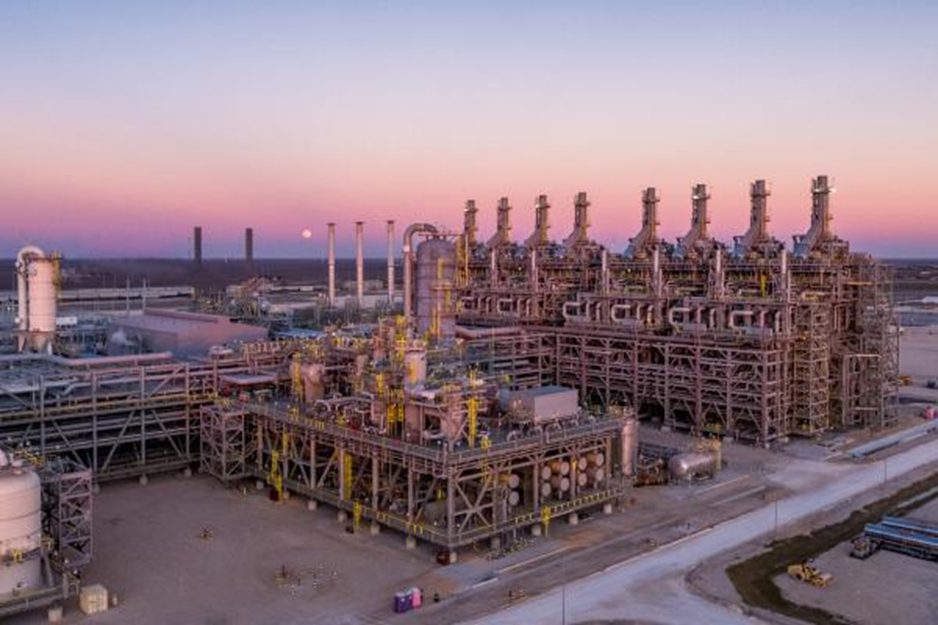
While oil dominates headlines, Hormuz carries something even more critical: the building blocks of global food security.
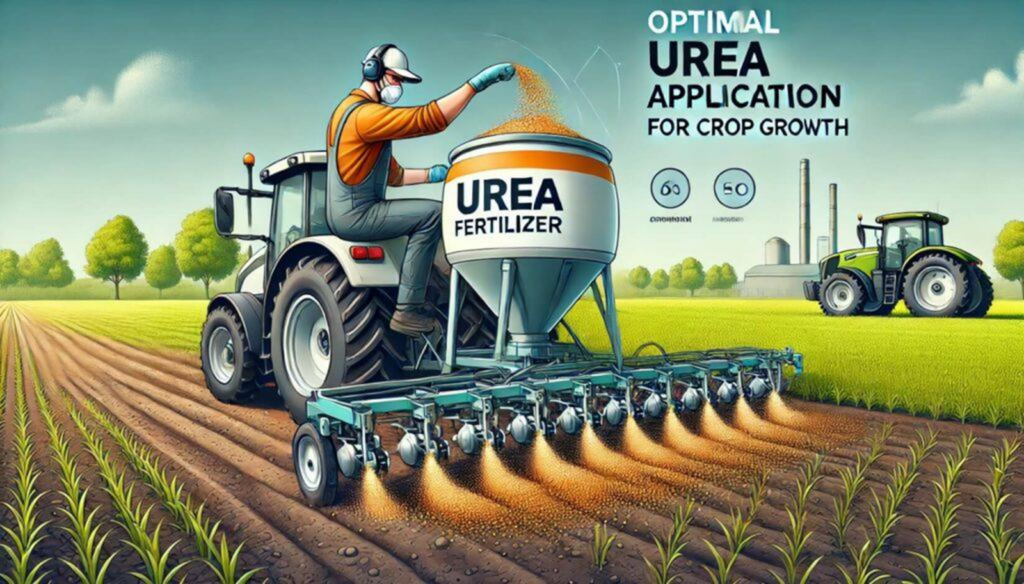
More than 30 percent of the world’s ammonia, nearly half of its urea, and 20 percent of diammonium phosphate pass through this narrow passage. These are not optional goods they are the backbone of modern agriculture.
Synthetic nitrogen fertilisers alone sustain nearly half of the global population.
If Hormuz closes, these supplies don’t just slow down they stop.
WHEN HORMUZ FAILS
A shutdown of the strait would trigger a chain reaction unlike any other.
Oil prices would surge immediately, sending shockwaves through global markets. Energy-dependent industries would stall. Manufacturing costs would rise. Inflation would accelerate worldwide.
But the deeper crisis would unfold more quietly in the fields.
Unlike oil, fertilizers cannot be easily rerouted. There are no pipelines for ammonia or urea. A disruption in March means missed planting windows in the Northern Hemisphere and by September, lower harvests.
The result: rising food prices, shrinking supply, and growing insecurity.
For the Gulf region itself, the danger is even more immediate. Countries like Saudi Arabia and Qatar import over 80 percent of their food. Wealth cannot compensate for blocked supply routes. When Hormuz closes, access not money becomes the defining factor of survival.
A SINGLE POINT OF FAILURE
For over 100 million people living around the Gulf, the Strait of Hormuz is not just a trade route it is a lifeline.
Its closure would expose a harsh reality: the modern world, for all its complexity, still depends on a single, narrow passage of water.
The global economy is diversified. Supply chains are vast. Technologies are advanced. Yet all of it can be disrupted by the failure of a 39-kilometre chokepoint.
THE WORLD ON EDGE
Hormuz has endured wars, blockades, and decades of geopolitical tension. Each time, it has held barely.
But the lesson is clear.
The world has now seen what happens when Hormuz falters: energy markets tremble, industries slow, and the foundation of global food systems begins to crack.
In an interconnected world, the fate of billions can hinge on a single stretch of water.
And if Hormuz fails completely, the consequences will not be regional.
They will be global.
Latest Stories
-
King warns malicious online actors are evolving tactics
4 minutes -
Several injured as Saudi capital airport reportedly hit again
6 minutes -
Christa Pike discharged from hospital and returned to prison, her lawyers say
9 minutes -
Ghana’s BRICS move requires clear strategy to manage risks – Godfred Bokpin
2 hours -
Pay teachers realistic income – Duncan Amoah to gov’t
2 hours -
Bechem to become chicken capital of Ghana – Mahama projects
2 hours -
Gov’t targets recruitment of 16,500 health professionals in 2026
3 hours -
Two-week strike will not derail academic calendar – GNAT President
3 hours -
Headmaster detained after BBC investigation into alleged sexual abuse of students
3 hours -
GNAT pushes for clear implementation procedures of teachers’ conditions of service
3 hours -
Recurrent strikes threaten quality of education and academic calendars – Prof Bokpin
3 hours -
‘Cockroach’ group leaders among hundreds detained in Delhi protest
3 hours -
Don’t let speed of information become your judgement – CJ tells new lawyers
4 hours -
World Cup visa scandal: People have leveraged public office to facilitate fraud – Senyo Hosi
4 hours -
Glut! Farmers count losses as prices crash, customers happy
5 hours