

Audio By Carbonatix
The World Health Organization (WHO) is calling on governments to adopt and tailor global targets for diabetes to enhance the monitoring and fortification of diabetes responses in national noncommunicable disease (NCD) programmes.
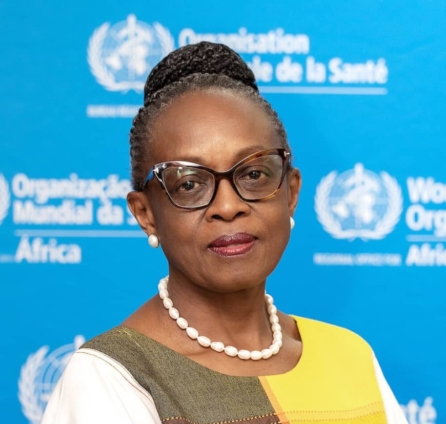
Dr. Matshidiso Moeti, the WHO Regional Director for Africa, emphasised the need for national authorities to bolster surveillance systems for monitoring diabetes and other NCDs at the population level. This, she believes, will enable more effective planning and management of diabetes.
Governments are urged to invest in diabetes prevention, ensuring the availability of essential oral anti-diabetes medicines, insulin, glucometers, and test strips for all communities.
Dr Moeti stressed the importance of training health workers in diabetes prevention and management at the district and community levels to enhance service availability.
"This should be backed by training health workers in diabetes prevention and management at the district and community level towards improving service availability,"Dr Moeti said.
Dr Moeti also called on individuals living with diabetes to adopt a healthy lifestyle and safeguard themselves by getting vaccinated against Covid-19. Despite the easing of the emergency phase of the pandemic, she highlighted the ongoing threat it poses to people with diabetes.
"Even though the emergency phase of the Covid-19 pandemic is over, the virus is still a threat to people living with diabetes."
World Diabetes Day on November 14 serves as a platform to raise awareness about the increasing burden of diabetes and ways to prevent and manage the disease. The overarching theme this year is "Access to diabetes care," with a particular focus on preventing type 2 diabetes by addressing known risk factors, some of which can be minimized through community education.
Dr Moeti identified being overweight, lack of regular exercise, and a diet high in sugars, salt, and fats as key risk factors, especially for those with a family history of diabetes.
Globally, diabetes ranks among the top 10 causes of death, and in the African region, 24 million adults live with diabetes, a number projected to increase to 55 million by 2045. Diabetes accounted for 416,000 deaths in Africa in 2021, and it is anticipated to be a leading cause of death in the region by 2030.
"Diabetes affects every part of the body, and if not correctly managed, people living with the disease can develop debilitating and life-threatening complications. This leads to an increased need for medical care, reduced quality of life, and premature death. This places a huge burden on affected individuals and their families."
Highlighting a concerning statistic, Dr Moeti revealed that 54% of people living with diabetes in Africa remain undiagnosed, emphasising the need for greater awareness and accessible diagnostic care in communities. Once diagnosed, regular care is crucial for monitoring the effects of diet and medication and detecting complications early.
"WHO technical packages and tools such as WHO Package of Essential Noncommunicable (PEN) disease interventions for Primary Health Care (WHOPEN), the PEN-PLUS Regional strategy for integrated outpatient care for severe chronic NCDS at first referral hospitals, the technical package for cardiovascular disease management in primary health care including diabetes (HEART-D) are available and provide excellent guidance to member states on diabetes secondary prevention and management."
Dr Moeti highlighted the availability of WHO technical packages and tools, such as the WHO Package of Essential Noncommunicable (PEN) Disease Interventions for Primary Health Care (WHOPEN) and the PEN-PLUS Regional Strategy for integrated outpatient care for severe chronic NCDS. These resources provide valuable guidance to member states on diabetes secondary prevention and management.
Dr Moeti underscored the importance of taking diabetes seriously, not only for individuals at risk but also for healthcare professionals and decision-makers.
She emphasised the significant role of prevention through adopting a healthy lifestyle, including a nutritious diet rich in fruits and vegetables, regular physical activity, and abstaining from tobacco and alcohol use, which can substantially reduce the risk of developing type 2 diabetes.
"Prevention by adopting a healthy lifestyle, combined with good nutrition rich in fruits and vegetables, being physically active, not using any tobacco products and alcohol, can massively reduce the risk of developing type 2 diabetes."
Latest Stories
-
President Mahama is not sincere with Ghanaians on LGBTQ bill matter – Hassan Tampuli
14 minutes -
Gov’t to establish Prison Industrial Hub to equip inmates with income-generating skills – Prison Service boss
32 minutes -
Alhassan Tampuli donates cement, roofing sheets to support storm victims in Gushegu
33 minutes -
Alhassan Tampuli appeals for urgent support for storm victims in Gushegu
36 minutes -
The hypocrisy must stop; pass Anti-LGBTQ+ Bill now – Alhassan Tampuli to Mahama
39 minutes -
Imprisonment should be rehabilitative, not punitive – Ghana Prisons boss at UNGA
1 hour -
Ga Adangbe traditional priests petition Mahama over McDan aviation licence revocation
1 hour -
Anti-LGBTQ Bill: NDC’s arrogance is worrying – Hassan Tampuli
1 hour -
Let’s give OSP time to mature, not to scrap it – Hassan Tampuli
1 hour -
Nigeria convicts 386 Islamist militants in mass trials
2 hours -
Djibouti president wins election with 97.8% of vote, state media says
2 hours -
We don’t have mandate to deduct tax from rent allowance of security services personnel – Interior Ministry clarifies
2 hours -
Ablakwa receives Presidential Special Envoy on Reparations to advance global agenda
2 hours -
Christina Koch becomes first woman to travel around the moon on Artemis II
2 hours -
Epstein survivors’ calls to meet King Charles and Queen harder to ignore as US visit approaches
2 hours