

Audio By Carbonatix
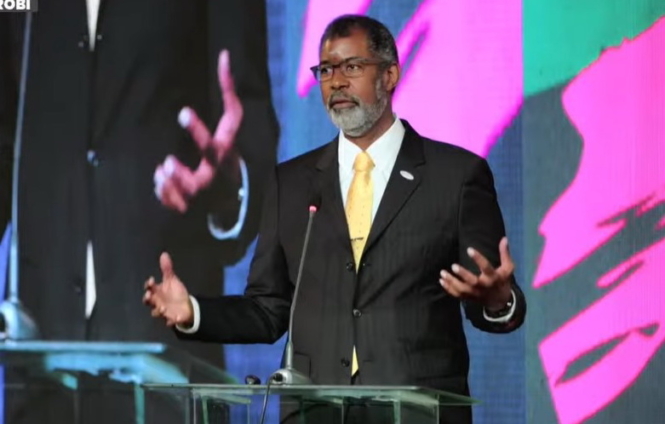
The Director-General of the Nuclear Energy Agency (NEA) of the of the Organisation for Economic Co-operation and Development (OECD), Mr. William D. Magwood, IV, has made an impassioned plea for Africa to fully embrace nuclear energy as a crucial component of its future development.
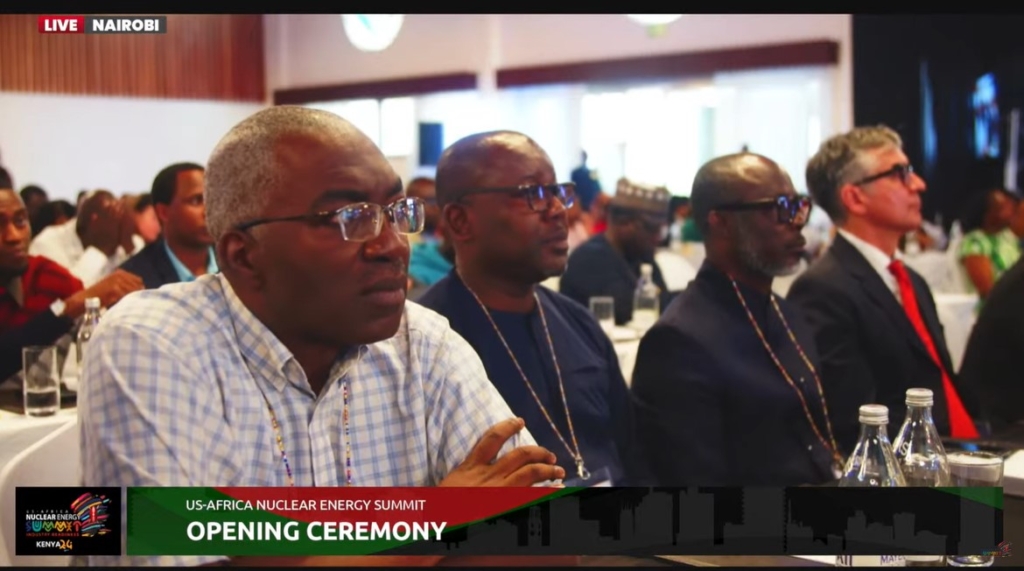
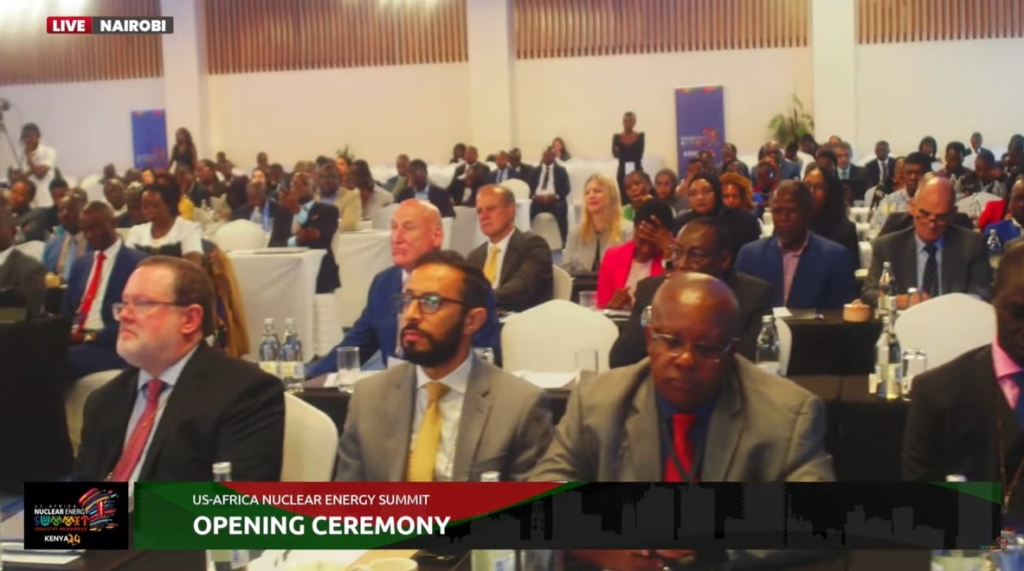
Speaking in Nairobi at the ongoing US-Africa Nuclear Energy Summit, Mr. Magwood highlighted the critical role of electricity and skilled people in shaping the future of economies, emphasising that Africa should not be left behind in the global nuclear revolution.
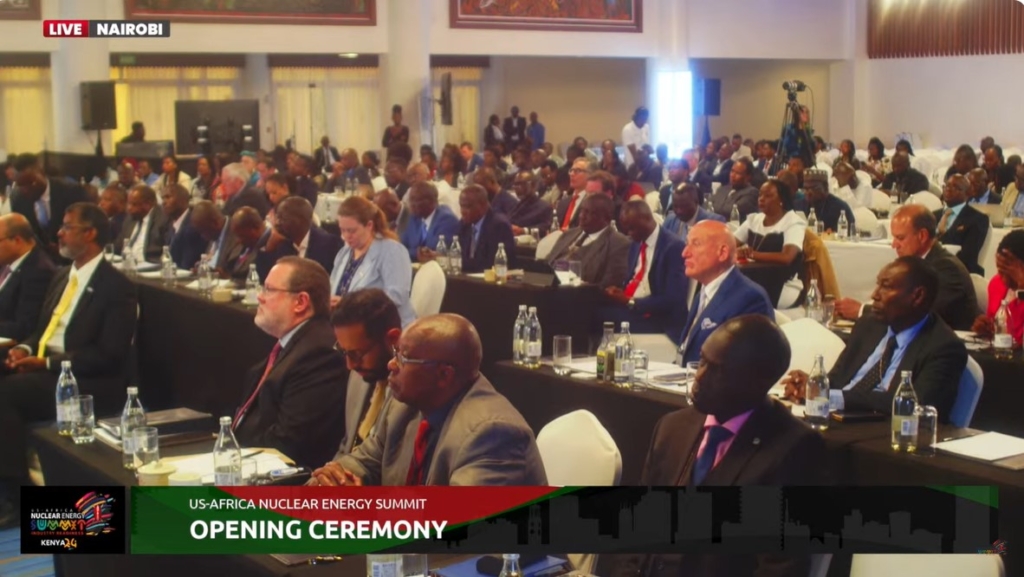
“The world has changed in a very, very substantial way,” Mr. Magwood said, emphasising that the future success or failure of economies, societies, and countries will depend on two key factors: people and electricity.
"If you don't have trained people, you will not be successful. If you don't have electricity, reliable, cost-effective electricity, your economies will not prosper," he counselled.
Mr. Magwood addressed the global climate crisis, acknowledging that many countries initially believed that simply increasing renewable energy sources would suffice.
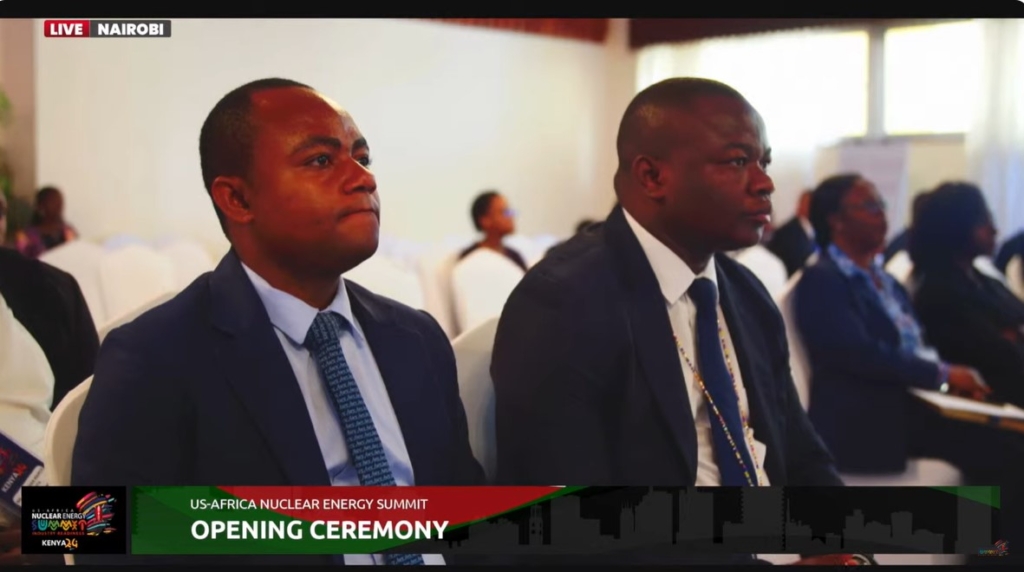
However, as nations struggled to meet their climate goals, it became clear that nuclear energy would be essential.
“That’s why at COP 28, we saw 25 leaders come together and declare a need to triple nuclear capacity,” he noted, adding that this global shift towards nuclear energy was not surprising to the NEA.
He also tackled the often negative perceptions surrounding Africa’s readiness for nuclear energy, and recounted a conversation with a Kenyan woman who expressed doubts about Africa’s ability to manage nuclear power, citing corruption and instability.
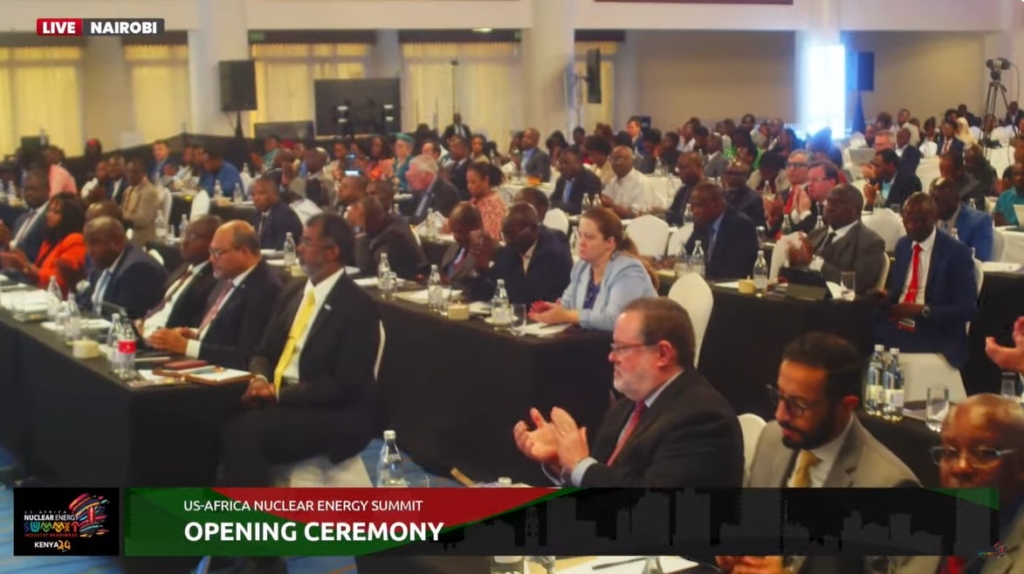
"These are the perceptions, both outside Africa and inside Africa," he said, acknowledging the real challenges while also pushing back against the notion that they are insurmountable.
Drawing on historical examples, Mr. Magwood reminded the audience that the United States and South Korea, now leaders in nuclear energy, once faced similar doubts and challenges.
He questioned whether everybody that ran nuclear power plants when the United States started pursuing nuclear power were experts, pointing out that “They were not."
Mr. Magwood also highlighted South Korea’s transformation from one of the poorest countries to a global leader in nuclear technology within just a few decades, saying "When people tell you that Africa is in these terrible positions, that may be true today, but it's not necessarily true for the future," he asserted.
In what he christened "Our Common Journey," Mr. Magwood announced plans by the NEA to build cooperative frameworks within Africa, focusing on key areas such as expertise and knowledge at the ministerial level, stakeholder engagement, gender equality, and human capacity building.
He also emphasised that the NEA's goal is to foster cooperation among African nations, drawing parallels with successful collaborations among NEA member countries.
"We are here. We are not going to leave," Mr. Magwood declared, underscoring the NEA's commitment to Africa's nuclear future.
He expressed optimism about Africa's potential, highlighting the continent’s human resources as a significant asset. "People are an asset. You have people; use that asset, and we can help you with that."
The US-Africa Nuclear Energy Summit in Kenya is the second and it follows the maiden edition held in Accra, Ghana, by the US Department of Energy (DOE) in collaboration with the Nuclear Power Institute (NPI) of the Ghana Atomic Energy Commission.
It groups policymakers, technical experts, and industry leaders from the US and Africa who will aim address the critical issues facing the region in adopting nuclear energy power.
Ghana has reached two major agreements, including a corporation and framework agreement between Nuclear Power Ghana (NPG) and the China National Nuclear Corporation Overseas Limited for the construction of a large reactor project and upgrading Ghana’s grid infrastructure to accommodate additional power generation.
An MoU has also been signed between the Ghana Atomic Energy Commission (GAEC) and the US to establish a regional welding certification programme in Accra, as part of Ghana’s nuclear power efforts.
Latest Stories
-
Assemblies of God requires pastors to resign before entering partisan politics – Rev. Wengam
3 minutes -
Ghana targets 20% annual reduction in maternal deaths – Health Minister
8 minutes -
Cyber attacks in Africa grow faster than global rate, report finds
10 minutes -
Ghana signs UAE deal to create 5,000 overseas jobs
17 minutes -
One Million Coders Programme targets 100,000 digital jobs in two years – Sam George
21 minutes -
John Jinapor, Italian Ambassador explore opportunities for energy sector investment
22 minutes -
NHIA seeks legal reforms to support Free Primary Healthcare
26 minutes -
Beatrice Annan defends Afi Agbenyo’s EC appointment, cites record of gender advocacy
29 minutes -
Ghana seeks investment deals in Bangkok amid global economic crises
33 minutes -
IMF raises Ghana’s 2026 growth forecast to 5.7%, sees inflation falling to 4.8%
35 minutes -
Ablakwa urges Africans not to view immigrants as threat to national progress
39 minutes -
Mahama Cares must fund treatment, not looting – Asogli chiefs
40 minutes -
Ghana’s economic salvation lies not in shifting geo-political allegiances – Dr Atuahene
43 minutes -
BoG proposes tougher rules on loan repayment assessment
48 minutes -
Government plans mandatory drug tests for public service jobs — Muntaka
53 minutes